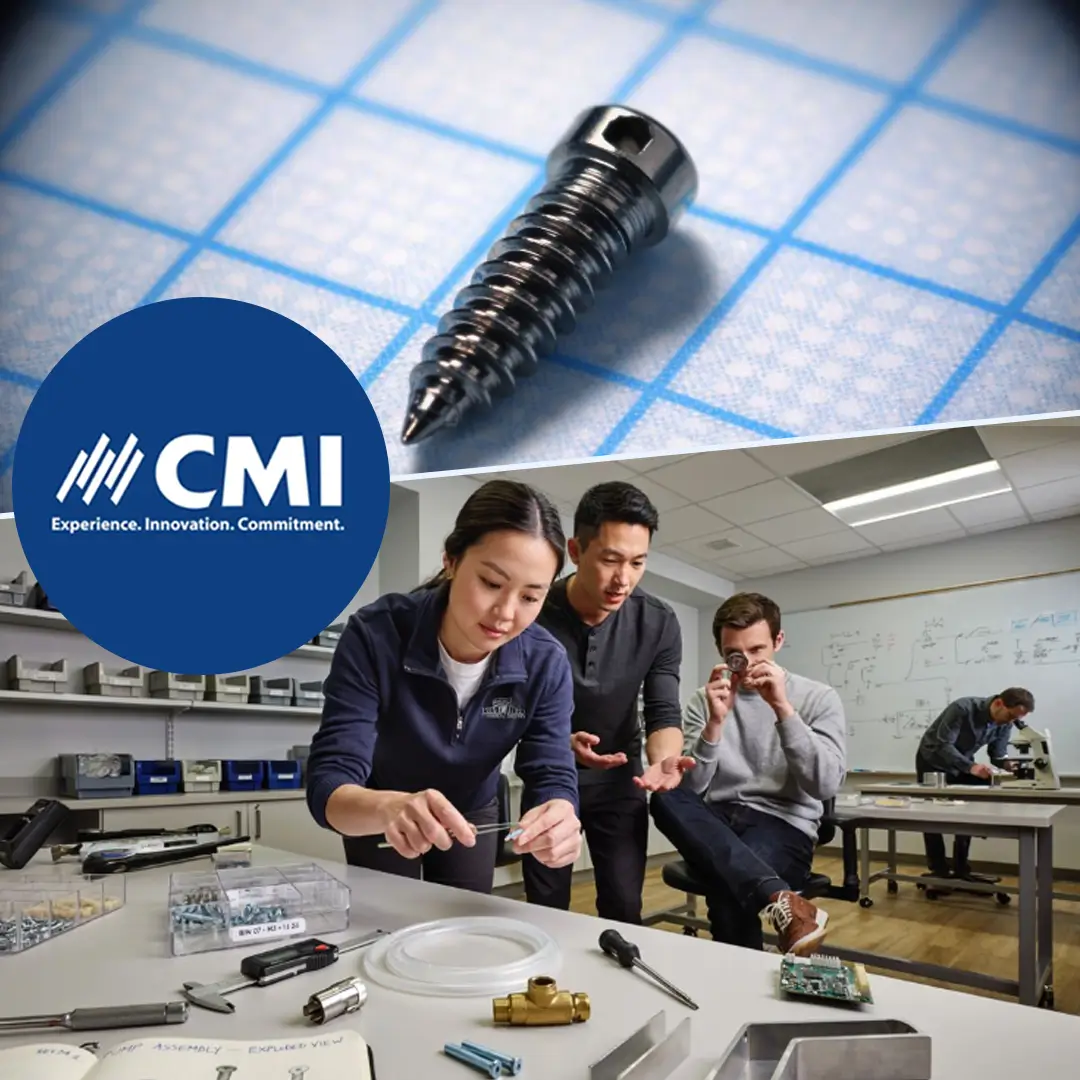
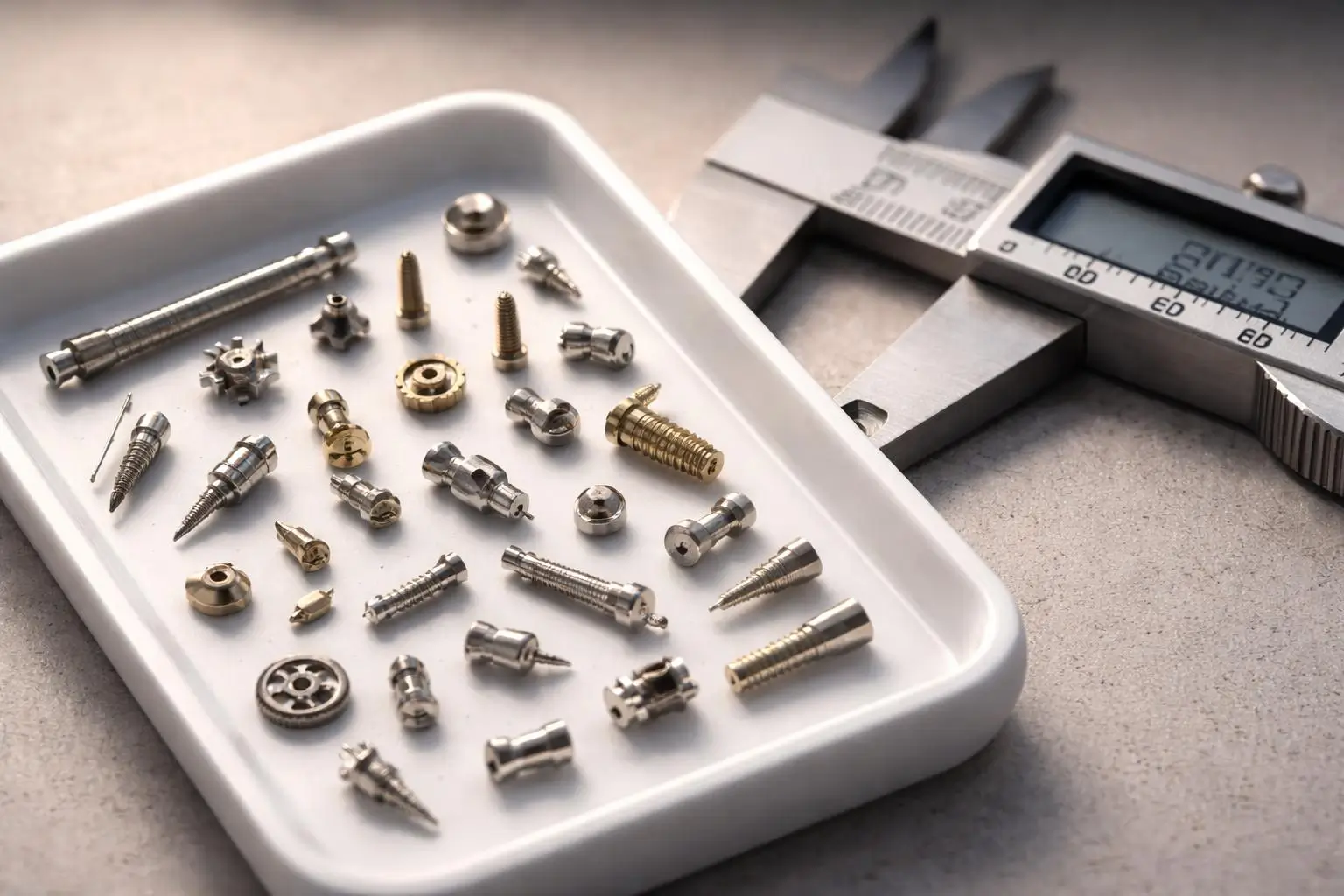
Small precision components often have the biggest impact on system reliability. In medical imaging equipment and energy infrastructure, precision-fabricated components help maintain accurate alignment, structural stability, and consistent performance under demanding operating conditions, supporting the long-term reliability expected of critical systems. Even slight variations in a medical component or energy system component can affect assembly fit, equipment accuracy, maintenance intervals, and overall reliability.
For Custom Materials Inc. (CMI), precision extends beyond producing individual parts. The company manufactures precision medical components, engineered plastics, composites, electrical insulation, and custom-fabricated assemblies that help customers in the medical industry and energy sector meet demanding performance, documentation, and quality requirements. By combining engineering expertise with rigorous quality control, CMI helps deliver high-quality precision components that perform consistently in critical applications.
Why Small Precision Components Matter for System Reliability
In complex systems, a small bracket, spacer, connector, support, or coil part can influence the performance of the entire assembly. If one piece is out of tolerance, the result can be a poor fit, reduced efficiency, premature wear, or unnecessary maintenance.
That is why precision medical components and energy-system components are designed and manufactured with tight tolerances from the start. In regulated industries, reliability depends on precise components that perform consistently throughout the product lifecycle while meeting customer specifications and applicable industry.
Precision Medical Components in Modern Medical Devices
Medical device manufacturers face increasing demand for precision as imaging systems, diagnostic machines, and surgical equipment become more sophisticated. High-precision medical components help these systems maintain dimensional accuracy, repeatability, and long-term reliability.
Custom Materials Inc. supports medical applications with components such as MRI gradient tubes, coil supports, and partitions, wedges, and spacers, MRI body coil components, connectors, receptacles, table gear racks, chain guides, pulleys, slides, and X-ray and CT covers. These medical device components are manufactured to exact specifications and designed to maintain performance through repeated operating cycles.
Why Medical Device Components Require Tight Tolerances
Material choice is also important in medical environments. Engineered plastics and composites can provide non-magnetic performance, low X-ray attenuation, and the strength-to-weight balance needed for imaging and patient handling equipment.
Precision Components for Reliable Energy Infrastructure
Energy systems also depend on small precision components to maintain electrical isolation, mechanical support, and long service life. Transmission and distribution equipment, power generation systems, and related infrastructure often operate under heat, vibration, electrical stress, and continuous duty cycles.
In these environments, even a small fabricated part can affect system reliability as much as a larger structural component. Custom Materials Inc. supports energy applications with custom-fabricated electrical components, insulation structures, supports, spacers, and other precision components that help maintain safe, reliable operation.
Precision matters here because even a minor variation can affect fit, alignment, or performance over time. That is why energy system components must be built with the same attention to detail as the larger assemblies they support.
How Precision Fabrication Improves Quality and Reliability
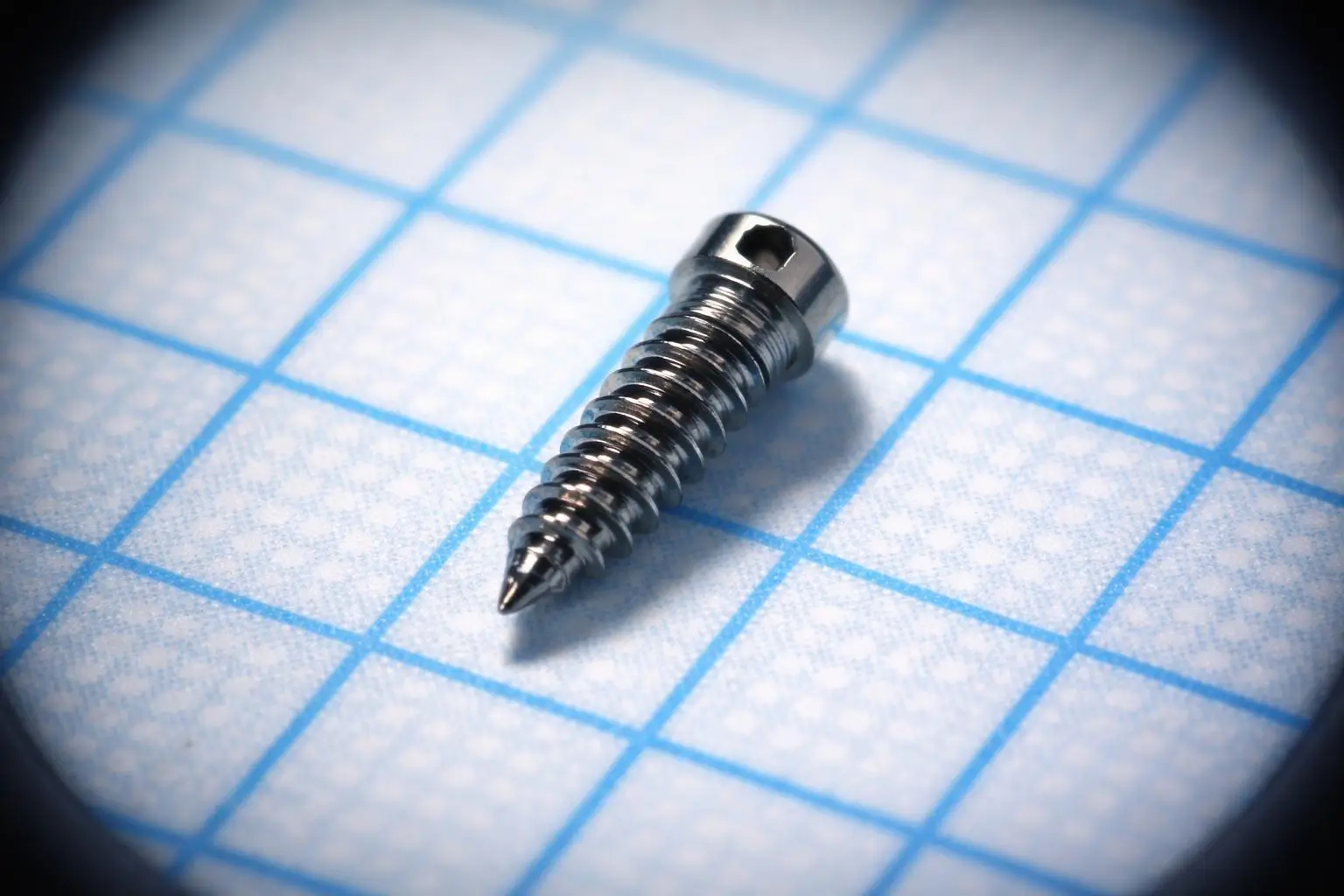
Precision fabrication helps ensure that small parts meet exact dimensional, material, and performance requirements. That leads to better assembly fit, greater repeatability, fewer production issues, and more reliable field performance.
For CMI, precision fabrication is also about choosing the right manufacturing method for the part. Custom fabrication, precision cutting, and assembly support the production of high-precision parts built for the application, not just the drawing.
This engineering-first approach is particularly valuable for manufacturers seeking a partner capable of balancing precision, production efficiency, quality assurance, and long-term reliability across demanding medical and energy applications.
Engineering Support, Traceability, and Quality Assurance
Small components do not get simpler just because they are small. In many cases, they require tighter tolerances, better documentation, and more controlled manufacturing than larger parts.
CMI’s experience supporting high-performance industries combines precision fabrication with material expertise, documentation control, and collaborative engineering support. Every project is tailored to customer specifications, helping ensure repeatable quality while supporting applicable regulatory standards and customer quality requirements.
Key Takeaways

Small precision components are essential to the reliability of medical devices, energy systems, and other high-performance equipment. They support accuracy, consistency, and durability in environments where every component contributes to overall system performance.
Custom Materials Inc. combines precision fabrication, engineered materials, quality control, and collaborative engineering support to manufacture high-quality precision components for medical equipment, energy infrastructure, transportation, and other demanding industries.
If your project requires precision-fabricated components manufactured to exact specifications, contact the Custom Materials Inc. engineering team to discuss custom solutions designed for reliability, repeatability, and long-term performance.
Frequently Asked Questions
What are precision medical components?
Precision medical components are custom-fabricated parts manufactured to exact specifications for use in medical devices, imaging equipment, and healthcare systems. These medical components are designed with tight dimensional control, material consistency, and repeatable performance to support applications such as MRI systems, CT equipment, X-ray systems, and patient-handling devices.
Why are tight tolerances important in medical device manufacturing?
Tight tolerances are important in medical device manufacturing because they ensure precision components fit correctly, operate reliably, and maintain consistent performance. Through precision machining and controlled manufacturing processes, manufacturers can produce parts that meet strict specifications for imaging equipment, surgical instruments, and other high-accuracy medical applications.
How do precision components improve reliability in energy systems?
Precision components improve reliability in energy systems by providing an accurate fit, stable performance, and dependable mechanical and electrical support. Custom-fabricated parts help energy equipment maintain alignment, insulation, and durability under demanding conditions such as heat, vibration, electrical stress, and continuous operation.
What should engineers look for in a manufacturing partner?
Engineers should choose a manufacturing partner with precision fabrication expertise, strong quality assurance processes, and proven traceability systems. A reliable supplier should support material documentation, manufacturing control, and consistent production quality to meet demanding specifications across medical, energy, and other high-performance industries.