
Batteries are essential for powering modern devices, electric vehicles, and renewable energy systems. Solid-state batteries represent a significant advancement by replacing the liquid electrolyte in traditional lithium-ion batteries with a solid material. This change enhances safety by eliminating flammable liquids, increases energy storage capacity, and can extend battery lifespan. These improvements address key limitations of current battery technology, making solid-state batteries a promising solution for the future of energy storage.

Many researchers and companies are increasingly focused on solid-state batteries as the next breakthrough in energy storage. As the world demands safer, more efficient ways to power electronics and electric vehicles, solid-state technology offers promising solutions to meet these future energy needs. This innovation relies heavily on breakthroughs in advanced materials for energy storage, including ceramics, polymers, and nanomaterials that enhance battery stability, conductivity, and overall performance. These cutting-edge materials not only improve energy density and safety but also address environmental challenges associated with traditional batteries. Such progress reflects a broader shift toward more sustainable and efficient energy storage systems, signaling a transformative change in how energy is stored and utilized globally.
Key Takeaways
- Solid-state batteries use solid electrolytes, not liquid ones.
- They can be safer and may last longer than current batteries.
- The technology is essential for future energy storage and clean energy.
What Are Solid-State Batteries?a

Solid-state batteries are a type of energy storage that utilizes solid materials to transport ions within the cell, rather than relying on liquids. This change makes them stand out as a potential step forward in efficient battery technology.
Key Characteristics
Solid-state batteries utilize a solid electrolyte, replacing the liquid electrolyte typically used in most batteries. This solid layer is often made from ceramic, glass, or some polymers. Because of this, solid-state batteries can be safer, as there is a lower risk of leakage, fires, or chemical spills.
These batteries can also store more energy in a smaller size. That means they can last longer on a single charge and hold more power for use in devices like phones or electric cars. Solid electrolytes allow ions to move through the battery with less resistance. This gives them the potential for faster charging and better performance in cold weather.
Below is a simple overview of their main components:
| Component | Material Type | Function |
| Cathode | Solid | Stores lithium ions |
| Anode | Solid or Li-metal | Releases lithium ions |
| Electrolyte | Solid (ceramic, etc) | Moves ions between sides |
Difference From Conventional Lithium-Ion Batteries
Conventional lithium-ion batteries use a liquid electrolyte between the positive and negative sides. This liquid can catch fire or leak if the battery is damaged. In contrast, solid-state batteries swap this liquid for a solid material.
Using a solid electrolyte makes these batteries less likely to overheat or fail. They can use lithium metal, which can further enhance energy storage. Regular lithium-ion batteries are limited in the amount of energy they can store due to safety concerns associated with their liquid components.
Solid-state batteries are less prone to swelling and degradation over repeated charging cycles. Their stable structure leads to longer lifespans and fewer failures during use. Electric vehicles and portable electronics benefit the most because greater safety and higher capacity are both critical.
Current Status in Battery Technology
Solid-state batteries are still being studied and improved in many labs. Some test products have already demonstrated benefits, including faster charging and enhanced stability. Makers are working to scale up these batteries and solve problems with cost and manufacturing.
Despite recent progress in solid-state batteries, challenges remain in facilitating rapid ion movement across thick materials. Companies are also attempting to develop larger batteries that work effectively for cars and gadgets. If these issues are solved, solid-state and solid electrolyte batteries will likely become essential for next-generation energy storage.
Researchers and companies are focused on making these batteries reliable and less expensive. Once the technology is improved, solid-state batteries could replace or work alongside lithium-ion batteries in the future.
How Solid-State Batteries Work
Solid-state batteries utilize solid materials to transport ions, as opposed to the liquid found in many traditional batteries. This change makes these batteries safer and can improve their performance to meet modern needs.
Design and Functionality
Solid-state batteries consist of three main components: the anode, the cathode, and the solid electrolyte. The solid electrolyte is situated between the anode and the cathode. When the battery is used, charged particles called ions move through the solid layer from one side to the other.
This movement creates the flow of electricity. The solid electrolyte prevents leaks and can reduce the risk of fire, making solid-state batteries a safer energy storage option. Because there’s no liquid, the parts can be packed closer together. This can mean more power in a smaller space.
Charging and discharging work in much the same way as other batteries. However, the solid material often allows for a longer lifespan and more charging cycles before the battery starts to lose its strength.
Role of Solid Electrolytes
The solid electrolyte serves as both a separator and a pathway for ions to travel. This part can be made out of ceramics, polymers, or glass. Ceramics can handle high temperatures and often allow ions to move very quickly. Polymers are softer and more flexible, allowing them to fit into new shapes and designs. Glass electrolytes are also being tested for even greater stability.
The solid electrolyte’s main job is to keep the anode and cathode from touching while letting ions move. This helps the battery avoid short circuits and can make it last longer. Several new materials and advanced materials for energy storage are being tested to improve safety and performance.
Solid electrolytes make batteries more stable. They help prevent problems associated with older batteries, such as leaks and overheating. This is especially important in bigger batteries used for cars and safe energy storage solutions at home.
Materials Used
A variety of materials are utilized in solid-state batteries. For the anode, lithium metal is often used because it stores a lot of energy. The cathode is usually made from lithium compounds, such as lithium iron phosphate or lithium cobalt oxide.a

For the solid electrolyte, different types bring unique benefits. Ceramic electrolytes, such as lithium garnet, are strong and good conductors of ions. Polymer electrolytes can be made thin and flexible, which enables the creation of batteries in various shapes. Some types of glass are being examined to determine if they facilitate the movement of ions even more freely.
The choice of material affects how much energy the battery can store, how often it can be charged, and its overall lifespan. New research is focused on developing even safer and longer-lasting combinations for future solid electrolyte batteries.
Advantages and Challenges of Solid-State Batteries
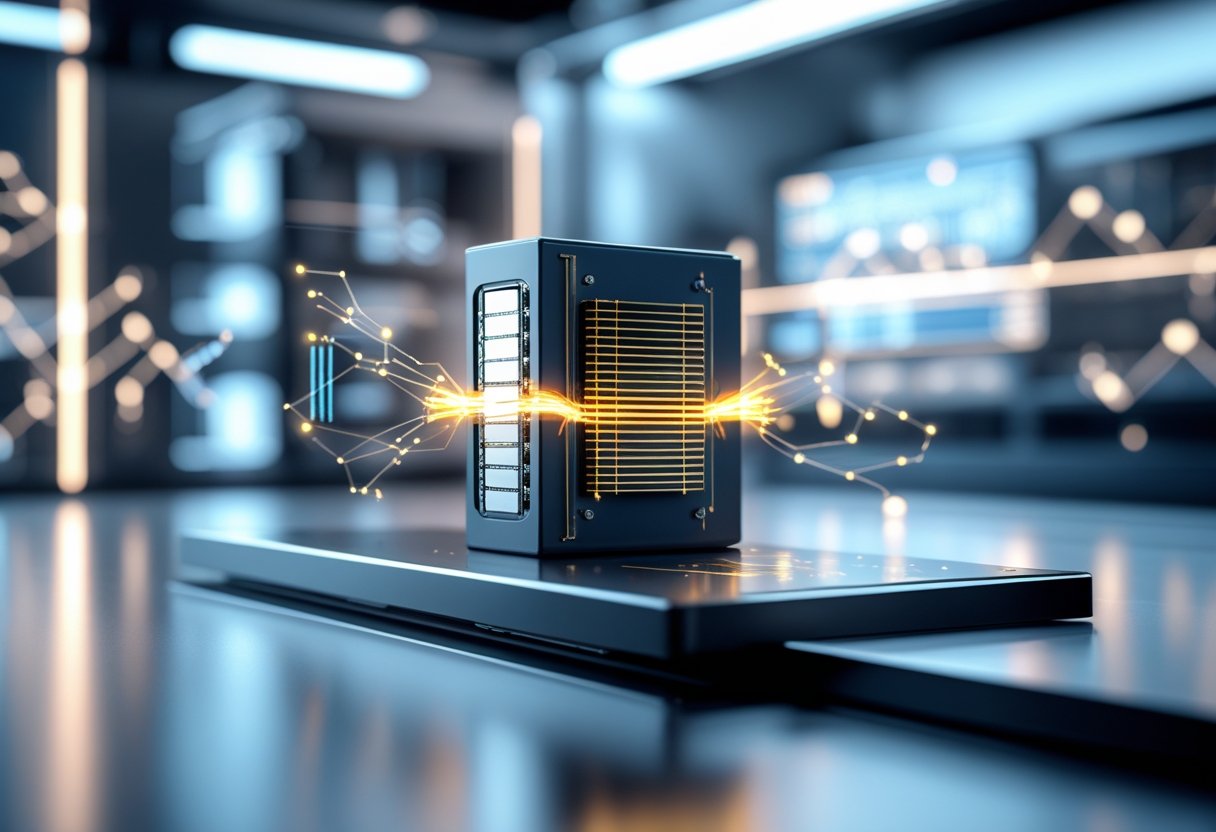
Solid-state batteries offer key improvements in safety, energy storage, and reliability compared to traditional lithium-ion batteries. However, they also come with significant production and cost barriers that hinder the adoption of efficient battery technology.
Enhanced Safety
Solid-state batteries utilize solid electrolytes instead of liquid ones. Traditional liquid electrolytes are flammable and can leak or catch fire, especially if damaged. Solid electrolytes do not burn and help prevent dangerous thermal runaway events.
This makes solid-state batteries appealing as safe energy storage solutions. The risk of fire or explosion is much lower, which is especially important for electric vehicles and large-scale grid storage. The safety advantage supports their use in environments where high reliability and protection are required.
Performance and Energy Density
Many next-generation battery tech designs rely on the benefits of solid-state batteries. These batteries can store more energy in the same space, resulting in higher energy density. This enables devices and vehicles to operate for more extended periods between charges.
Solid-state batteries can also use lighter and more energy-dense materials, such as lithium metal anodes. This increases both performance and efficiency compared to traditional batteries. A longer lifespan and higher charge cycles mean they can last for many years without losing capacity, thereby reducing the need for replacement over time.
Manufacturing Complexities
Although solid-state batteries promise safer and more efficient battery technology, manufacturing them at scale poses several problems. Dealing with the interface between the solid electrolyte and battery electrodes is one major issue. Poor contact at this interface can lower performance and shorten battery life.
Production needs precise control over materials, pressure, and temperature. High standards are necessary to avoid defects. Large-scale manufacturing equipment is still evolving and is more complex than that used for regular lithium-ion cells.
Cost Implications
The materials used in solid-state batteries tend to be more expensive than those in traditional batteries. This includes advanced electrolytes and high-purity components. These raise the cost of each cell.
Building new factories and equipment for production adds additional expense. Currently, these costs render solid-state solutions less competitive with conventional lithium-ion batteries. As the technology matures, the hope is that new processes will bring prices down.
Balancing safety, efficiency, and price is key to the growth of safe energy storage solutions. If solid-state batteries become more affordable, their advantages could have a significant impact on energy storage and electric vehicles. For more about the challenges and possible solutions, read about the issues facing solid-state battery development.
Sustainability and Recycling
Solid-state batteries promise higher energy density, improved safety, and longer lifespan than conventional lithium-ion batteries. Their sustainability also depends on recycling methods that can recover materials and lower waste.
Sustainable Battery Recycling
Efficient recycling of solid-state batteries is essential for sustainability. New techniques allow the recovery of precious metals like lithium, cobalt, and nickel from used batteries. Instead of sending old cells to landfills, advanced processes separate the solid electrolyte and electrode parts for reuse.
For example, mechanical and hydrometallurgical methods break down batteries without producing toxic fumes or large amounts of waste. Companies and researchers have developed recycling methods to regenerate solid-state battery materials directly. This keeps more resources in use and reduces the need for mining.
Reducing Environmental Impact
Solid-state battery recycling helps mitigate the environmental impact associated with battery disposal. Battery factories consume a significant amount of energy and raw materials, so recycling used cells results in reduced energy usage, lower material consumption, and fewer greenhouse gas emissions.
Recovering and using battery materials again lowers pressure on resources. Compared to older recycling methods, sustainable recycling uses less energy and avoids the use of harsh chemicals. This leads to a smaller carbon footprint. Next-generation recycling plants use processes that are safer for workers and neighborhoods. Companies working with solid-state batteries aim to meet strict environmental standards while keeping costs low.
Circular Economy Initiatives
A circular economy model for batteries maximizes the use of valuable materials for as long as possible. Solid-state batteries lend themselves to this approach because their structure often facilitates easier material separation and regeneration. Recycling directly into new battery components saves money and reduces waste.
Some businesses now design batteries to make recycling easier from the start. This design approach means less energy is used to recover valuable materials, and more batteries are recycled successfully. Closed-loop systems aim to recycle old batteries into new ones, reducing raw material imports and promoting local job creation.
Applications and Future Prospects
Solid-state batteries are seen as a key solution for safer, more efficient battery technology across several industries. They offer higher energy density, lower fire risk, and faster charging compared to traditional lithium-ion batteries.
Electric Vehicles
Car makers are investing in solid-state battery research due to the potential for higher driving ranges and improved safety. Solid-state cells utilize solid electrolytes instead of liquids, thereby reducing the risks of fires and leakage. This makes vehicles safer and more reliable in the event of a crash.
Automakers such as Toyota, Volkswagen, and Ford are developing prototypes for electric cars using next-generation battery tech. According to market reviews, these batteries could enable faster charging and deliver up to double the range of today’s electric cars. Experts forecast the first commercial vehicles with solid-state batteries may reach the market between 2027 and 2030. However, technical issues such as cost, scale-up, and long cycle life must be addressed for widespread use.
Consumer Electronics
Smartphones, laptops, and wearables can benefit from solid-state batteries. Compact devices need batteries that last longer and charge quickly. Solid-state designs offer higher energy storage for the same size, allowing users to see longer usage between charges.
Manufacturers are testing these batteries in small devices, especially where safety and energy density are crucial. Since solid-state batteries are less likely to swell or catch fire, they could make devices safer over time. Progress is ongoing, but most experts expect widespread adoption in high-end electronics before it appears in low-cost, mass-market devices.
Energy Storage Systems
Solid-state batteries have advantages for renewable energy storage. They enable more cycles over a battery’s life, which is essential for storing solar or wind power where fluctuations are common.
Grid-scale storage centers can benefit from non-flammable, long-lasting cells that need less maintenance. This can help balance energy supply and demand, making the power grid more stable and supporting the growth of clean energy.
Key Features Table:
| Application | Main Benefit | Anticipated Timeline |
| Electric Vehicles | Higher safety, range | 2027-2030 |
| Consumer Electronics | Better lifespan | Before 2030 |
| Energy Storage Systems | Stable, long cycle | Ongoing, 2030+ |
Frequently Asked Questions
Solid-state batteries utilize solid electrolytes, which can enhance safety and potentially increase the energy storage capacity. These batteries use different materials and could help make electric vehicles safer and more reliable.
How do solid-state batteries improve safety compared to lithium-ion batteries?
Solid-state batteries use a solid electrolyte instead of a liquid one. This reduces the risk of leakage and fire because solid materials are less flammable than the liquids found in standard lithium-ion batteries.
Solid electrolytes also prevent short circuits caused by dendrite growth more effectively, thereby reducing the likelihood of dangerous failures.
What are the potential advantages of solid-state batteries for electric vehicles?
Solid-state batteries can enable electric vehicles to travel farther due to their higher energy density. They may also allow for shorter charging times.
These batteries are more stable across a range of temperatures, which can support safer and longer-lasting electric cars. Many hope this technology will lead to lighter vehicles with improved range and lifespan.
How do the energy densities of solid-state batteries compare to conventional lithium-ion batteries?
Solid-state batteries can reach higher energy densities than typical lithium-ion batteries. Their design allows them to store more energy in the same space. This means devices or vehicles can run longer on a single charge when using these batteries.
Improvements in energy capacity are a primary reason for growing interest in solid-state technology.
What materials are used in the construction of solid-state batteries?
Solid-state batteries use materials such as ceramic, glass, or polymers for the electrolyte. This differs from the liquid electrolytes used in conventional batteries.
The electrodes can be lithium metal or other advanced materials. Each choice of electrolyte and electrode affects battery performance and stability.
Can solid-state batteries be commercially produced at scale, and if so, what companies are leading this development?
Large-scale production of solid-state batteries faces significant hurdles, particularly in terms of cost and manufacturing methods. However, several companies are investing in solutions to bring this technology to the market.
Groups such as Toyota and QuantumScape have made significant progress in developing solid-state batteries, moving them closer to commercial use.
What advancements have been made in the lifecycle and charging speeds of solid-state batteries?
Recent studies have reported improvements in both lifecycle and charging rates. Solid-state batteries tend to degrade more slowly than conventional ones, which means they can last through more charge cycles.
Researchers are working to achieve faster charging while maintaining safety and performance. However, improvements are still needed before these batteries can be used in everyday applications.