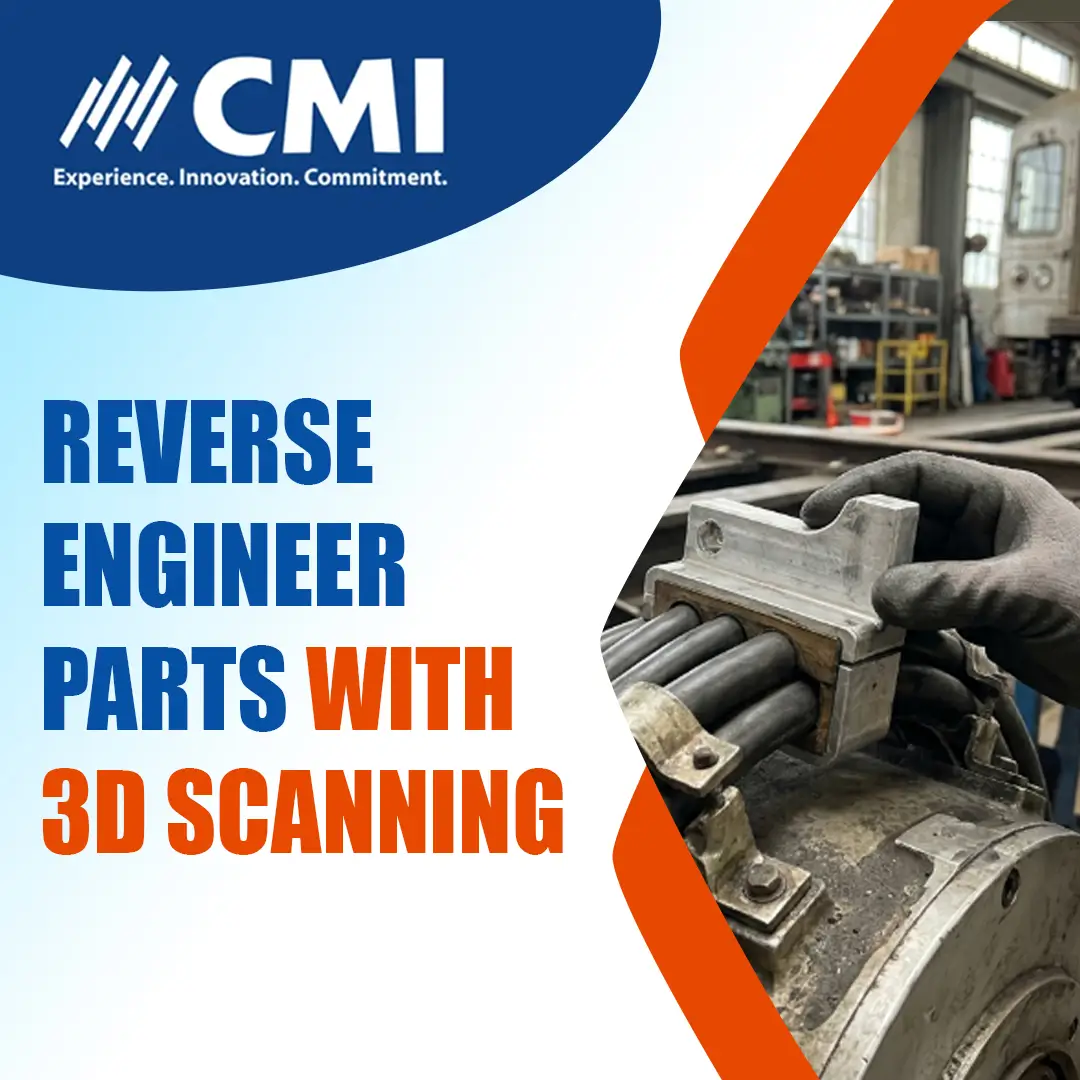
Many critical components become difficult to source over time. Original drawings may no longer exist, suppliers may discontinue a part, or the original material may become obsolete.
Reverse engineering in manufacturing gives engineering teams a practical way to recreate, improve, or replace hard-to-source components. The process of reverse engineering can combine 3D scanning, 3D CAD modeling, material expertise, prototype fabrication, and custom fabrication to help turn an existing part into a manufacturable replacement. Custom Materials Inc. supports these projects through its reverse engineering capabilities, 3D scanning, solid modeling, and custom component manufacturing services.
The goal is not simply to copy an existing part. It is to preserve the design intent while producing a replacement component that fits correctly, performs as required, and can be manufactured consistently. These engineering solutions can help teams address discontinued components, maintain equipment, and reduce costs associated with sourcing or redesigning hard-to-find parts.
Key Takeaways
- Reverse engineering fabrication helps recreate, improve, or replace components when original documentation or suppliers are unavailable.
- 3D scanning captures dimensional data from an existing component and supports the creation of a 3D model and CAD files for replacement parts.
- A successful custom component replacement requires material review, fabrication planning, prototype validation, and production support.
- Custom Materials Inc. supports this process with reverse engineering, 3D scanning, solid modeling, engineered plastics, composites, electrical insulation, metal fabrication, and assembly capabilities.
What Is Reverse Engineering in Component Manufacturing?
Reverse engineering fabrication is the process of evaluating an existing physical component to determine its geometry, material requirements, and fabrication approach. It is commonly used when original drawings, CAD files, or supplier documentation are unavailable.
Reverse engineering can support projects involving components that are:
- Obsolete or discontinued
- Difficult to source
- No longer supported by the original supplier
- Damaged, worn, or missing documentation
- In need of redesign or improvement
Custom Materials Inc. uses reverse engineering when drawings are no longer available and can 3D scan and CAD model replacement components. The company can also assist in identifying alternate materials when original materials are obsolete or difficult to identify.
How 3D Scanning Supports Reverse Engineering
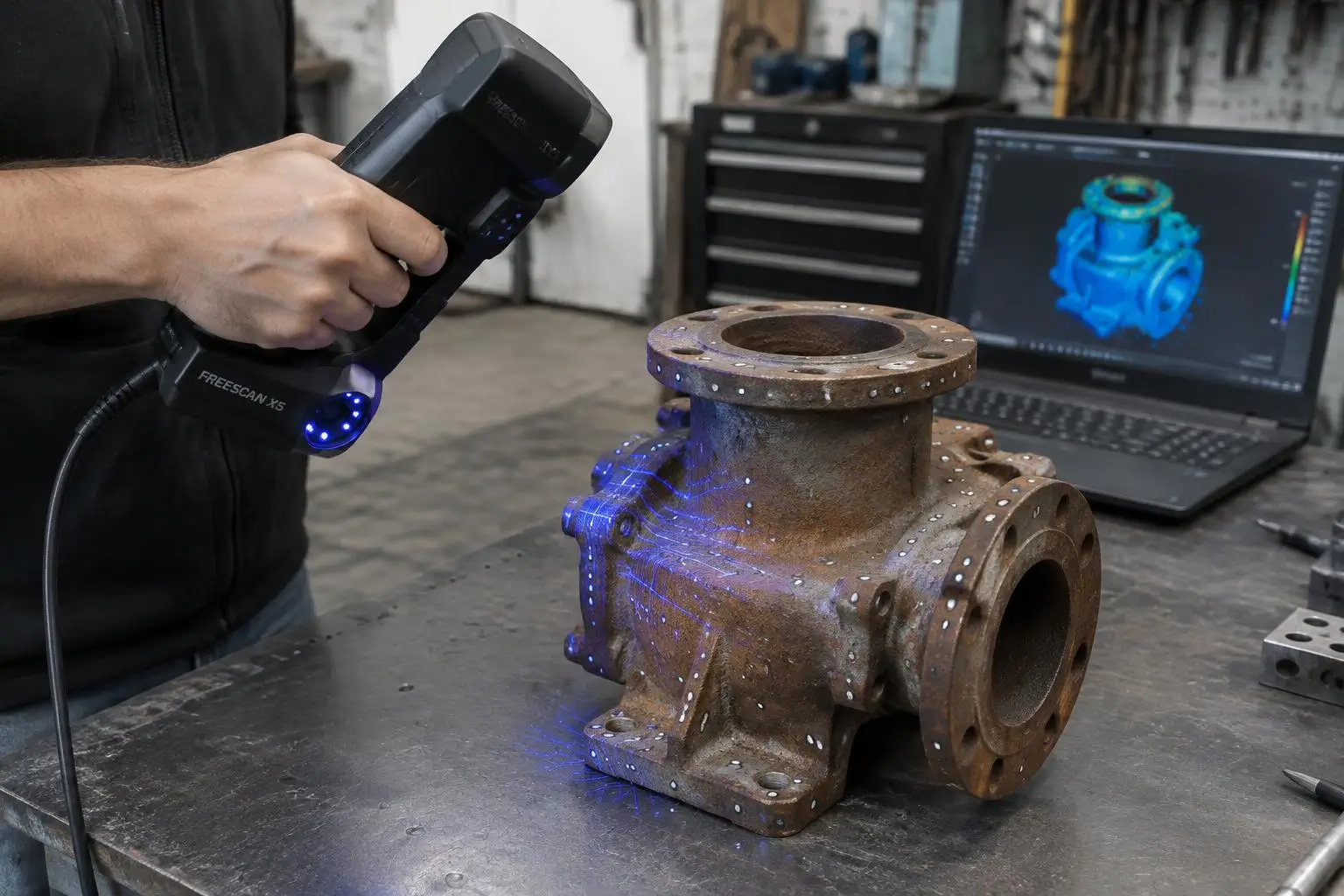
3D scanning in manufacturing captures dimensional data from an existing physical part. That data can be used to create or refine a CAD model, document critical features, and plan the fabrication process.
A typical reverse engineering workflow includes:
- Evaluating the existing component
- Scanning the part to capture its geometry
- Creating or refining a solid model
- Reviewing dimensions, tolerances, and material requirements
- Producing a prototype or replacement component
3D scanning is especially useful for components with complex shapes, irregular surfaces, worn features, or limited documentation. Custom Materials Inc. lists reverse engineering, 3D scanning, and solid modeling among its process capabilities.
When Should a Part Be Reverse Engineered?
Reverse engineering is useful when a team needs to recreate, replace, or improve a component but cannot rely on complete original documentation.
Common situations include:
- The original manufacturer no longer supplies the part
- The component is obsolete or discontinued
- Drawings, CAD files, or specifications are missing
- A part has failed, and no direct replacement is available
- The original material is obsolete or difficult to identify
- A component needs to be modified for improved fit, performance, or manufacturability
In these situations, reverse engineering can reduce downtime and provide a path from an existing component to a production-ready replacement.
From Scan to CAD Model to Replacement Component
A successful custom component replacement requires more than capturing the shape of the original part. It requires engineering review, material selection, fabrication planning, and validation.
Evaluate the Existing Component
The process begins with a review of the existing part, its application, and any available documentation. Engineers may examine the component’s geometry, critical dimensions, wear, assembly requirements, material condition, and mating parts.
This review helps determine which features must be preserved and which areas may require engineering interpretation.
3D Scan and Solid Model the Component
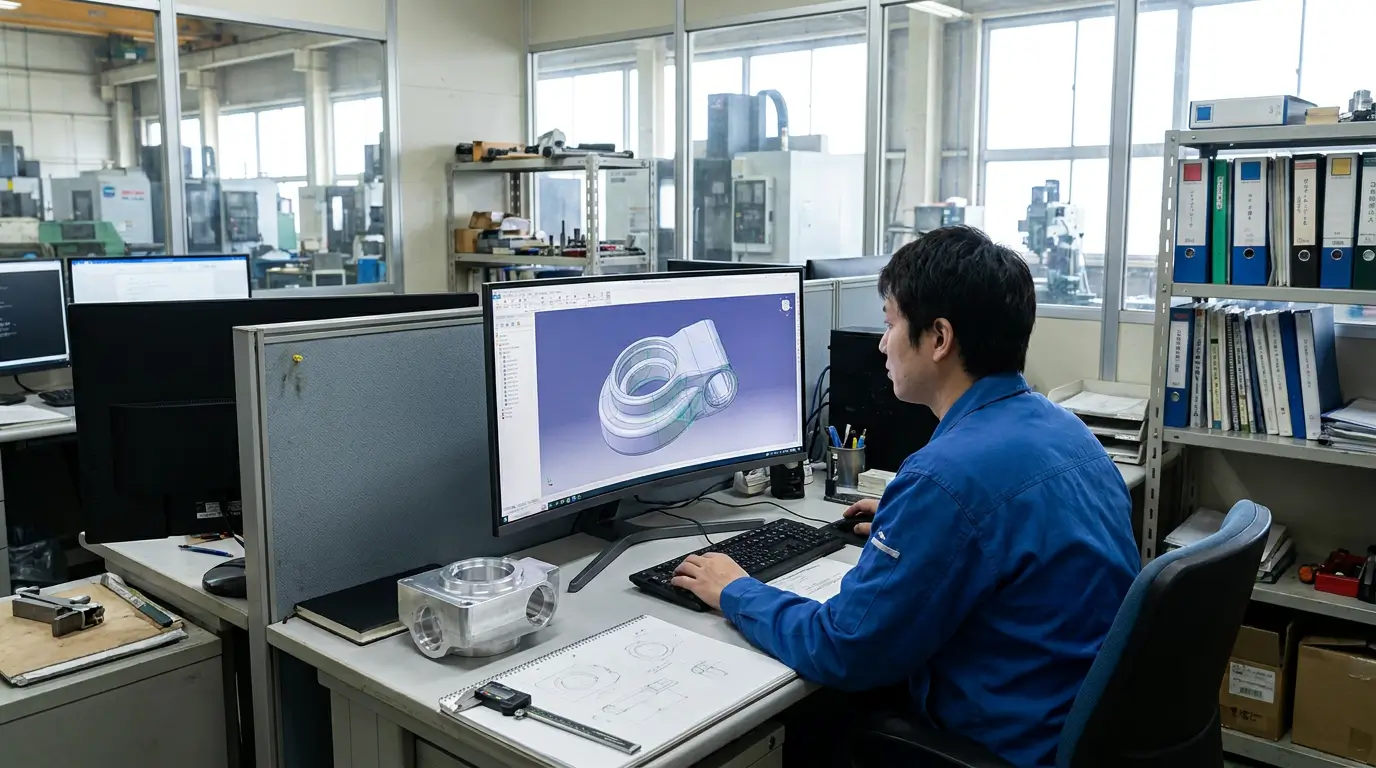
3D scanning captures the physical geometry of the existing component. The resulting data can support solid modeling and CAD model creation.
The model can then be reviewed for dimensional accuracy, manufacturability, and fit within the larger assembly. In some cases, the model may need to be corrected to account for wear, damage, or features that cannot be captured precisely.
Review Material and Fabrication Requirements
The replacement component may use the same material as the original, or it may require an alternative material based on availability, performance, or fabrication requirements.
Engineers may need to consider:
- Electrical insulation requirements
- Mechanical strength
- Temperature exposure
- Chemical resistance
- Dimensional stability
- Assembly conditions
- Expected production volume
Custom Materials Inc. works with engineered plastics, composites, electrical insulation materials, metals, and subassemblies, allowing the replacement component to be matched to the requirements of the application.
Prototype and Validate the Replacement
Before production begins, a prototype can be used to confirm fit, function, and fabrication feasibility.
Teams can evaluate:
- Dimensional fit
- Material suitability
- Assembly compatibility
- Functional requirements
- Manufacturing feasibility
Prototype evaluation can identify changes that improve the replacement component before it enters production.
Fabricate the Replacement Component
Once the design has been validated, the component can move into custom fabrication.
The appropriate manufacturing process depends on the material, geometry, tolerances, quantity, and application requirements. Custom Materials Inc. can support both one-time replacement parts and ongoing production requirements.
How Custom Materials Inc. Improves Existing Components
Reverse engineering can also create an opportunity to improve the original design.
A replacement component may be improved through:
- Alternative material selection
- Simplified geometry
- Improved manufacturability
- Better fit or durability
- Reduced component count
- Improved electrical insulation properties
- Lower production cost
- Shorter lead time
For example, Custom Materials Inc. redesigned a five-piece Lexan® shield for a telecommunications application into a one-piece formed unit. The redesign reduced component cost by 50% while maintaining the required quality.
This demonstrates how reverse engineering can support more than replacement. It can also help engineers improve a component for long-term performance and production efficiency.
CMI’s Fabrication Capabilities for Custom Component Replacement
A successful reverse engineering project depends on the ability to translate a scanned or modeled component into a manufacturable part.
Custom Materials Inc. fabricates metal and non-metallic materials—especially insulating materials—and subassemblies. Relevant capabilities include:
- CNC machining
- Precision cutting
- Die-cutting
- Sawing, shearing, forming, and stamping
- Turning, milling, drilling, and grinding
- Filament winding
- Hand layup
- Resin transfer infusion
- Casting and molding
- Vacuum consolidation
- Coating, painting, labeling, and kitting
- Assembly support
This range of capabilities allows CMI to support replacement components made from engineered plastics, composites, electrical insulation materials, and metals.
Applications for Reverse Engineering and 3D Scanning
Electrical Power and Utility Equipment
Electrical power systems often rely on specialized insulation components, supports, spacers, and fabricated parts. When these components become obsolete, replacement can be challenging.
Custom Materials Inc. fabricates electrical insulation and components for manufacturers involved in electrical power generation, distribution equipment, and controls. CMI has supported utility generator repair through the reverse engineering of an obsolete molded bushing, helping reduce both cost and lead time.
Transportation and Transit
Transportation systems can require replacement components for legacy equipment, specialized assemblies, and hard-to-source parts.
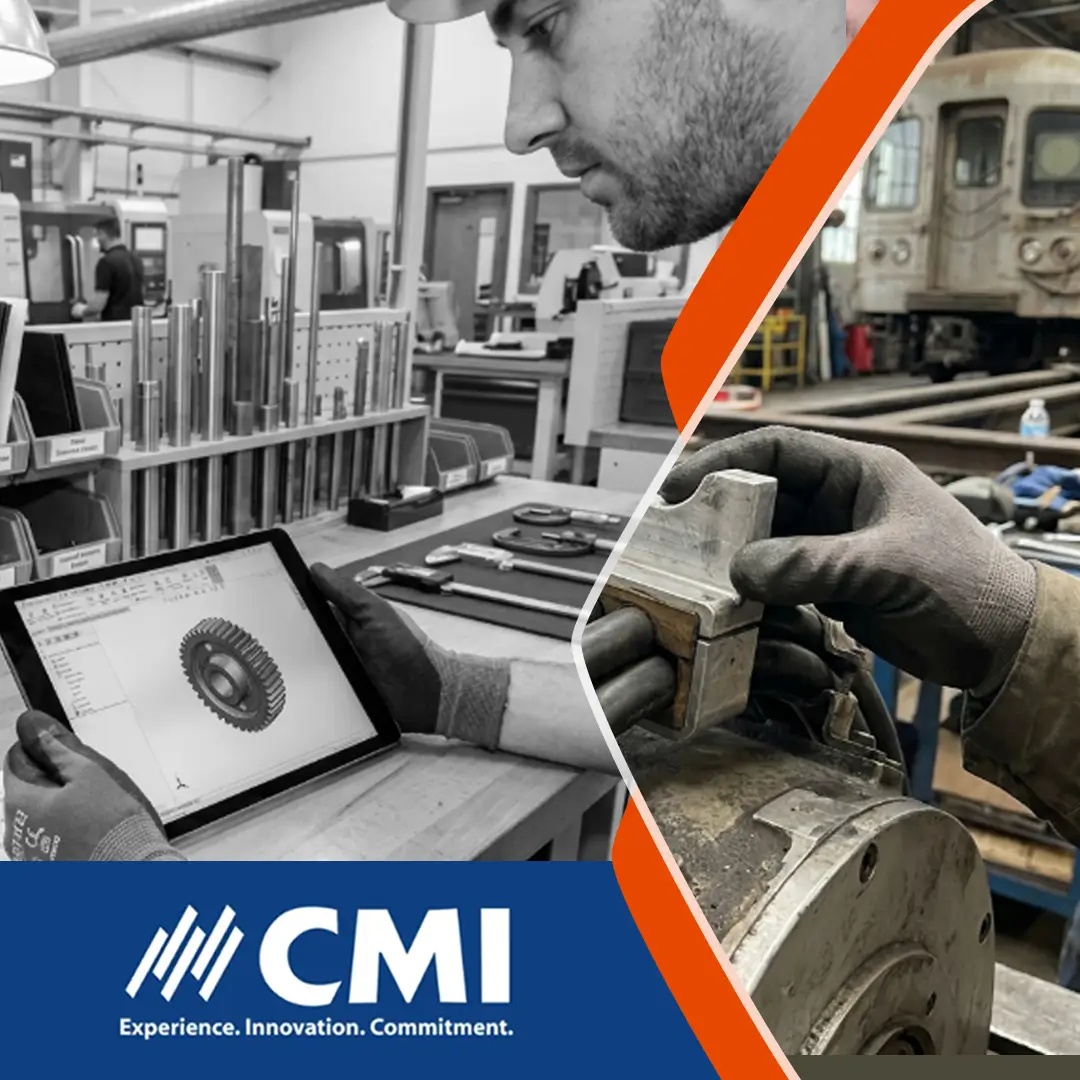
Custom Materials Inc. supports transportation and defense-related industrial customers with custom metal fabrication, electrical insulation components, engineered plastics, composites, and higher-level assemblies. One example includes replacement cable cleats for traction motors on metropolitan transit cars for the New York City Transit Authority.
Medical and High-Reliability Equipment
Medical equipment can require components with controlled dimensions, specific material properties, and repeatable fabrication.
Custom Materials Inc. supports medical applications with precision components, engineered plastics, composites, electrical insulation, and custom-fabricated assemblies. Reverse engineering can help support replacement parts for imaging systems, patient-handling equipment, and other medical equipment assemblies.
Why Work With Custom Materials Inc.?
The company can support projects that involve:
- Damaged or obsolete components
- Missing drawings or CAD files
- Hard-to-source materials
- Replacement parts for legacy equipment
- Prototype fabrication
- Production components
- Engineered plastics, composites, insulation materials, and metals
CMI supports demanding industries including electrical power, medical, aerospace, military, renewable energy, and other technical applications.
Its role is to help engineering teams move from an existing component to a documented, manufacturable replacement.
Replace Hard-to-Source Components With Custom Materials Inc.
A successful replacement component must fit, function, and perform as required. Reverse engineering and 3D scanning help make that possible when original documentation or suppliers are no longer available.
Custom Materials Inc. works with engineering teams to evaluate existing components, create CAD models, identify material options, fabricate prototypes, and produce replacement components.
Whether you need to replace an obsolete part, recreate a damaged component, or improve an existing design, contact the Custom Materials Inc. team to discuss your reverse engineering and fabrication requirements.
Frequently Asked Questions
What is reverse engineering in component manufacturing?
Reverse engineering in component manufacturing is the process of evaluating an existing physical component to determine its geometry, material requirements, and fabrication method. It is commonly used to recreate, replace, or improve parts when original drawings, CAD files, or supplier documentation are unavailable.
Does Custom Materials Inc. offer 3D scanning services?
Yes. Custom Materials Inc. offers 3D scanning as part of its reverse engineering and component documentation capabilities. The company uses 3D scanning, reverse engineering, and solid modeling to help recreate replacement components when original drawings are unavailable.
Can a part be reverse engineered without original drawings?
Yes. A part can be reverse engineered without original drawings by measuring or 3D scanning the existing component and creating a CAD model from the captured geometry. Engineers then review the model for fit, function, material requirements, and manufacturability before producing a replacement.
How does 3D scanning help with obsolete part replacement?
3D scanning helps with obsolete part replacement by capturing the geometry of an existing component and converting it into usable CAD data. This allows engineers to document the part, evaluate dimensions, identify material requirements, and fabricate a replacement without relying on original drawings.
Can Custom Materials Inc. identify a replacement material for an obsolete part?
Custom Materials Inc. can help identify alternate materials when the original material is obsolete, discontinued, or difficult to identify. Material selection is based on the component’s electrical, mechanical, thermal, chemical, and assembly requirements.
What types of components can Custom Materials Inc. reverse engineer?
Custom Materials Inc. can reverse engineer and fabricate replacement components made from engineered plastics, composites, electrical insulation materials, metals, and subassemblies. Applications include electrical power equipment, transportation systems, medical equipment, and other high-reliability industrial components.
Can reverse engineering improve a component instead of simply replacing it?
Reverse engineering can identify opportunities to improve a component through alternative materials, simplified geometry, better manufacturability, improved fit, reduced component count, or lower production cost. The replacement can match the original design or be enhanced where the application allows.
Can Custom Materials Inc. produce both one replacement part and production quantities?
Custom Materials Inc. can support both one-time replacement components and repeat production runs. The appropriate fabrication method depends on the material, component geometry, tolerances, production volume, and application requirements.