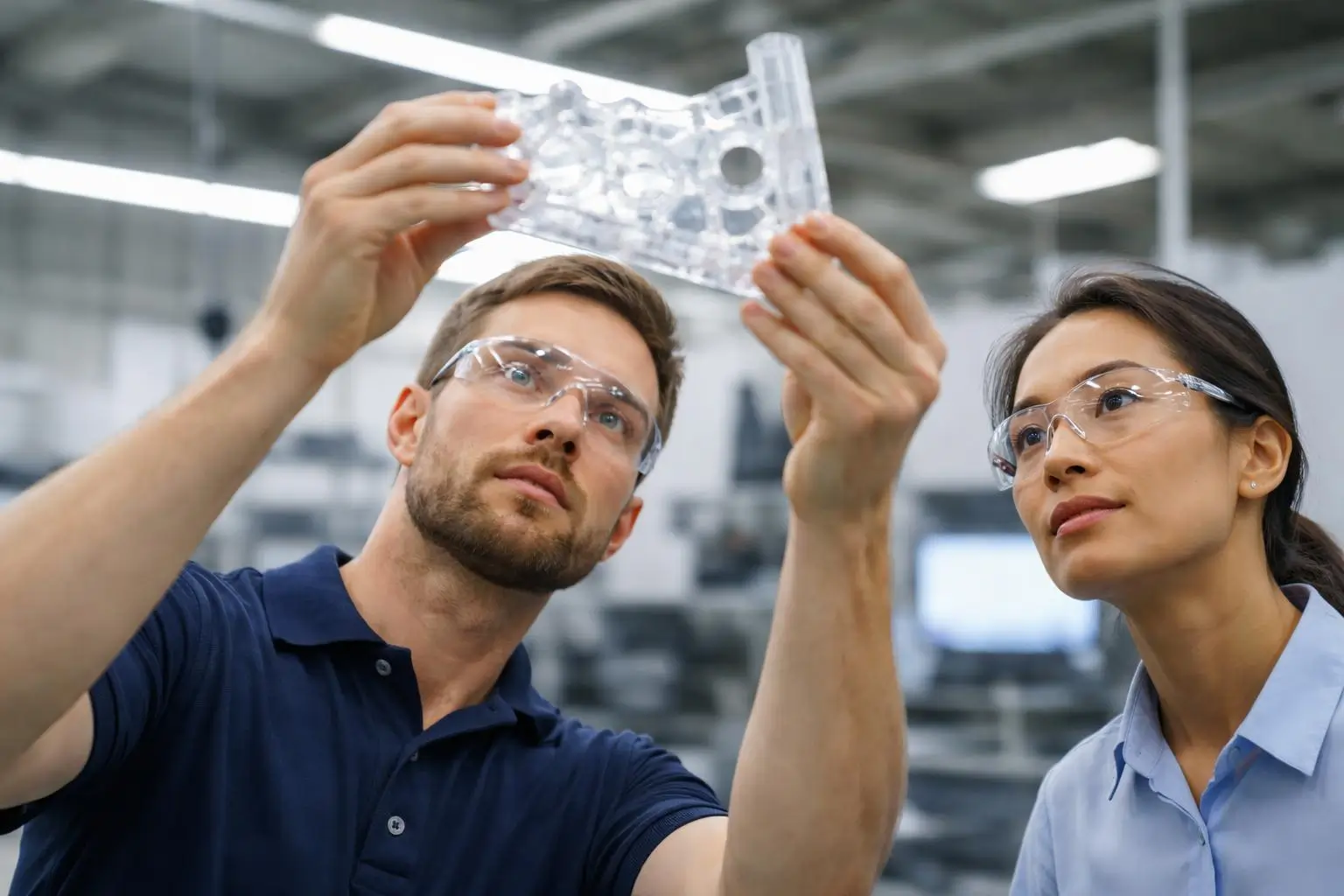
Moving a component from prototype to production requires more than producing the first working prototype. Engineers must confirm the material, dimensions, tolerances, fabrication method, inspection requirements, and production process before a component can be manufactured consistently.
Custom Materials Inc. supports engineering teams through this process with fabrication engineering, material expertise, prototype fabrication, precision manufacturing, and production support. The company works with engineered plastics, composites, electrical insulation materials, and metals to produce components for demanding medical, energy, transportation, and defense applications.
Changes in design decisions made early require significantly more rework activities, nominally thirteen times more rework on average, than changes made after the concept is fixed. A successful prototype shows that a design can work. A successful production process shows that the same component can be made repeatedly, meet specifications, and perform as required.
What Does the Prototype to Production Process Involve?
The transition from prototype to production connects engineering requirements with manufacturing requirements. Each stage helps confirm that the final component can meet its intended specifications.
From Engineering Concept to Prototype
The process begins with the engineering requirements. These requirements can include:
- Material specifications
- Part dimensions
- Tolerances
- Operating conditions
- Mechanical requirements
- Electrical requirements
- Assembly requirements
- Production quantities
Fabrication teams then use these requirements to determine how to produce the prototype. The first part allows engineers to evaluate fit, function, material performance, and fabrication feasibility.
From Prototype to Production
Production introduces requirements that may not appear during the prototype build. A production process must provide consistent dimensions, repeatable fabrication steps, reliable materials, and appropriate quality checks.
The manufacturing team must also consider production volume, material availability, setup requirements, inspection, and delivery schedules.
This makes the transition from prototype to production an important stage in the fabrication process. Manufacturability constraints—including assembly, inspection, supply-chain, and cost considerations—must be translated into design decisions early, because these early decisions govern process capability, tolerance risk, and lead time throughout the product development process.
Why Fabrication Engineering Matters During Prototyping
Fabrication engineering connects engineering requirements with the manufacturing process. CMI supports projects with fabrication capabilities for metal, plastics, composites, insulating materials, and subassemblies.
CMI’s fabrication processes include:
- Sawing, shearing, forming, and stamping
- Turning, milling, drilling, and grinding
- Die-cutting, slitting, and routing
- Filament winding, hand layup, and resin transfer infusion
- Casting, molding, and vacuum consolidation
- Coating, painting, labeling, and kitting
- In-house tooling and die design
This range of capabilities allows CMI engineers to consider material, geometry, tolerances, fabrication method, and production requirements early in the project. Engineering and manufacturing work together to support a smooth transition from prototype development to production.
Reviewing the Part Before Production
A fabrication review can help determine whether the selected material and manufacturing method suit the part.
For example, an engineer may need to consider whether a plastic component can maintain its dimensions under operating conditions. A composite part may require a specific fabrication method to maintain its structural properties. An electrical insulation component may require material properties that support the application.
These decisions can affect both part performance and production consistency. Design for manufacturing can reduce assembly defects by up to 68% and assembly time by up to 61%, while also reducing the number of assembly steps by as much as 53% and cutting time to market by up to 50%.
Choosing the Right Fabrication Method
The fabrication method should match the component and its requirements.
Depending on the part, production may involve:
- Precision cutting
- CNC machining
- Plastic fabrication
- Composite fabrication
- Electrical insulation fabrication
- Metal fabrication
- Assembly
The right process can help control dimensions, material waste, production time, and repeatability.
How Custom Materials Inc. Moves Prototypes Into Production
Custom Materials Inc. supports projects through the stages between an initial prototype and production.
Prototype Fabrication for Engineering Evaluation
Prototype fabrication gives engineering teams a physical prototype to inspect and evaluate.
Teams can use the prototype to confirm:
- Dimensional fit
- Material suitability
- Assembly compatibility
- Functional requirements
- Fabrication feasibility
The results can then guide changes before production begins.
Refining the Component Before Production
Prototype evaluation may reveal changes that improve the manufacturing process. Engineers may adjust dimensions, materials, part geometry, or fabrication methods based on what they learn.
This stage helps establish the requirements for the production component.
Preparing for Repeatable Production
Production requires a process that can produce consistent results across multiple parts.
The manufacturing team must establish clear fabrication steps and quality checks. Material requirements, dimensions, tolerances, and inspection criteria should remain consistent with the approved component.
The goal is simple: produce the required part repeatedly without losing the qualities established during prototype development.
Selecting the Right Manufacturing Process
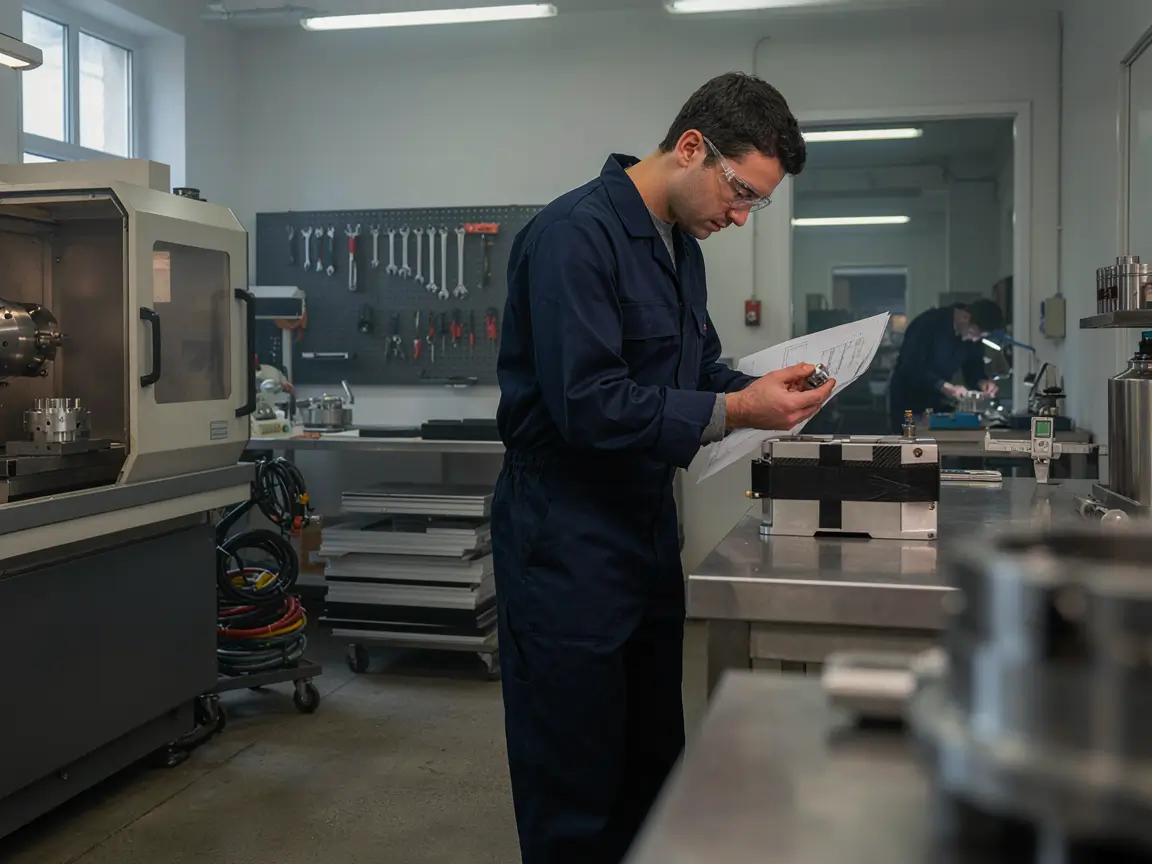
Different components require different fabrication methods. Material, geometry, tolerance, quantity, and application requirements all affect the manufacturing process.
Precision Cutting and Fabrication
Precision cutting can produce components from plastics, composites, insulation materials, and other engineered materials.
The process can support parts that require controlled dimensions and repeatable shapes.
CNC Machining for Complex Components
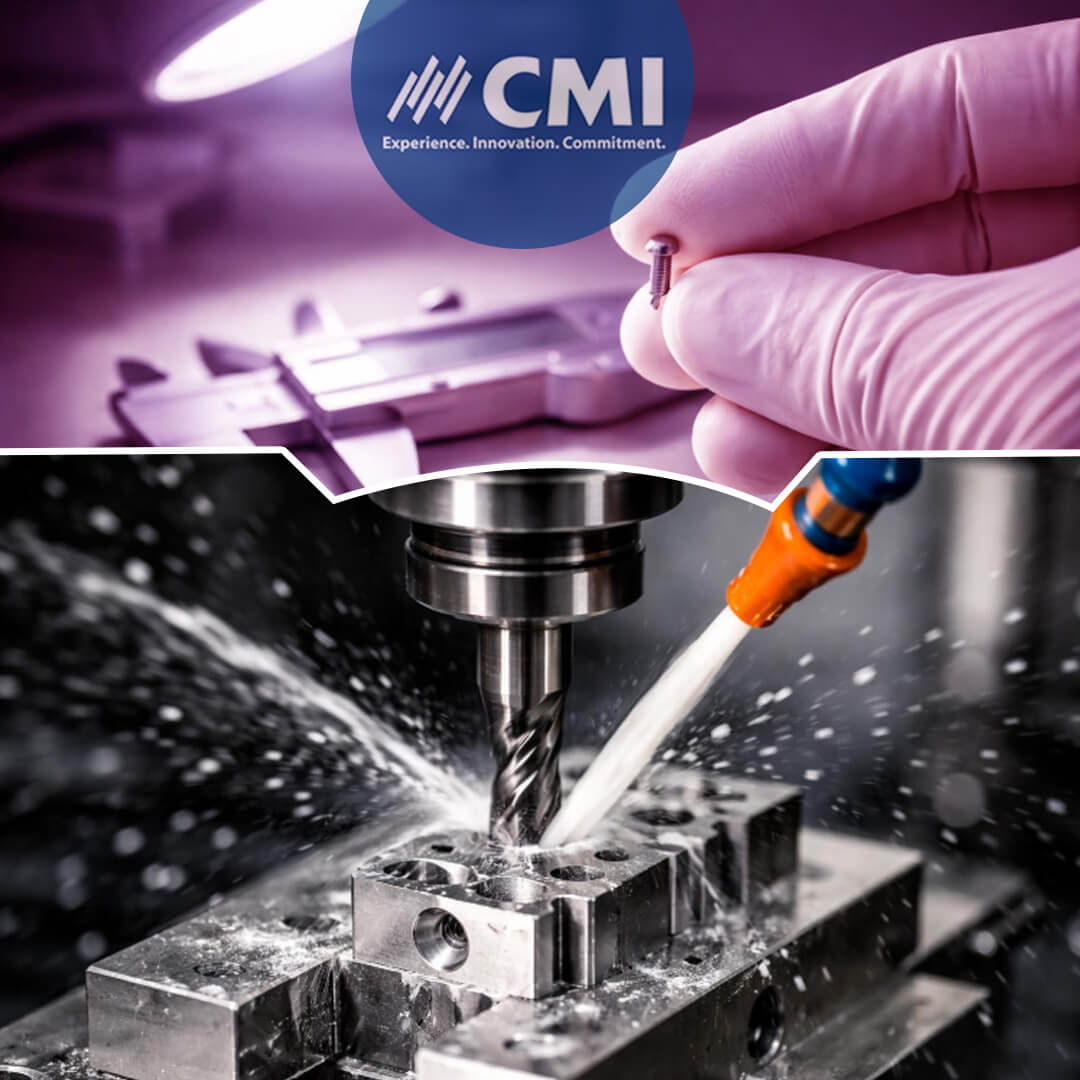
CNC machining can produce components that require controlled dimensions, detailed geometries, and tight tolerances.
The process is useful when a component requires accurate material removal and repeatable production.
Plastic and Composite Fabrication
Engineered plastics and composites can provide useful properties for medical, energy, transportation, and other technical applications.
Material selection depends on the operating requirements of the component. Factors can include electrical insulation, weight, dimensional stability, corrosion resistance, and mechanical performance.
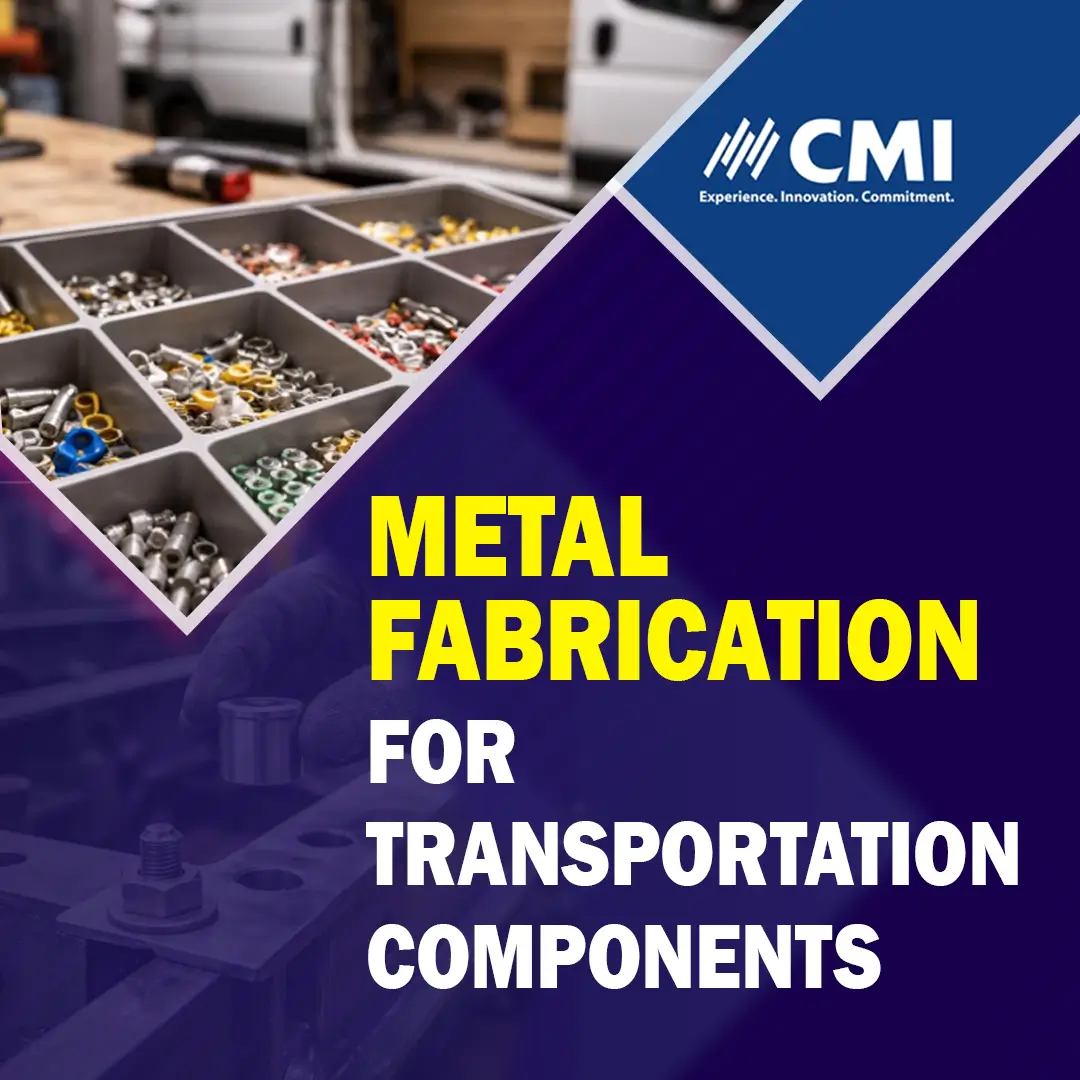
Metal Fabrication for Assemblies
Some projects require components made from multiple materials.
Custom Materials Inc. can support projects that combine plastic, composite, insulation, and metal components. Metal fabrication can also support higher-level assemblies when several fabricated parts must work together.
Maintaining Quality From Prototype to Production
A production process must preserve the requirements established during prototype development.
Dimensional Accuracy and Repeatability
Dimensions affect whether a component fits correctly within an assembly. Small variations can affect alignment, movement, connections, or overall equipment performance.
Production inspection helps verify that components remain within the required specifications.
Material and Process Consistency
Material selection affects how a component performs during fabrication and use.
Production teams must maintain the required material specifications and fabrication methods across production runs. Consistent inputs help support consistent finished parts.
Inspection and Quality Control
Quality control can include dimensional inspection, material documentation, process checks, and final part review.
The inspection requirements depend on the component and the customer’s specifications.
Documentation and Traceability
Documentation provides a record of the materials, processes, inspections, and requirements associated with a component.
Traceability can be especially important for industries that require controlled manufacturing processes and detailed production records.
How Fabrication Engineering Can Reduce Production Risk
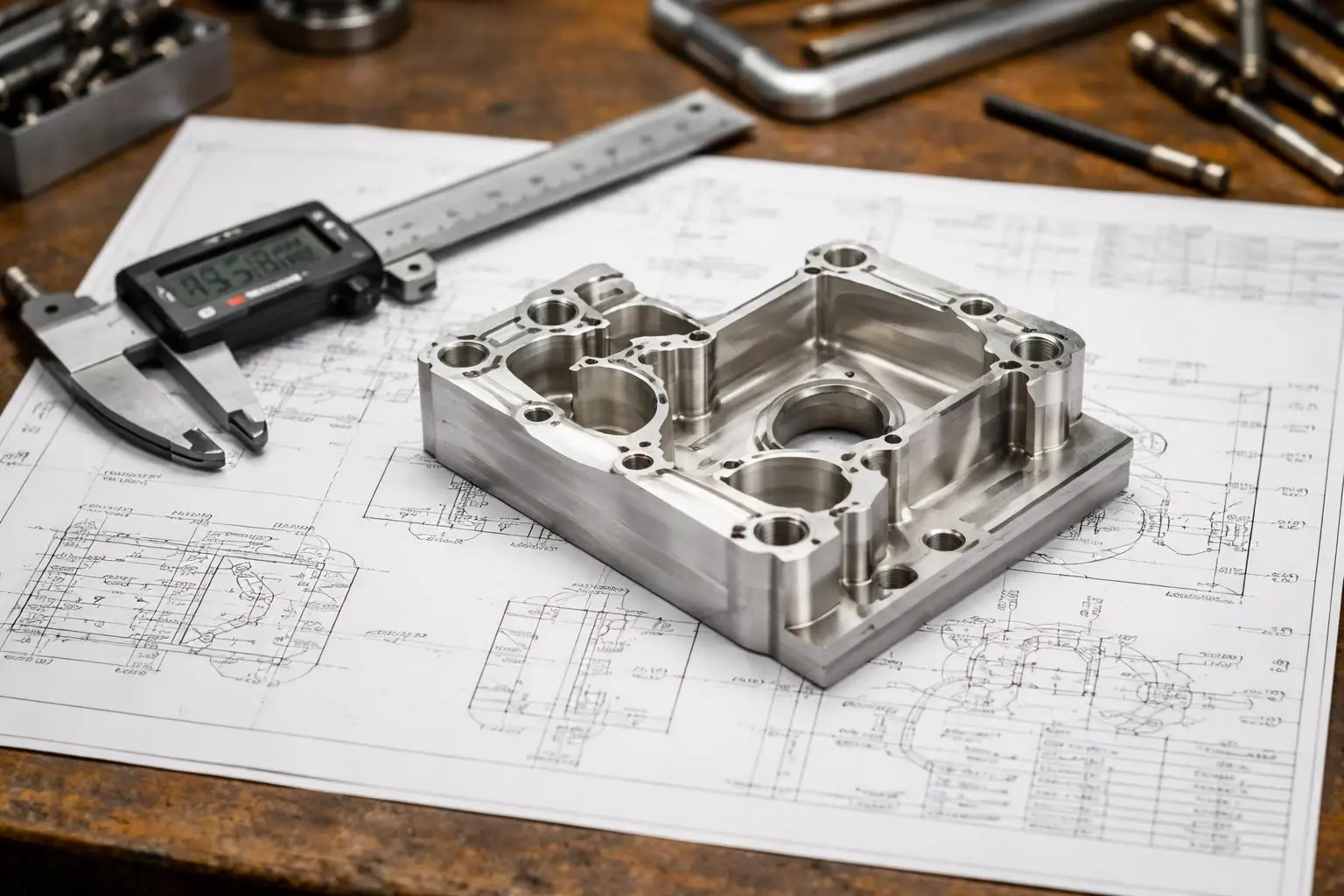
Early fabrication input can help engineers identify production issues before they affect larger manufacturing runs.
Potential risks include:
- Material waste
- Part redesign
- Production delays
- Rework
- Poor assembly fit
- Inconsistent dimensions
- Unclear manufacturing requirements
Identify Issues Early
Prototype fabrication allows teams to find problems before production quantities increase.
A small change during prototype development can prevent repeated problems during production.
Consider the Application
Fabrication decisions should reflect how the component will operate.
Engineers may need to consider:
- Temperature
- Mechanical loads
- Electrical requirements
- Environmental exposure
- Material compatibility
- Assembly conditions
- Expected production volume
These factors help determine the appropriate material and fabrication process.
Maintain Production Consistency
Once the prototype has been approved, the production process should maintain the same critical requirements.
This includes dimensions, tolerances, material specifications, and inspection criteria.
Supporting Medical, Energy, Transportation, and Defense Applications
Custom Materials Inc. provides fabricated components for industries that require reliable materials and consistent manufacturing.
Medical Equipment
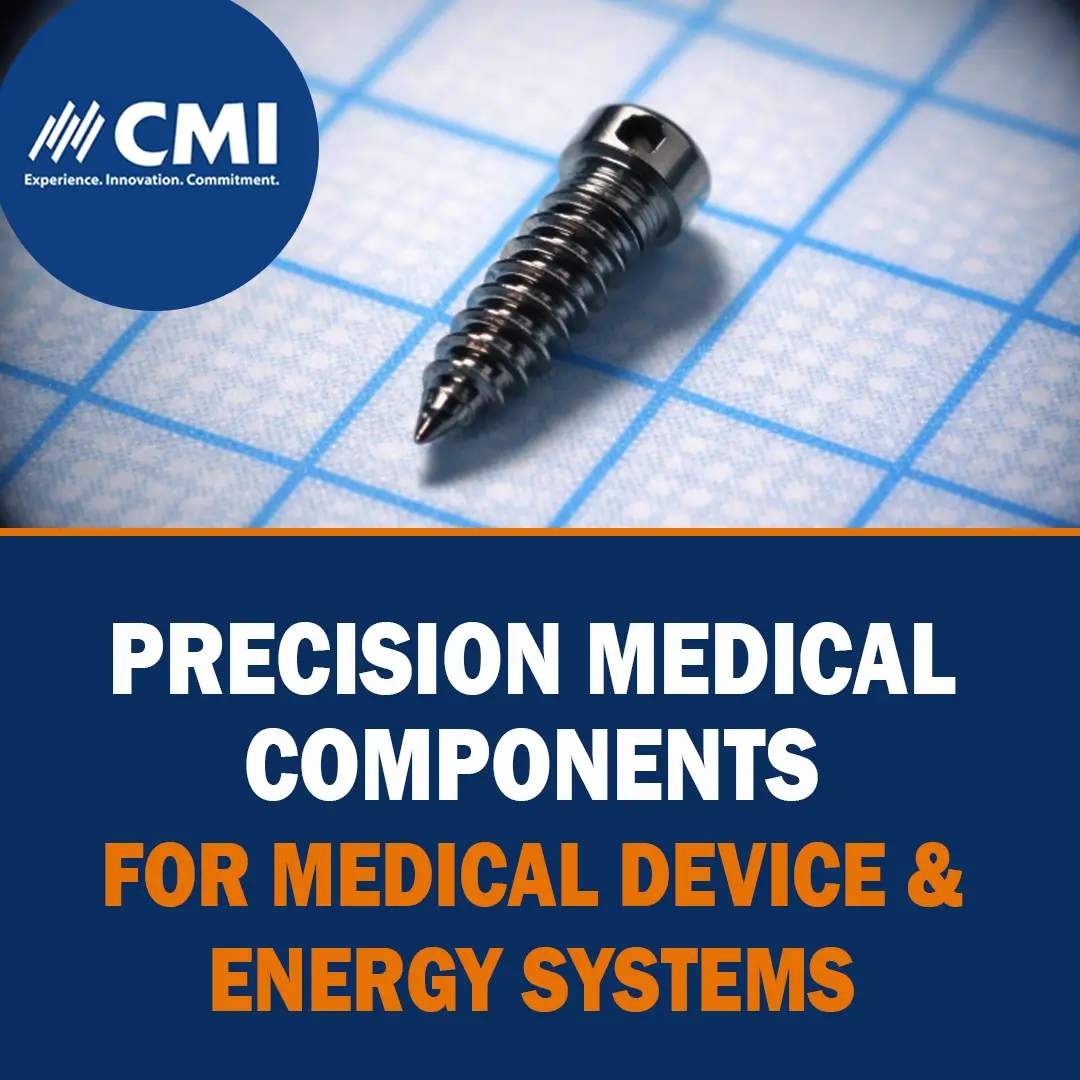
Medical equipment applications can require high-quality components with tight tolerances, specific material properties, documentation, and material traceability.
Custom Materials Inc. uses engineered plastics and composites for medical equipment because their properties can support demanding applications. High strength-to-weight ratios can help replace traditional metal components in patient handling and CT equipment. Non-magnetic materials can also support components used in MRI equipment, while specific grades with low X-ray attenuation can support X-ray applications.
Applications include components for:
- MRI systems
- X-ray equipment
- CT equipment
- Patient handling and positioning systems
- Medical equipment assemblies
Examples of medical components include:
- MRI gradient tubes
- Coil supports and partitions
- Wedges and spacers
- MRI body coil components
- Covers, connectors, plugs, and receptacles
- Patient handling components
- Table gear racks
- Chain guides
- Pulleys and slides
- Body positioning components
Custom Materials Inc. can also support higher-level assemblies that combine plastics and composites with ferrous and non-ferrous metal components through its metal fabrication capabilities.
Energy Systems
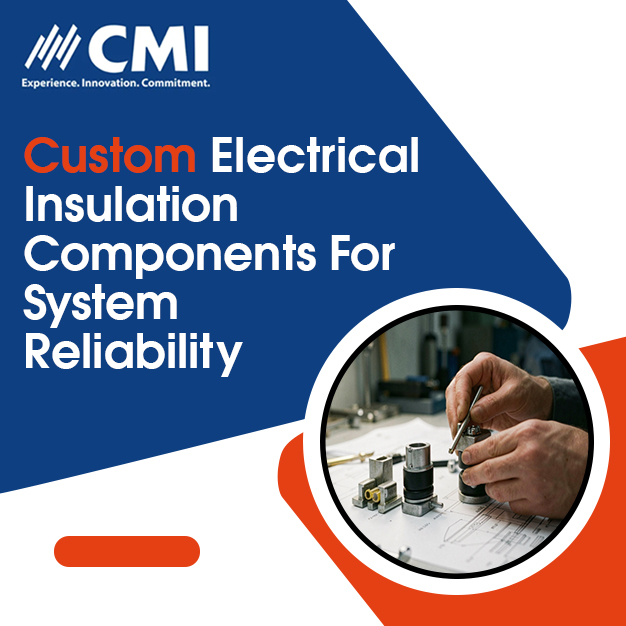
Energy applications can require electrical insulation, structural supports, spacers, and other fabricated components.
Components used in power generation, transmission, and distribution systems must meet the requirements of their operating environment.
Transportation and Defense Applications
Transportation and military applications can require specialized fabricated components, replacement parts, insulation components, and complex assemblies. Custom Materials Inc. supports these applications with fabrication, reverse engineering, engineered plastics and composites, electrical insulation, and metal components.
CMI has supported transportation applications ranging from hybrid propulsion systems for cars and buses to starters and blowers for military and commercial aircraft. Its transportation work also includes components for trolley cars and metropolitan transit systems, such as replacement knife switches, contactor components, cable cleats, third-rail insulation components, inverter components, and motor and control components.
Reverse engineering can also support older or obsolete equipment when original drawings are unavailable. CMI can use 3D scanning and CAD modeling to recreate replacement components and help identify alternative materials when the original material is obsolete or difficult to identify.
CMI’s vertical manufacturing capabilities also allow it to produce complex assemblies and kits that combine plastics, composites, metallic components, and hardware. Its MRP and quality systems support material documentation, lot traceability, supply chain monitoring, and production quality across these applications.
What to Look for in a Fabrication Partner
The right manufacturing partner can support a project beyond the first prototype.
Engineers should consider several factors when selecting a fabrication partner.
Engineering and Manufacturing Expertise
The supplier should understand both the engineering requirements and the fabrication process.
This helps teams address manufacturing concerns before production begins.
Multiple Fabrication Capabilities
A supplier with several fabrication capabilities can support different component requirements within the same project.
For example, one project may require CNC-machined plastic parts, composite components, electrical insulation, and metal assemblies.
Material Knowledge
Material selection affects fabrication, performance, and production consistency.
A fabrication partner should understand the properties and manufacturing requirements of the materials used in the application.
Quality and Communication
Clear communication helps keep engineering requirements, production requirements, and inspection criteria aligned.
Quality checks should support the specifications established during the project.
Support Across the Project Lifecycle
The strongest manufacturing relationships begin early.
A fabrication partner can provide greater value when it participates during prototype development, material selection, process planning, and production preparation rather than entering the project only after the design is complete. The transition from prototype validation to volume production is the single point at which most design and supplier risk is exposed, making documented manufacturability reviews essential before scaling.
From Prototype to Production With Custom Materials Inc.
A successful prototype proves that a design can work. A successful production process makes that design repeatable.
Custom Materials Inc. works with engineering teams to move components from prototype development into production through material selection, fabrication planning, prototype evaluation, process development, and quality control.
Whether you are developing a new component, refining an existing prototype, or preparing for production, contact the Custom Materials Inc. team to discuss your fabrication requirements and next steps.
Frequently Asked Questions
What is the prototype-to-production process?
The prototype-to-production process moves an engineered component from an initial prototype into repeatable manufacturing. It can include design review, material selection, prototype fabrication, testing, process planning, quality control, and production preparation.
Why is fabrication engineering important during prototyping?
Fabrication engineering helps identify material, geometry, tolerance, and manufacturing issues before production begins. Early engineering review can help teams select an appropriate fabrication method and reduce rework during larger production runs.
How does Custom Materials Inc. support production-ready components?
Custom Materials Inc. supports production-ready components through engineering review, material selection, prototype fabrication, precision fabrication, inspection, and production support. The process helps connect engineering requirements with repeatable manufacturing.
Can Custom Materials Inc. support both prototypes and production runs?
Yes. Custom Materials Inc. supports projects that require prototype fabrication and production components. The appropriate manufacturing process depends on the material, component design, quantity, tolerances, and application requirements.
What industries does Custom Materials Inc. support?
Custom Materials Inc. supports medical, energy, transportation, and defense-related applications. Its capabilities include engineered plastics, composites, electrical insulation, precision fabrication, and metal fabrication for specialized components and assemblies.