In industries where reliability directly affects safety, uptime, and performance, precision-fabricated components cannot be left to chance. Medical imaging equipment, power generation infrastructure, transmission systems, and transportation technologies all depend on parts that perform consistently under demanding operating conditions.
As systems become more sophisticated in 2026, engineers increasingly need parts that meet strict dimensional tolerances, material specifications, and traceability requirements. Even minor deviations can affect imaging accuracy, electrical performance, equipment lifespan, or regulatory compliance.
Custom Materials Inc. (CMI) has built its reputation by supporting high-performance industries with custom-fabricated plastics, composites, insulation materials, and metal components. Drawing from decades of experience manufacturing tightly toleranced components for demanding applications, CMI combines precision fabrication, documentation control, and material traceability to help customers meet stringent engineering requirements.
Whether supporting advanced medical equipment or critical energy infrastructure, precision fabrication plays a central role in system reliability, long-term performance, and operational confidence.
What Are Precision Fabricated Components?
Precision-fabricated components are custom-manufactured parts designed to meet specific mechanical, electrical, thermal, or structural requirements. Unlike standard off-the-shelf parts, these components are engineered to fit exact system requirements and often undergo strict quality control procedures throughout production.
Examples include:
- MRI coil supports and partitions.
- MRI gradient tubes.
- Medical positioning components.
- Power system insulation structures.
- Electrical connectors and receptacles.
- Transmission and distribution components.
- Custom spacers and wedges.
- Composite structural supports.
Why Precision Matters
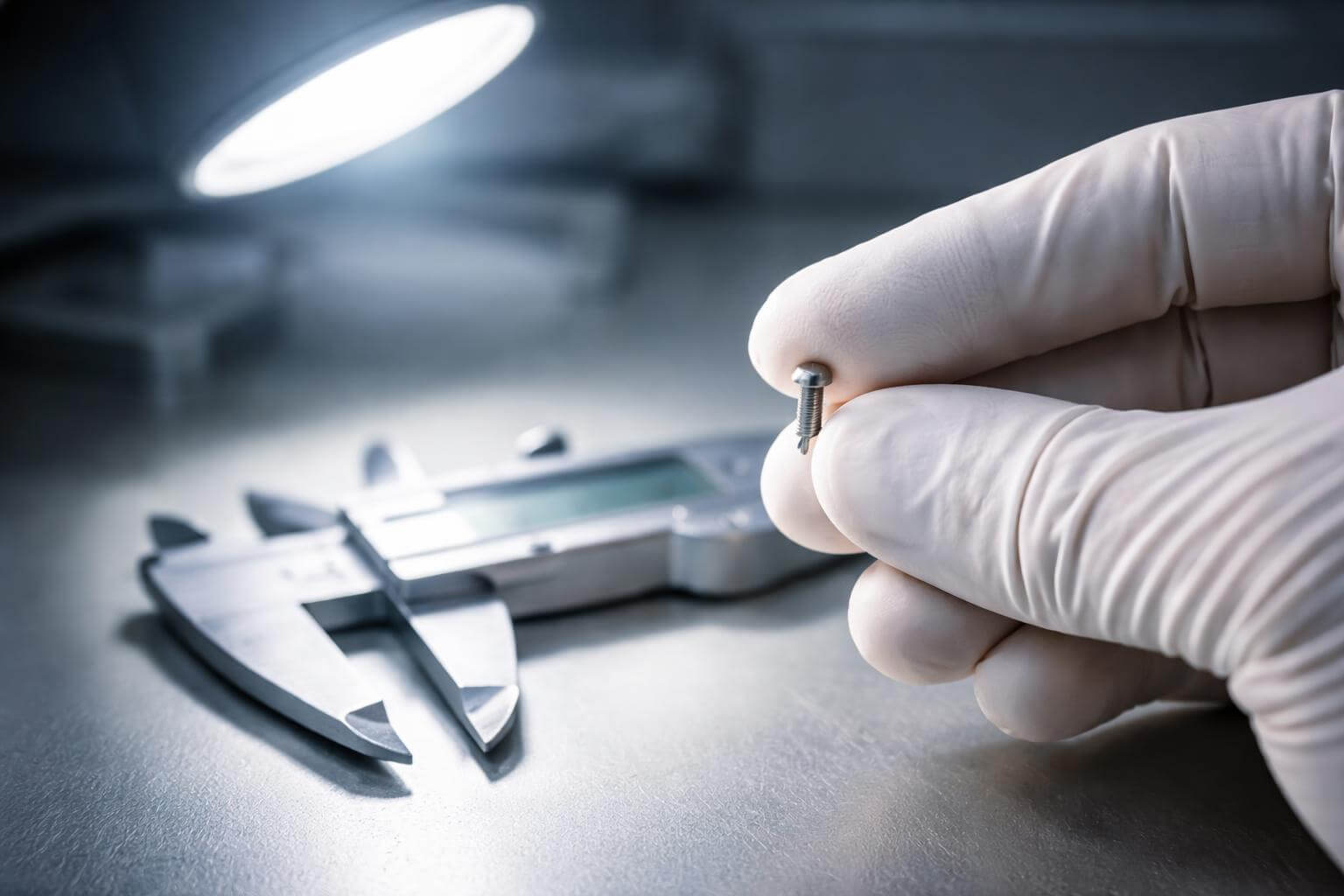
Precision fabrication helps ensure:
- Consistent dimensional accuracy.
- Reliable assembly fit.
- Improved system performance.
- Longer component lifespan.
- Reduced maintenance and replacement costs.
In regulated industries, precision is not simply a manufacturing preference. It is a requirement for system reliability and compliance.
The Growing Role of Engineered Plastics and Composites
Many modern medical and energy applications increasingly rely on engineered plastic components and composite fabrication services instead of traditional metals. These materials offer design flexibility, performance advantages, and application-specific benefits that help engineers solve complex problems.
High Strength with Reduced Weight
Engineered composites often provide excellent strength-to-weight ratios, making them ideal for:
- Patient handling systems.
- Medical positioning equipment.
- Transportation infrastructure.
- Electrical support structures.
Reducing component weight can improve equipment efficiency while maintaining structural performance. In applications where every pound matters, that balance can make a meaningful difference.
Non-Magnetic Performance for MRI Systems
One major advantage of composite materials is their non-magnetic nature. This makes them well-suited for:
- MRI body coil components.
- MRI coil supports.
- MRI connectors.
- MRI spacers.
- MRI gradient tubes.
Because these components operate near powerful magnetic fields, material selection directly impacts equipment functionality and image quality. Custom Materials Inc. manufactures high-precision parts used in MRI components manufacturing and other critical medical applications.
Low X-Ray Attenuation Properties
Certain engineered plastics allow X-rays to pass through with minimal interference. This makes them valuable in:
- CT equipment.
- X-ray systems.
- Imaging support structures.
- Positioning components.
The result is improved imaging performance without compromising structural integrity.
How Custom Fabrication Supports Modern Medical Devices
Medical device manufacturers face strict requirements for safety, traceability, performance, and regulatory compliance. Precision-fabricated components help meet those demands by supporting exact fit, reliable function, and repeatable production across critical medical applications. For teams developing advanced medical equipment, the right manufacturing partner can make it easier to balance precision and quality with production efficiency.
MRI Components
CMI supports MRI components manufacturing with precision medical components such as MRI gradient tubes, MRI body coil components, coil supports and partitions, MRI wedges and spacers, MRI connectors, and MRI plugs and receptacles. These medical parts must maintain dimensional stability and consistent performance in demanding MRI environments.
Material behavior is especially important in MRI systems because high magnetic fields require non-magnetic and tightly controlled device components. CMI’s medical machining and precision metal fabrication capabilities help produce high-precision parts that support imaging accuracy, system reliability, and long-term use in advanced medical technologies.
Patient Handling Components
Patient handling systems depend on precise components that can withstand repeated movement and daily use. CMI fabricates parts such as table gear racks, chain guides, positioning components, pulleys, and slides for medical environments where smooth operation and durability matter.
These custom medical components must support medical precision and maintain consistent performance over time. In critical medical applications, even small variations can affect system function, so intricate components with tight tolerances are essential for device manufacturers working to meet medical standards.
X-Ray and CT System Components
CMI also produces medical device components for X-ray and CT systems, including X-ray bobbin coils, collimator pointers, targets, protective covers, and structural supports. These parts must integrate cleanly into larger assemblies where precision and accuracy influence overall imaging performance.
For the fabrication of medical devices, the combination of precision metal components, engineered plastic components, and controlled manufacturing services helps deliver parts that meet the demands of the medical industry. That approach supports high precision and accuracy in systems where components are safe, reliable, and built to exact specifications.
Supporting Reliability Across Energy Systems
Energy infrastructure demands components capable of performing continuously in challenging environments. From power generation facilities to transmission and distribution networks, precision fabrication helps support electrical reliability and operational efficiency.
Transmission and Distribution Applications
Electrical systems depend on fabricated components that provide:
- Electrical insulation.
- Mechanical support.
- Dimensional stability.
- Long-term durability.
Transmission and distribution systems depend on precision-fabricated components that help maintain electrical isolation, structural alignment, and long-term durability. These parts are often critical components in assemblies that must operate safely and consistently across power networks.
Power Generation Systems
Power generation equipment often operates under:
- High temperatures.
- Mechanical vibration.
- Electrical stress.
- Continuous duty cycles.
Power generation equipment often operates under high temperatures, mechanical vibration, electrical stress, and continuous duty cycles. CMI fabricates power generation components that are built to support these operating conditions while helping reduce maintenance concerns and improve system reliability.
Why Traceability Matters in High-Reliability Industries
In the medical and energy sectors, manufacturers increasingly require detailed documentation throughout the production process. Traceability is not just an added feature. It is part of what makes a component trustworthy in a regulated or high-consequence environment.
Material Traceability
Traceability provides visibility into:
- Material origin.
- Manufacturing processes.
- Quality inspections.
- Production records.
This documentation helps support regulatory requirements and quality assurance initiatives. It also creates confidence for customers who need consistent performance from one production run to the next.
Engineering Accountability
Fabricators serving regulated industries must maintain:
- Process consistency.
- Inspection records.
- Revision control.
- Quality documentation.
Custom Materials Inc.’s experience supporting tightly controlled applications has helped establish robust manufacturing and documentation processes that align with customer requirements. That level of control reduces uncertainty for engineering teams and procurement groups alike.
Engineering-Driven Fabrication for Critical Applications
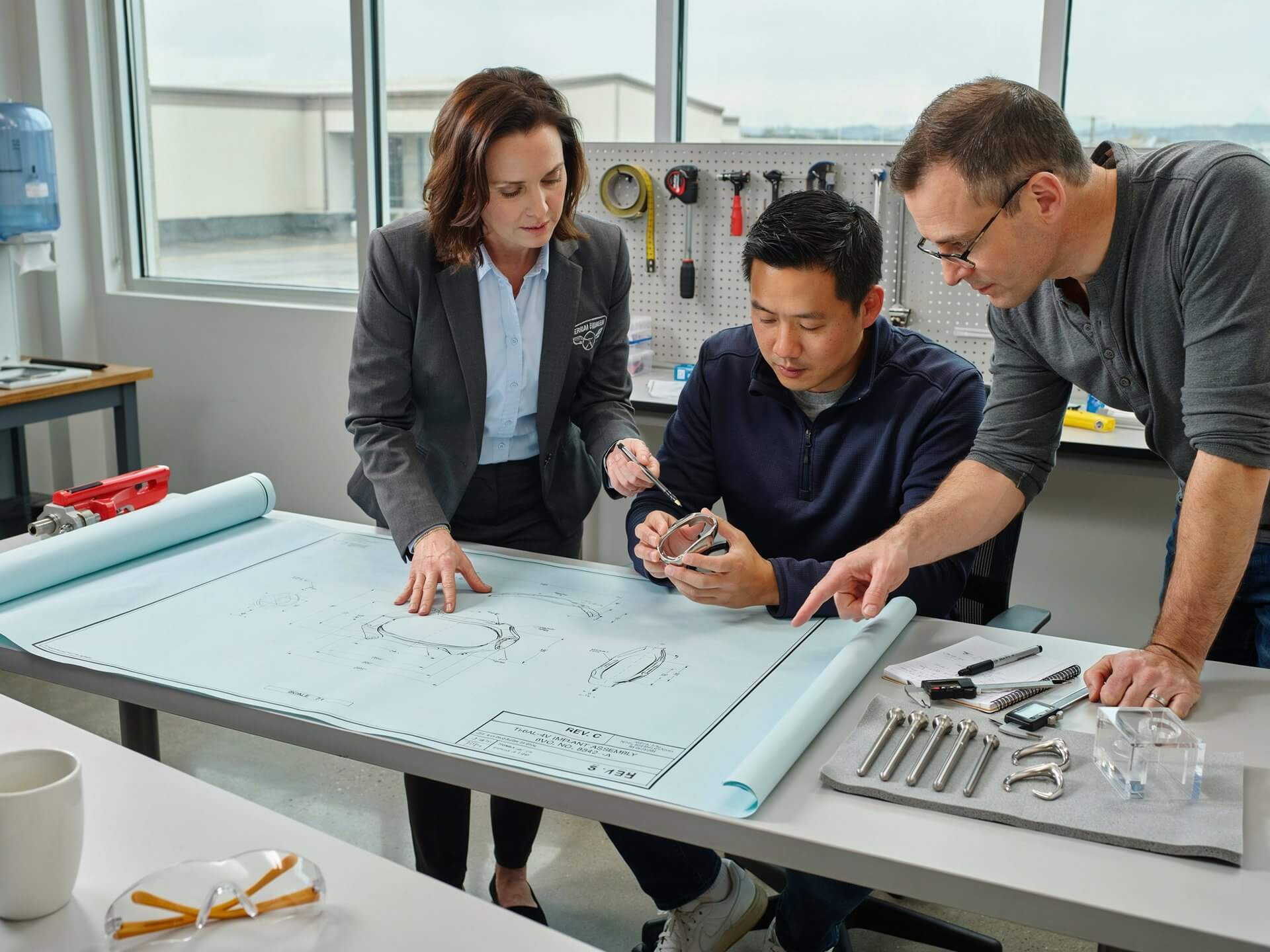
Many fabricators can produce parts. Fewer can consistently support high-reliability industries where component performance, traceability, and precision directly impact operational outcomes.
Custom Materials Inc. differentiates itself through a combination of material expertise, manufacturing capability, and collaborative engineering support.
Deep Material Expertise
CMI brings experience with:
- Engineered plastics.
- Composites.
- Electrical insulation materials.
- Custom metal fabrication.
That material knowledge matters because different applications require different performance characteristics. Choosing the right material is often just as important as making the part correctly.
Precision Manufacturing Capabilities
Capabilities include:
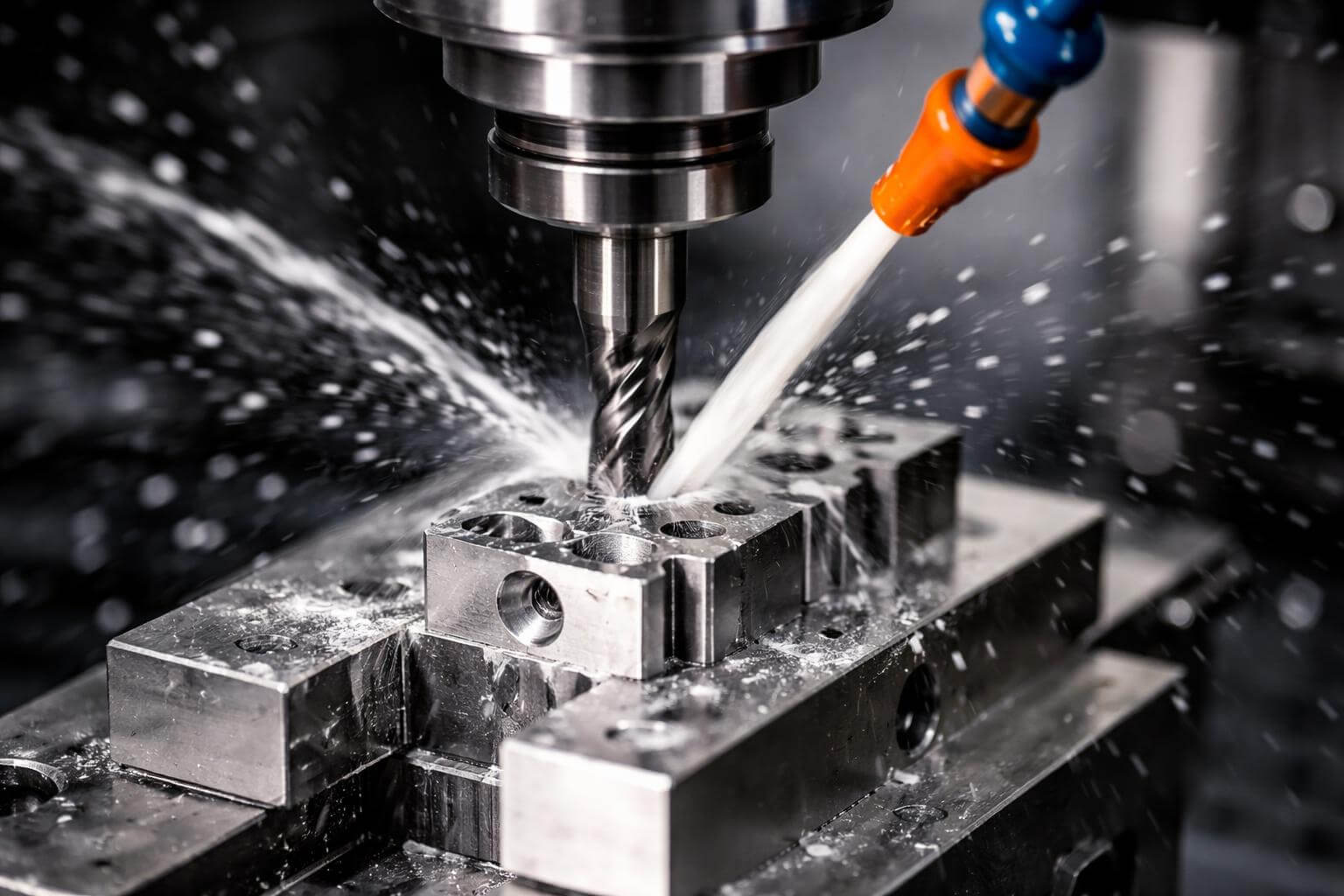
- CNC machining.
- Custom fabrication.
- Precision cutting.
- Assembly support.
- Metal fabrication.
These capabilities allow CMI to tailor the production method to the part and the application. That flexibility helps improve quality while keeping production efficient.
Multi-Industry Knowledge
CMI supports:
- Medical equipment manufacturers.
- Energy infrastructure providers.
- Transportation systems.
- Defense-related industrial applications.
Importantly, Custom Materials Inc. manufactures specialized components and engineered parts, not weapons systems. The focus is on supporting critical infrastructure and technology applications that require dependable performance.
Collaborative Engineering Support
CMI works closely with engineers throughout:
- Design review.
- Material selection.
- Prototype development.
- Production scaling.
This collaborative approach helps customers reduce risk and improve project outcomes. When the fabrication partner understands the application, the final part is more likely to perform as intended.
Where Precision Fabrication Is Headed
Several trends continue to shape component manufacturing in 2026. As systems become smaller, smarter, and more demanding, the need for precision-fabricated parts will only continue to grow.
Medical Technology Miniaturization
Medical systems continue to become:
- Smaller.
- More portable.
- More precise.
This increases demand for tightly toleranced custom components. As devices shrink and performance expectations rise, the role of fabrication becomes even more important.
Grid Modernization
Utilities are investing heavily in:
- Grid upgrades.
- Electrification projects.
- Reliability improvements.
These initiatives require durable fabricated components capable of supporting long service life. Precision parts help keep systems operating reliably under changing energy demands.
Advanced Materials Adoption
Engineered plastics and composites continue replacing traditional materials where:
- Weight reduction matters.
- Corrosion resistance is required.
- Electrical isolation is critical.
That trend creates new opportunities for fabricators who understand how to match material properties to application requirements.
Precision Fabrication for Critical Applications
When reliability, documentation, and engineering precision matter, component quality becomes a strategic advantage.
Custom Materials Inc. helps medical equipment manufacturers, energy providers, transportation organizations, and other high-performance industries solve complex fabrication challenges through engineered plastics, composites, electrical insulation materials, and precision-manufactured components.
Contact our engineering team to review your fabrication requirements.
Frequently Asked Questions
What are precision-fabricated components?
Precision-fabricated components are engineered parts manufactured to exact specifications for applications requiring high reliability, dimensional accuracy, and repeatable performance.
Why are plastics and composites used in medical equipment?
They offer lightweight strength, non-magnetic properties, corrosion resistance, and low X-ray attenuation characteristics that support advanced imaging and patient handling systems.
What medical components can be custom-fabricated?
Examples include MRI coil supports, MRI gradient tubes, body coil components, connectors, spacers, patient positioning parts, and X-ray system components.
How do custom-fabricated components support energy systems?
They provide electrical insulation, structural support, mechanical stability, and durability for transmission, distribution, and power generation equipment.
Why is material traceability important?
Traceability helps manufacturers verify material sources, maintain quality standards, support compliance requirements, and improve overall reliability.