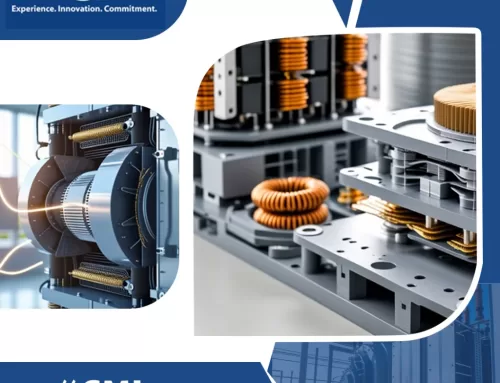

Novel electrode materials play a crucial role in making batteries charge faster, last longer, and store more energy, which helps meet the rising needs of modern devices and electric vehicles. New designs and compounds, such as advanced perovskites, metal oxides, and modified carbons, are showing strong performance as electrodes in tests for batteries, supercapacitors, and fuel cells.

Researchers are focusing on these novel materials because they often have improved electrical conductivity and better stability during repeated charging cycles. These advances could make future advanced materials for energy storage more efficient and reliable.
Key Takeaways
- New electrode materials help improve battery speed and lifespan.
- Ongoing research targets better conductivity and stability.
- Advances support stronger energy storage for vehicles and devices.
Key Properties of Novel Electrode Materials
Novel electrode materials play a key role in the function and reliability of modern batteries. Their design can influence how long a battery lasts, its safety, and how well it performs in different applications.
Impact on Battery Life and Performance
The choice of electrode material directly affects battery life and performance. Materials with high specific capacity, such as lithium nickel manganese cobalt oxides (NMC) or lithium iron phosphate (LFP), can store more energy, leading to longer use between charges.
Fast ion transport within the electrode means a battery can charge quicker and deliver power more rapidly. This is important for devices like electric vehicles and smartphones.
A material’s structure, particle size, and conductivity matter. Small particles and porous structures increase surface area, improving reaction speed and consistency. However, new materials must avoid unwanted side reactions that can decrease usable energy over time.
Key properties that affect battery life and performance:
- High specific capacity (e.g., in mAh/g)
- Good electrical conductivity
- Stable structure during cycling
- Fast ion mobility
Electrochemical Stability Under Stress
Electrochemical stability determines whether an electrode will withstand repeated charging and discharging. Under high voltage, temperature changes, or rapid cycling, some materials can degrade or form unwanted phases.
Stability is often improved with coatings or by choosing elements less likely to react with electrolytes. For example, surface modifications on lithium cobalt oxide or doping elements like aluminum can increase resistance to breakdown.
Testing often involves stress protocols, such as:
- Repeated fast charging cycles
- Operation at elevated temperatures
- Exposure to high cutoff voltages
Materials that break down under these stresses can lose capacity quickly or create safety hazards, so stability under operating conditions is a top concern for novel electrodes.
Interfacial Phenomena and Degradation
Interfaces between electrode materials and electrolytes often limit battery performance and lifespan. Over time, reactions at these surfaces can create layers, such as the solid electrolyte interphase (SEI), which can either protect or hinder the electrode.
Degradation can cause increased resistance, uneven lithium deposition, or even dendrite growth, especially with lithium metal or silicon anodes. These processes reduce battery efficiency and, in some cases, can lead to short circuits.
Major interfacial challenges include:
- Growth of passivating layers
- Accumulation of byproducts
- Mechanical breakdown due to volume changes
Researchers design new electrode materials with coatings, nanostructures, or optimized morphologies to control these effects and maintain reliable battery performance over many cycles.
Materials Design Strategies

Researchers use different design strategies to improve advanced electrode materials. Methods such as alloying, using core-shell structures, and controlling material shape are proven to boost battery performance and cycling stability.
Alloying and Doping Approaches
Alloying is the process of combining metals or metalloids to create compounds with better properties for electrodes. For example, adding silicon or tin to carbon anodes can raise the storage capacity in lithium-ion batteries. However, alloying often leads to large volume changes when the battery charges and discharges, so researchers pair alloying with other strategies to limit material cracking.
Doping introduces small amounts of elements like nitrogen, sulfur, or phosphorus into electrode materials. This enhances electrical conductivity and improves how ions move in and out of the electrodes. Doping can also stabilize the structure and prevent fast degradation over many cycles. Both alloying and doping are critical for making next-generation batteries that last longer and store more energy.
Core-Shell Structures
Core-shell structures use a central “core” material coated with a different “shell” material. This design protects sensitive cores such as silicon or metal oxides from breaking down during battery use. The shell can be made of carbon, polymers, or other metals that allow ions to pass while blocking unwanted reactions.
In practical terms,core-shell electrodes combine the strengths of both materials. The inner core gives high energy capacity, while the shell improves conductivity and structural support. This design is especially helpful for lithium-ion and sodium-ion batteries. Core-shell strategies can also prevent unwanted chemical reactions and extend battery life.
Morphological Engineering
Morphological engineering changes the particle size, shape, or structure of electrode materials. Creating nanowires, hollow spheres, or thin sheets greatly increases the surface area. More surface area means faster reactions and better ion transport.
Engineers can use methods like chemical vapor deposition, hydrothermal synthesis, or templating to achieve specific shapes. For example, small nanoparticles reduce stress from repeated charging and discharging. Unique structures like porous spheres promote fast movement of ions and electrons.
The goal is to improve power delivery, stability, and safety. By designing the right shapes at the microscale and nanoscale, batteries become more efficient and reliable for real-world use.
Types of Novel Electrode Materials

Advanced electrode materials are essential for improving energy storage devices like batteries and supercapacitors. Their unique properties determine how much energy can be stored, how quickly it can be accessed, and how long the devices can last.
Solid-State Battery Electrodes
Solid-state battery electrodes use solid electrolytes instead of liquid or gel types. Lithium-based ceramics and sulfide glass materials are common choices. These materials help increase energy density and improve safety because they are less likely to leak or catch fire.
Lithium garnet (LLZO) and sulfide-based electrolytes allow for higher voltages and better cycle life. They also reduce the chance of dendrite growth, which can cause short circuits in traditional batteries. Some solid-state electrodes even support fast charging because of high ionic conductivity.
Researchers are still working on problems like high resistance at the electrode-electrolyte interface and the need for low-cost materials. The table below shows some examples:
| Material | Key Benefit |
| Lithium Garnet (LLZO) | High conductivity, stable |
| Sulfide Glass | Flexible, processable |
| NASICON-type Ceramics | Durable, safe |
Conducting Polymers and Metal Oxides
Conducting polymers such as polyaniline and polypyrrole store energy through fast redox reactions at their surfaces. These materials are flexible and can be processed into thin films, making them suitable for wearable devices and flexible electronics. They also charge and discharge quickly.
Metal oxides like manganese dioxide (MnO₂) and zinc oxide (ZnO) are important for both batteries and supercapacitors. They offer high capacitance thanks to their ability to undergo multiple oxidation states. MnO₂ is especially popular due to its low cost and environmental friendliness.
A major challenge for both groups is cycle stability. Conducting polymers can degrade over time. Metal oxides often have low electrical conductivity, but combining them with graphene or carbon nanotubes can fix this issue.
Redox-Active Organic Materials
Redox-active organic materials use molecules that can reversibly store and release electrons, such as quinones, anthraquinone, and conductive polymers with tailored side groups. These materials are lightweight and can be made from renewable resources, making them more sustainable.
Organic electrodes can be engineered to work with a variety of ions, including sodium or potassium, not just lithium. This flexibility allows the development of new battery types beyond traditional lithium-ion. One advantage is their potential for low cost and low environmental impact since they don’t rely on scarce metals.
Some current limitations include solubility in the electrolyte, which may reduce cycle life, and lower conductivity compared to inorganic materials. Ongoing research is creating hybrid structures and composites to overcome these barriers and make organic electrodes more practical for energy storage.
Performance Optimization and Characterization
Optimizing the performance of novel electrode materials involves thorough testing and careful material engineering. Both the physical structure and chemical properties affect conductivity, battery life, and stability.
Characterization Techniques for Novel Materials
Researchers utilize advanced characterization of battery electrodes to deeply analyze the structural and chemical properties of novel electrode materials. Techniques such as Scanning Electron Microscopy (SEM) enable high-resolution imaging of surface morphology and defect identification, while X-ray Diffraction (XRD) reveals changes in crystal phases throughout battery operation. Electrochemical Impedance Spectroscopy (EIS) measures ionic resistance and charge transport dynamics, and Cyclic Voltammetry (CV) tracks redox activity and estimates electrode capacity.These approaches provide vital insights into atomic arrangement, material heterogeneity, and degradation mechanisms, accelerating improvements in conductivity, longevity, and safety of lithium-ion battery electrodes.
Cycling Stability Enhancement
Cycling stability is crucial because it determines how long a battery can work without significant loss of capacity. Novel electrode materials often suffer from volume changes and side reactions that can damage structure after repeated charging and discharging.
Researchers use surface coatings, doping with stabilizing elements, and protective layers like solid electrolyte interphases (SEI) to reduce wear. Nanotechnology can help by designing structures that accommodate strain and avoid cracks.
These improvements extend battery lifespan and keep capacity high over many cycles. Testing includes repeated charge/discharge cycles and measuring fading rates to check if new materials offer better durability compared to their traditional counterparts.
Scaling and Manufacturing Considerations
Scaling up novel electrode materials from the lab to industry demands attention to cost, process simplicity, and consistency. Many lab-scale materials are expensive or require complex steps, making them less practical for large production.
Engineers focus on low-cost synthesis, standardization of material quality, and compatibility with existing manufacturing equipment. High packing density and ease of composite formation with binders, like in commercial electrodes, are important to keep performance high while maintaining costs.
Balancing performance features with the ability to produce electrodes at scale ensures that promising innovations do not stay only in research but can be used in everyday devices. Careful planning of manufacturing processes also helps control variability, leading to more reliable battery life and predictable performance.
Applications in Advanced Energy Storage Systems
Novel electrode materials have become important in making batteries, supercapacitors, and flexible devices work better. These new materials help store more energy, improve performance, and allow devices to be lighter or easier to shape.
High-Energy Density Batteries
New electrode materials are being used in lithium-ion, sodium-ion, and solid-state batteries. Materials like graphene, lithium iron phosphate, and metal oxides help increase the energy storage capacity of these batteries. Higher energy density allows phones, laptops, and electric vehicles to last longer before needing to recharge.
Some electrodes use nanotechnology to make surfaces larger and more active. This means ions move faster, so batteries can charge and discharge quickly. These materials also show better stability, which helps batteries last more charging cycles. Researchers test different metals and compounds to make batteries safer and less likely to overheat.
Modern batteries often focus on combining both high energy and safety. Table 1 shows common advanced electrode materials and their benefits:
| Material | Main Benefit |
| Graphene | High conductivity |
| Lithium Iron Phosphate | More cycles |
| Metal Oxides | High capacity |
Supercapacitor Integration
Supercapacitors use novel electrode materials like carbon nanotubes, activated carbon, and graphene. These materials have many small pores, which increase surface area. A larger surface area allows supercapacitors to store more charge and release it almost instantly.
This fast charging and discharging is useful for buses, start-stop systems in cars, and backup power systems. Supercapacitors with new electrodes last longer than batteries because their structure can handle many thousands of cycles. They also work well in low and high temperatures.
List of supercapacitor benefits with novel electrodes:
- Fast energy delivery
- Longer device life
- Low risk of fire or overheating
Wearable and Flexible Devices
Flexible and wearable electronics need electrodes that bend and stretch. Researchers use materials such as flexible polymers, graphene sheets, and metal nanowires. These make it possible for energy storage systems to remain thin, lightweight, and reliable even when moved or bent.
Smartwatches, smart clothing, and fitness bands benefit from these advancements. The electrodes remain effective during movement or skin contact. Some systems even use materials that resist water or sweat, making them more suitable for daily wear.
Flexible electrodes also allow designers to make smaller and lighter devices. This leads to more comfortable products that users can wear for long periods, all while storing enough energy for advanced features.
Frequently Asked Questions
Researchers are focusing on improving electrode capacity, charge rates, and cycling stability using advanced materials and surface modification techniques. Attention is on the integration of nanomaterials, control of surface chemistry, and better ways to measure and scale up new electrode technologies.
What are the latest advancements in high-capacity cathode materials for lithium-ion batteries?
Recent progress centers on new lithium-rich layered oxides, high-nickel NMC and NCA materials, and conversion-type compounds like lithium sulfur and lithium air. These materials offer higher energy storage by allowing more lithium ions to move in and out during charging.
Coating and doping methods help improve stability and lifespan by reducing negative reactions inside the battery. Some new compounds use less cobalt, making batteries safer and less costly.
How do nanomaterials improve the performance of electrodes in energy storage devices?
Nanomaterials like graphene, carbon nanotubes, and metal oxide nanoparticles increase surface area and boost electrical conductivity. This allows for faster charge and discharge and improved energy and power density in batteries and supercapacitors.
They also help create shorter paths for ion and electron movement, making charge storage and delivery more efficient. Nanocomposite materials can also offer better flexibility and mechanical strength.
What are the key challenges in developing scalable synthesis methods for advanced electrode materials?
One major challenge is producing nanostructured materials consistently in large quantities without defects or performance loss. Many lab-scale methods use expensive chemicals or high temperatures, which are not suitable for industry.
Uniformity and cost control remain big concerns. Researchers are developing safer and greener synthesis routes while trying to keep manufacturing simple and affordable.
How does the surface chemistry of electrode materials affect their electrochemical performance?
Surface chemistry impacts charging speed, stability, and capacity retention. The presence of functional groups or coatings can reduce side reactions that degrade materials, while improving compatibility with electrolytes.
Engineered surfaces may enhance ability to store charge through extra active sites and allow better interaction with lithium ions or other charge carriers. However, poor surface control can cause unwanted reactions or reduce efficiency.
What role do solid electrolyte interphases play in the stability of novel electrode materials?
Solid electrolyte interphases (SEI) form naturally on many battery electrodes during use. They act as protective layers, stopping more harmful side reactions between the electrode and the electrolyte.
A stable SEI allows for repeated cycling by keeping the electrode intact and improving lifespan. Unstable or poorly formed SEI can lead to rapid capacity loss, swelling, or even battery failure.
Which techniques are most effective for characterizing the electrochemical properties of new electrode materials?
Common methods include cyclic voltammetry, galvanostatic charge-discharge, and electrochemical impedance spectroscopy. These tests measure how well electrodes hold, give up, and move charge.
Microscopy techniques like SEM and TEM help reveal material structure at the nanoscale. X-ray diffraction and spectroscopy offer insight into phase changes and chemical composition during battery cycling.