
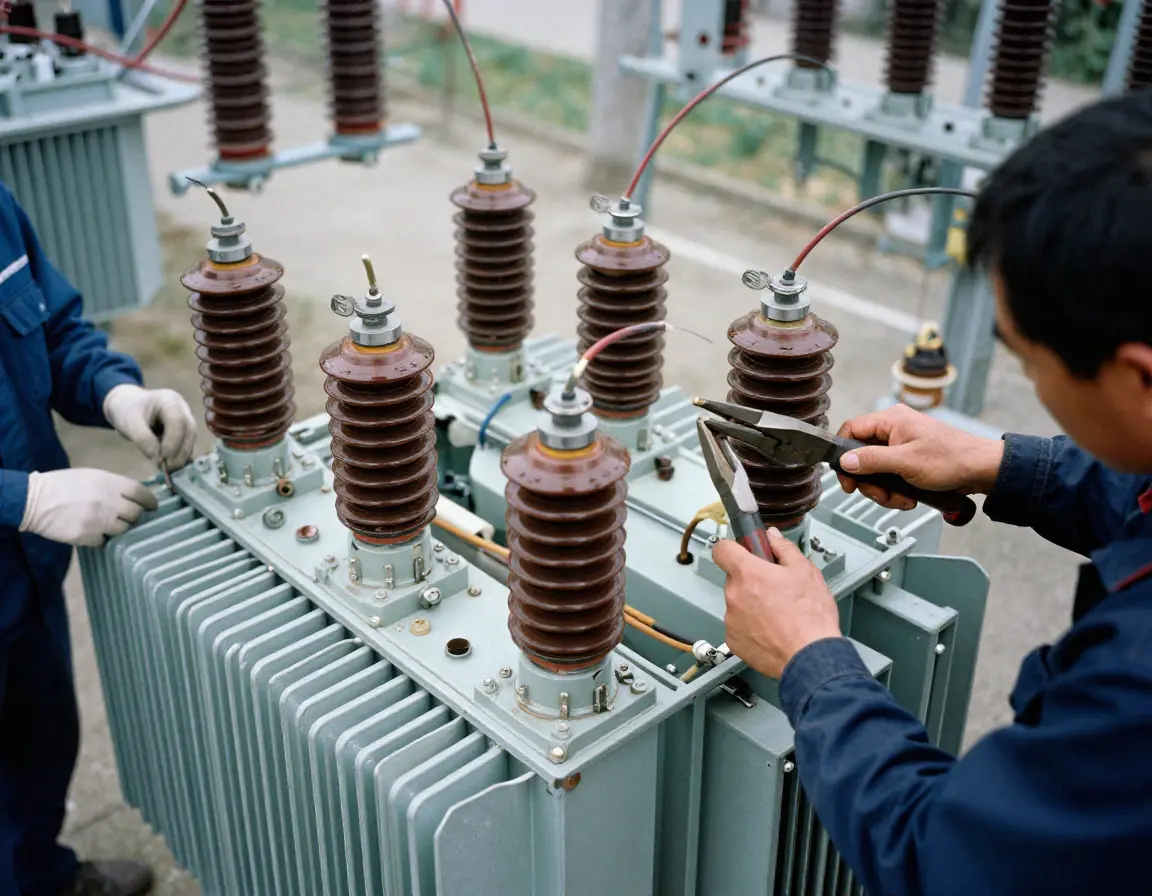
High-temperature superconductors conduct electricity with zero resistance at or near liquid nitrogen temperatures (~77 K). This allows cooling systems that are more practical and cost-effective than liquid helium–based systems used by conventional superconductors. As a result, high-temperature superconductors support real-world engineering applications, including power grids, MRI machines, fusion reactors, maglev trains, and electrical generators. Rare-earth barium copper oxide (REBCO) currently leads high-temperature superconductor technology. Its layered ceramic structure is integrated into engineered coated conductors that maintain high current density under strong magnetic fields and mechanical stress.
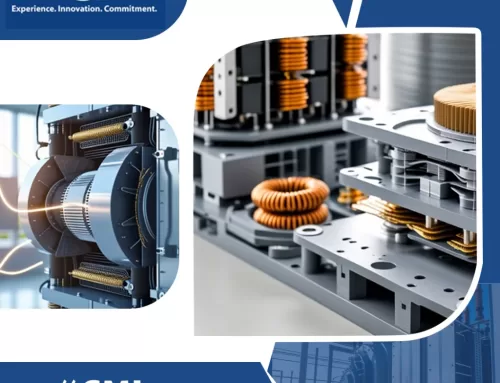
Custom Materials Inc. (CMI) has manufactured advanced composite insulation for generators and motors, converting mechanical and electrical energy. CMI supports power generation with stator wedges, rotor creepage blocks, slot cells, and NEMA Class H solutions, enabling 50% loss reductions.
Key Takeaways
- High-temperature superconductors operate at affordable liquid nitrogen temperatures (77K) for practical cooling.
- They cut transmission losses by 50% vs copper cables while shrinking high-power devices 50%.
- By 2030, high-temperature superconductors will dominate grids, MRI, maglev, and fusion with scalable manufacturing.
High-Temperature Superconductivity Explained
High-temperature superconductivity arises when electrons form bound, coherent pairs that move through a material without scattering, eliminating electrical resistance and expelling magnetic fields (the Meissner effect). Unlike conventional phonon-mediated s-wave pairing, high-temperature superconductors use d-wave symmetry driven by strong electron correlations in layered CuO2 planes. Flux pinning traps magnetic vortices, sustaining high Jc in fields.
Critical parameters—Tc (>77K), Hc, Jc—define limits. Vortex physics demands engineered pinning for practical devices like fusion magnets and MRI systems.
Unique Properties of High-Temperature Superconductors
High-temperature superconductors excel in:
- Ceramic Layered Lattices & Anisotropy: CuO plane conduction requires precise alignment.
- High Critical Current Density (Jc): Massive currents without quenching for compact devices.
- Strong Flux Pinning: Barium Zirconate Nanorods stabilize high-field states.
- Liquid Nitrogen Cooling: 77K reduces Helium Costs.
These enable 50% smaller high-power systems for grids and propulsion.
Engineering Applications of High-Temperature Superconductors
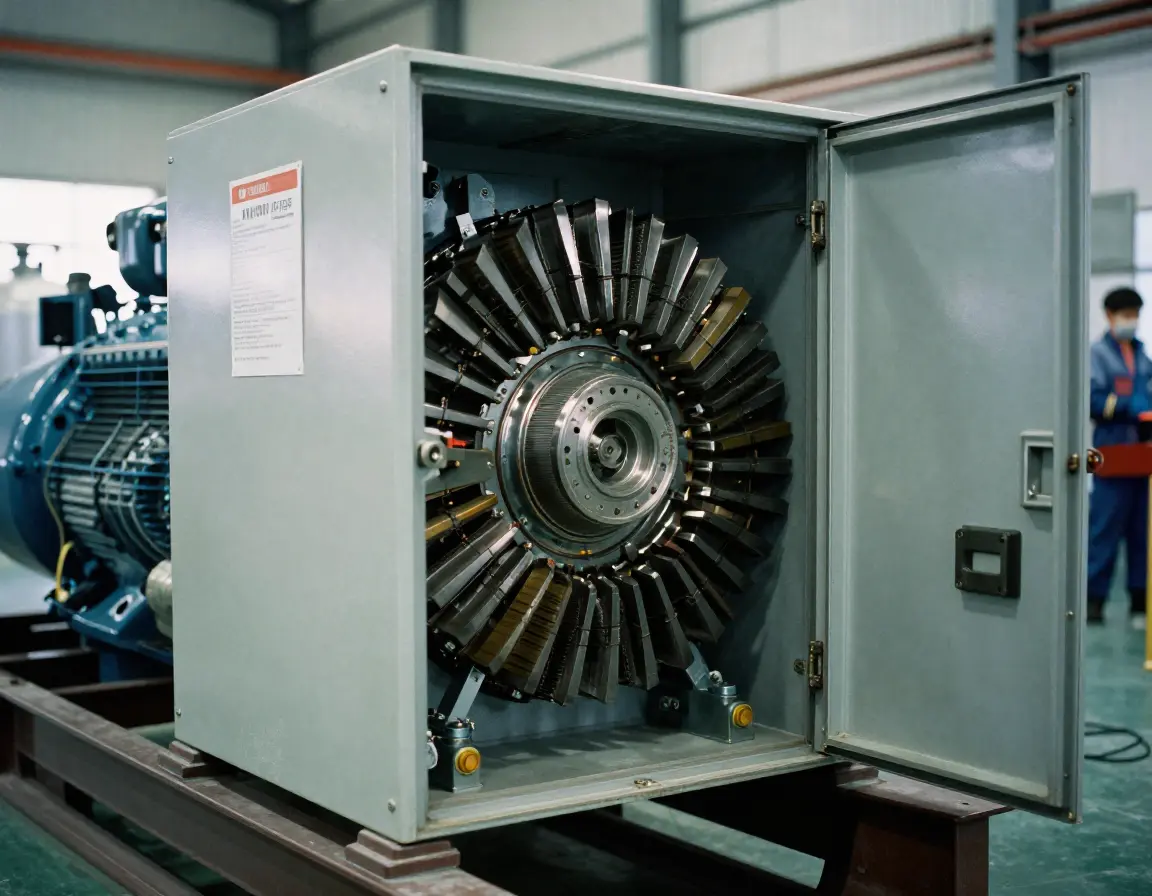
High-temperature superconductors excel in engineering applications, delivering energy savings, high power density, and superior device efficiency.
- Power Grids – Superconducting cables, fault current limiters, and transformers cut transmission losses. REBCO tapes enable stable high-current operation in urban/long-haul grids. CMI supports this via transmission distribution expertise: high-density pressboard, winding kits, flux shunts (yoke/tank shielding from Westinghouse), low voltage bushings (1.2-1.5kV, 1500-5400A in Bis-A epoxy), pressure rings, tap changers, arc interrupters, and step blocking for oil-filled power transformers.
- MRI Technology – High-field magnets provide compact, high-resolution imaging at liquid nitrogen cooling costs. Flux pinning ensures reliable designs. CMI aids medical applications with precision composites.
- Fusion Energy – REBCO magnets confine plasma using durable, high-intensity fields, advancing commercial reactors.
- Maglev Transport – Low-loss motors and levitation systems drive efficient, high-speed travel. CMI supplies transportation components like phase insulation.
- Power Generation Tie-In – High-temperature superconductors pair with generators, converting mechanical-electrical energy.
Since 1964, CMI has supplied OEM/repair components, reducing transformer hot spots and losses—flux containment devices yield single-digit efficiency gains over decades. Their filament-wound glass rings shrink sizes/costs, bridging high-temperature superconductors with practical infrastructure.
Recent Advances in Superconducting Materials Technology
2025 drives superconducting materials technology forward:
- Pulsed Laser Deposition (PLD) – Creates high-quality REBCO films with precise microstructures for peak Jc in generators.
- Nano-Engineered Flux Pinning – Artificial centers enhance high-field stability under rotor stress.
- Flexible high-temperature superconductors Fabrication- Coated conductors and metal-organic deposition yield bendable tapes for motor installations.
- Iron-Based Superconductors – Strong Jc with superior mechanics diversifies scalable options beyond brittle ceramics.
Challenges and Future Outlook
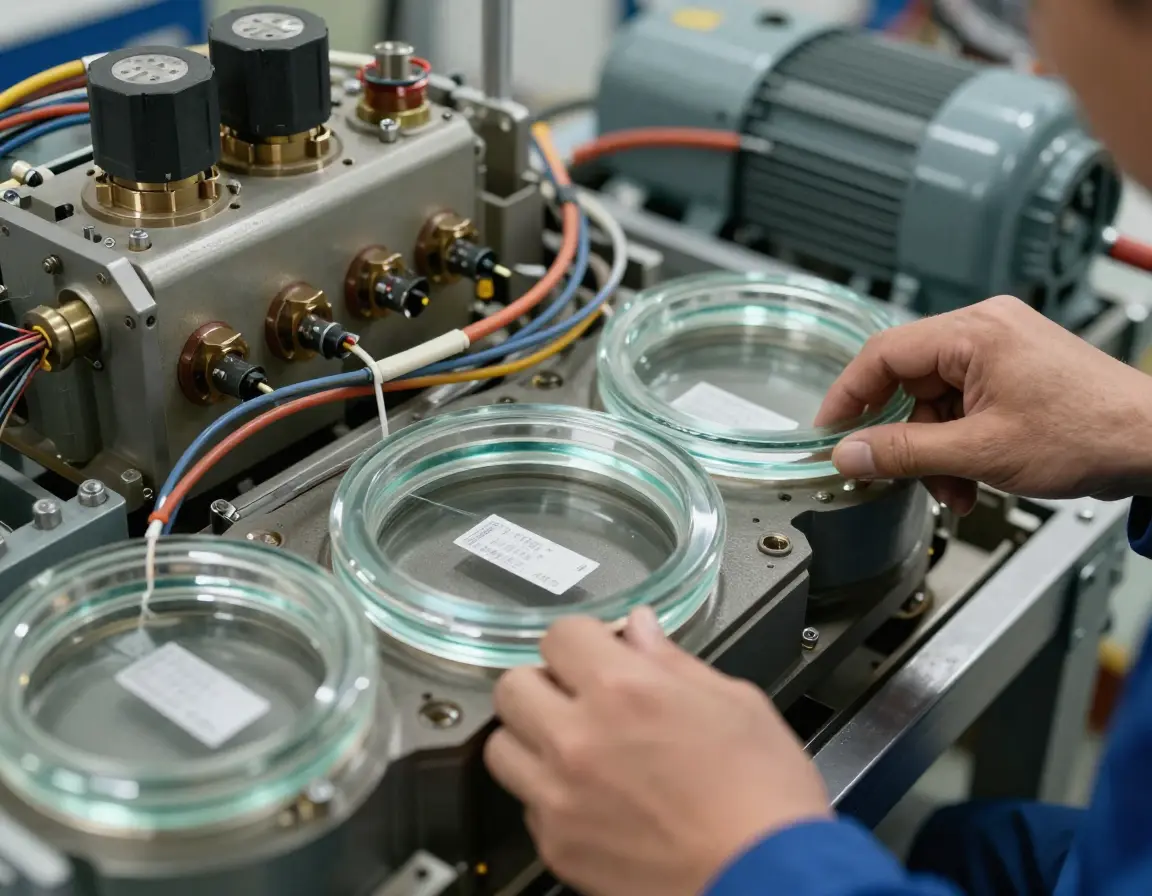
Brittleness, manufacturing costs, and cryogenic needs challenge high-temperature superconductors. Long, defect-free tapes are essential for power grids, fusion reactors, and transport systems. Mechanical strain and thermal cycling also limit performance in demanding environments.
Research in 2025 focuses on improving conductor flexibility, increasing flux pinning efficiency, and exploring iron-based or hybrid superconductors. Scaling up production and optimizing nano-engineered materials is making high-temperature superconductors increasingly viable for real-world applications.
Emerging trends suggest that high-temperature superconductors will play an expanding role across multiple industries, including energy, medical imaging, transport, and advanced research systems. These materials are expected to support wider grid penetration, more compact and efficient medical devices, and next-generation fusion reactors, driving sustainability and high-performance infrastructure over the coming decade.

FAQs
At what temperature does superconductivity occur?
Superconductivity happens below a material’s critical temperature (Tc). High-temperature superconductors work at liquid nitrogen temperatures around 77K (-196°C). Conventional ones need liquid helium near absolute zero (4K). This makes high-temperature superconductors practical for power grids and MRI machines.
What have superconductors ever done for us?
Superconductors power MRI machines worldwide, particle accelerators, fusion experiments, maglev trains, grid cables/fault limiters, and ultra-sensitive SQUIDs. High-temperature superconductors expand these into commercial grids and transport.
Why are high-temperature superconductors important?
High-temperature superconductors operate at liquid nitrogen temperatures (77K), using cheap cooling instead of scarce helium. They enable zero-loss power grids, compact MRI magnets, efficient maglev trains, and fusion reactors—cutting energy waste 50% and shrinking devices.
What are high-temperature superconductor applications in 2025?
High-temperature superconductors advance fusion magnets for compact reactors, power grid cables cutting 50% losses, helium-free MRI systems, and efficient wind turbine motors via scalable REBCO tapes.