High-Temperature Superconductors Matter for Modern Power Systems
Every time electricity travels through traditional copper wires, some of it is lost as heat. This resistance reduces efficiency, limits capacity, and increases long-term infrastructure costs for utilities and governments.
High-temperature superconductors offer a fundamentally different approach. These materials allow electricity to flow with zero resistance, eliminating heat loss and enabling significantly higher power density. Custom Materials Inc. (CMI) drives this scaling through precision components like flux shunts and pressboard, as detailed in our composites for grid modernization. The promise is enormous—but widespread deployment depends less on scientific discovery and more on engineering execution.
This article explains:
- What high-temperature superconductors are
- The primary engineering challenges limiting real-world adoption
- How precision materials and component design are already enabling grid-ready systems
What Drives High-Temperature Superconductivity?
High-temperature superconductors are materials that conduct electricity with zero electrical resistance at temperatures achievable using liquid nitrogen (77 Kelvin or −320°F), rather than liquid helium cooling required by conventional superconductors.
This temperature threshold dramatically reduces cooling complexity and operating cost, making large-scale power applications commercially viable.
Why Engineering (Not Physics) Is the Limiting Factor
The underlying science of high-temperature superconductors is well established. What limits deployment today is mechanical reliability, thermal stability, and manufacturing precision under real-world operating conditions.
Three engineering challenges consistently determine success or failure.
Challenge 1: Brittle Ceramic Conductors Fail Under Mechanical Stress
The problem
Most high-temperature superconductor systems rely on ceramic-based conductors like REBCO tapes. These materials fracture or degrade at strain levels as low as 0.3-0.5%, making them vulnerable during cable manufacturing, installation, and underground routing. Even microscopic damage can interrupt superconductivity across an entire transmission line.
The solution
High-dielectric pressboard insulation systems are used to mechanically stabilize superconducting conductors while maintaining electrical isolation.
Key performance characteristics include:
- Dielectric strength exceeding 40 kilovolts per millimeter
- Structural cushioning that distributes mechanical strain
- Compatibility with underground and confined installations
This approach enables underground transmission lines capable of carrying up to five times the electrical capacity of copper cables, without resistive heating.
Challenge 2: Extreme Temperature Cycling Damages Electrical Interfaces
The problem
High-temperature superconductors operate at cryogenic temperatures (~77K or -196°C / -320°F) and cycle to ambient, causing seals, joints, and interfaces to crack or leak from thermal expansion mismatch. Thermal fatigue ranks among the top failure modes in superconducting cables and magnets.
The solution
Cryogenic-rated epoxy bushings engineered for repeated thermal cycling provide stable electrical connections between cold superconducting environments and standard grid equipment.
Validated performance includes:
- Survival through more than 2,000 thermal cycles
- Voltage handling from 1.2 to 1.5 kilovolts
- Current capacity up to 5,400 amperes
- Zero detectable helium leakage under mass-spectrometry testing
This reliability allows superconducting systems to integrate safely with existing power infrastructure.
Challenge 3: Magnetic Fields Reduce Superconducting Performance
The problem
Strong magnetic fields—particularly those exceeding 15 tesla—can significantly reduce the current-carrying capability of high-temperature superconductors. This limitation is especially critical in generators, motors, and rotating machinery.
Without structural stabilization, magnetic forces can destabilize conductors and reduce efficiency.
The solution
High-performance stator wedge systems designed for extreme magnetic and thermal environments secure conductors under intense field exposure.
Engineering capabilities include:
- Stability in magnetic fields exceeding 20 tesla
- Thermal endurance from cryogenic temperatures to 180°C
- Mechanical locking that prevents conductor movement
These solutions enable generators that are up to 50 percent smaller than traditional copper-based designs while maintaining equivalent output.
Everyday Problems Compared to Superconductor Engineering Solutions
| Everyday Experience | Engineering Challenge | Precision Solution |
| Cracked phone screen | Ceramic conductor fracture | High-dielectric structural insulation |
| Frozen pipes bursting | Thermal expansion damage | Cryogenic-rated electrical bushings |
| Magnet seizing machinery | Field-induced performance loss | High-strength stator stabilization |
Real-World Applications Already in Operation

Underground Power Transmission
European utility pilot programs have demonstrated measurable grid-level energy savings, with long-term return on investment projections under 20 years. These systems operate reliably in confined underground corridors where traditional cables are thermally constrained.
Compact Power Generation
High-temperature superconductors enable wind and marine generators to produce equivalent power at roughly half the size of copper-based machines. Reduced mass improves efficiency, installation logistics, and maintenance access.
Advanced Transformer Design
Superconducting transformer systems use pressure-containing structures and arc-control components to safely manage cryogenic windings, allowing for smaller footprints without compromising reliability.
Advanced grid solutions showcase how Custom Materials’ components, like flux shunts and high-density pressboard, enable these advances. Since 1964, these innovations have consistently cut hot spots and boosted transformer efficiency by single digits over decades.
Manufacturing Precision Determines System Success
In superconducting systems, a single defect can compromise an entire installation. Manufacturing tolerances must be far tighter than those used in conventional power equipment.
Critical quality controls include:
- Automated optical inspection capable of detecting defects at parts-per-million scale
- Insulation systems validated above industry dielectric standards
- Cryogenic sealing verified at operating temperature
- Accelerated thermal aging exceeding 10,000 cycles
Reliability depends on consistency, not theoretical performance.
Engineering Components That Enable Reliability
High-Dielectric Pressboard Systems
- Dielectric strength exceeding 40 kilovolts per millimeter
- Continuous thermal rating up to 220°C
- No performance degradation at cryogenic temperatures
- Used in superconducting cable insulation and transformer barriers
Cryogenic Electrical Bushings
- Voltage ratings from 1.2 to 1.5 kilovolts
- Current capacity up to 5,400 amperes
- Validated through thousands of thermal cycles
- Certified leak-free under helium testing
Explore for proven pressboard, bushings, and stator solutions driving HTS grid deployment today.
Where High-Temperature Superconductors Are Headed Next
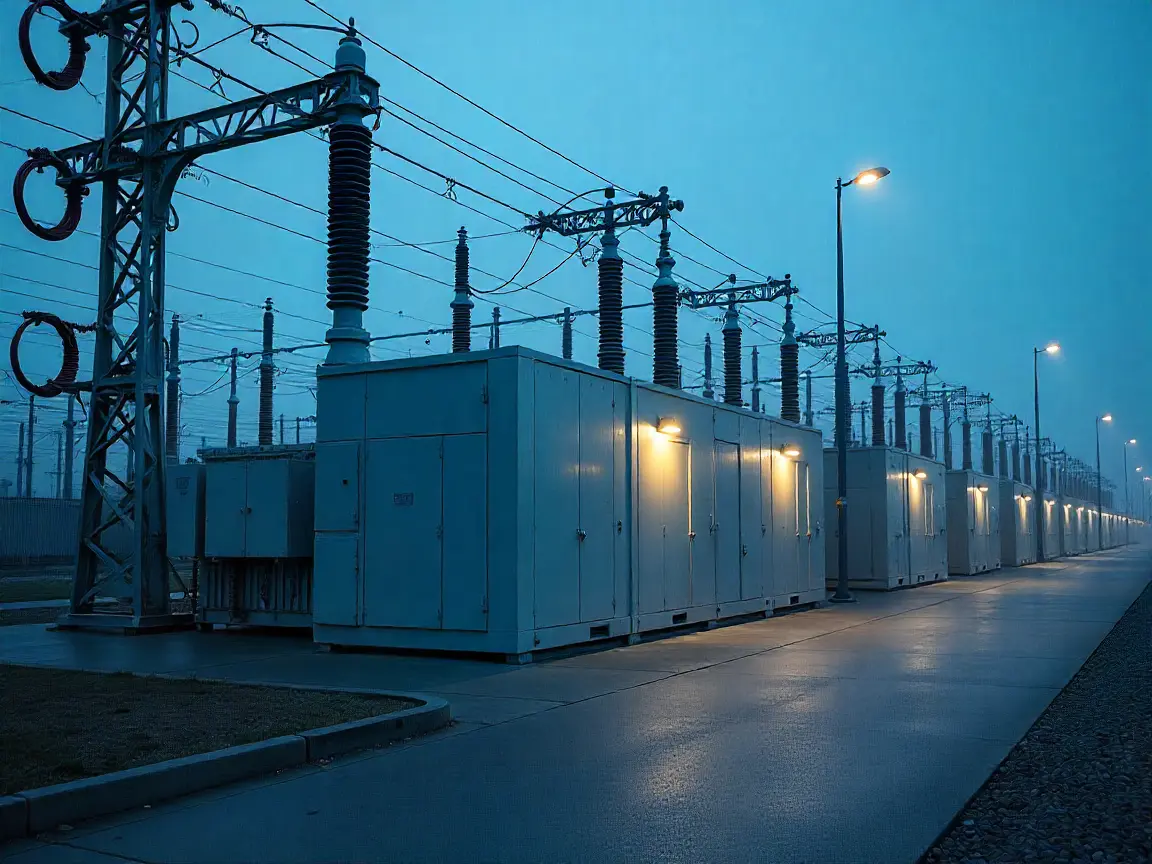
High-temperature superconductors are no longer constrained by scientific uncertainty. Their future depends on engineering reliability, materials validation, and disciplined manufacturing.
As utilities and infrastructure developers evaluate next-generation power systems, superconducting solutions are increasingly moving from experimental installations to permanent deployment.
The systems that succeed will not be defined by novelty—but by components engineered to perform consistently under cryogenic reality.
Frequently Asked Questions
What are high-temperature superconductors, and why are they commercially viable?
High-temperature superconductors are materials that conduct electricity with zero resistance at temperatures achievable using liquid nitrogen (77 Kelvin or −320°F), instead of liquid helium required by conventional superconductors. This makes cooling much cheaper and simpler, enabling practical deployment in power grids and industrial applications.
What engineering challenges limit the widespread adoption of high-temperature superconductors?
The primary barriers to adoption are:
- Mechanical fragility of ceramic conductors, which fracture under low strain
- Thermal cycling damage, as repeated cryogenic-to-room temperature changes stress seals and interfaces
- Magnetic field sensitivity, which reduces current-carrying capacity in strong fields
- Ultra-tight manufacturing tolerances, where even minor defects can cause system failure
Why was the 1986 discovery of high-temperature superconductors significant?
The 1986 discovery demonstrated superconductivity at temperatures far above absolute zero, achievable with liquid nitrogen rather than liquid helium. This breakthrough reduced cooling costs by over 95% and unlocked the potential for large-scale, real-world power applications.
How do high-temperature superconductors improve energy efficiency and infrastructure?
High-temperature superconductors enable zero-resistance electricity transmission, reducing energy losses, shrinking the size of generators and transformers, increasing urban transmission capacity, and providing long-term cost savings for utilities and industrial users.
What real-world applications are already using high-temperature superconductors?
High-temperature superconductors are currently used in:
- Underground power transmission allows higher capacity per kilometer
- Compact wind and marine generators, reducing size and material use
- Advanced transformers, which safely manage cryogenic windings in smaller footprints
These deployments demonstrate the engineering feasibility and long-term return on investment of high-temperature superconductor systems.