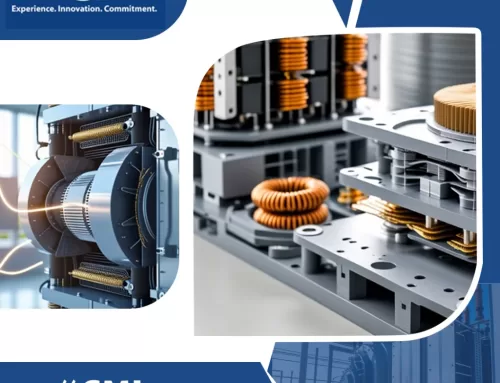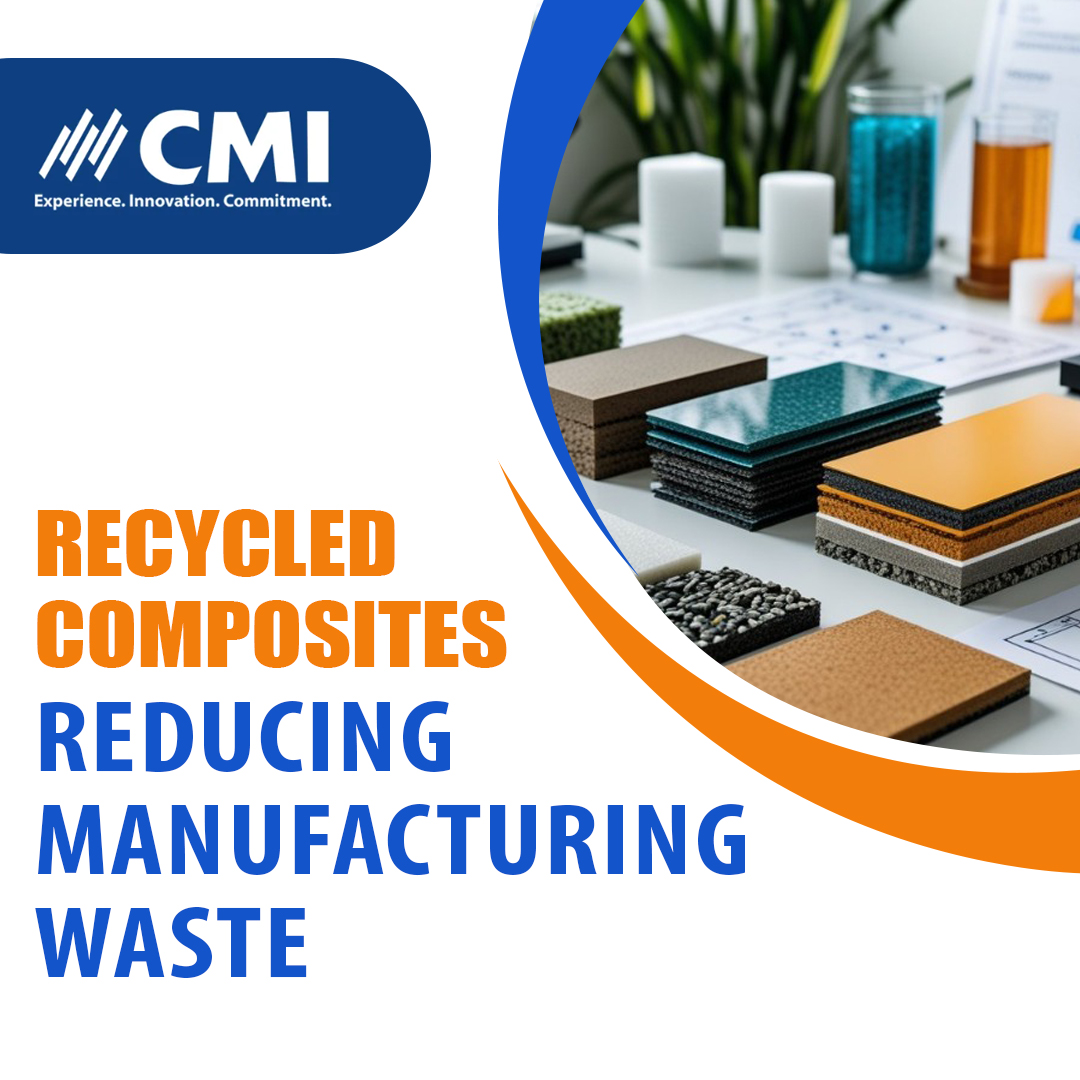

Breakthroughs in advanced materials are transforming energy storage, making batteries more efficient, longer-lasting, and safer than ever before. Companies and researchers are exploring nanoceramics, hybrid battery materials, and innovative composites to meet growing demands for sustainable, robust energy solutions. These advancements pave the way for next-generation batteries used in everything from electric vehicles to renewable energy grids.
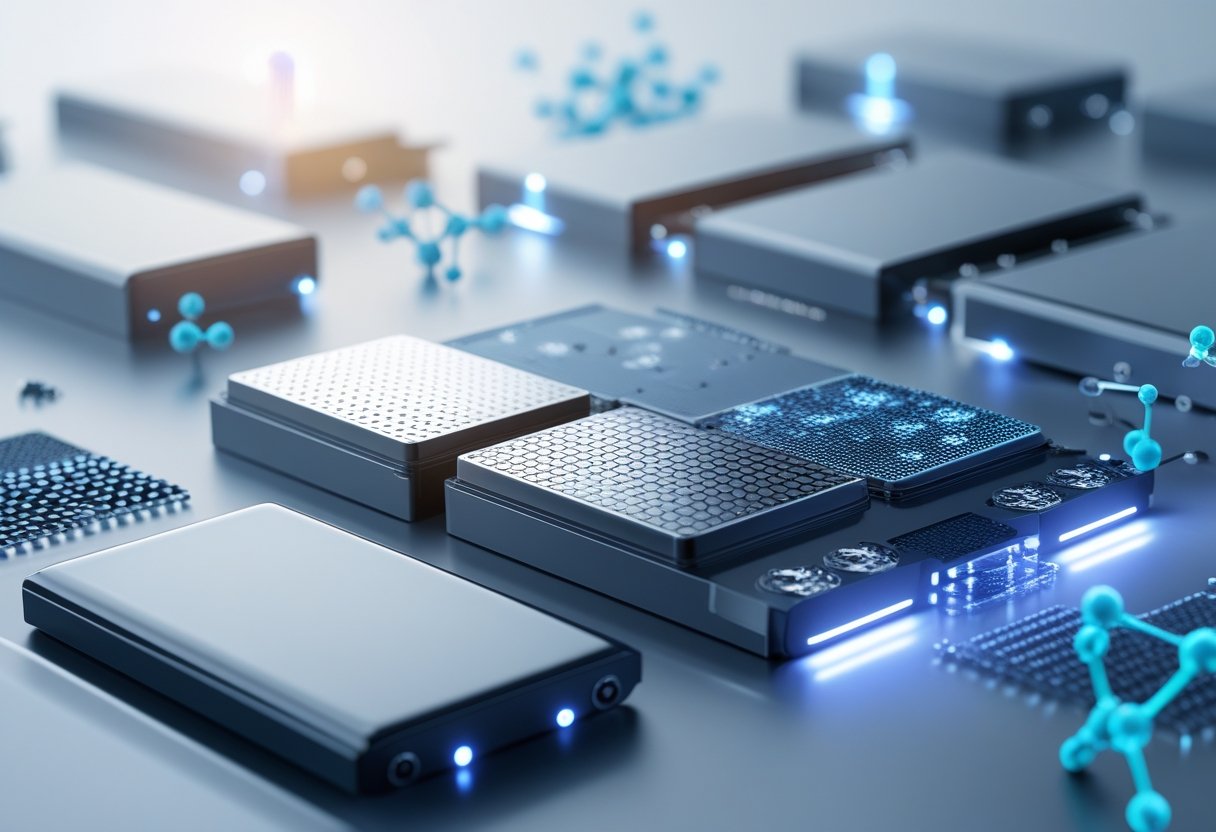
Nanoceramics provide exceptional advantages like enhanced ionic conductivity and thermal stability, directly improving battery efficiency and safety. Hybrid materials and composite structures combine the strengths of multiple compounds, significantly advancing the performance and durability of modern batteries. Custom Materials Inc. (CMI) utilizes decades of industry knowledge and engineering expertise to deliver custom-fabricated composites and insulating components tailored for power generation and energy storage, offering value-added engineering support and creative, cost-effective solutions.
Key Takeaways
- Advanced materials are vital for enhancing energy storage.
- Nanoceramics and composites boost battery performance and safety.
- New trends are shaping the future of energy technology.
Overview of Advanced Materials for Energy Storage
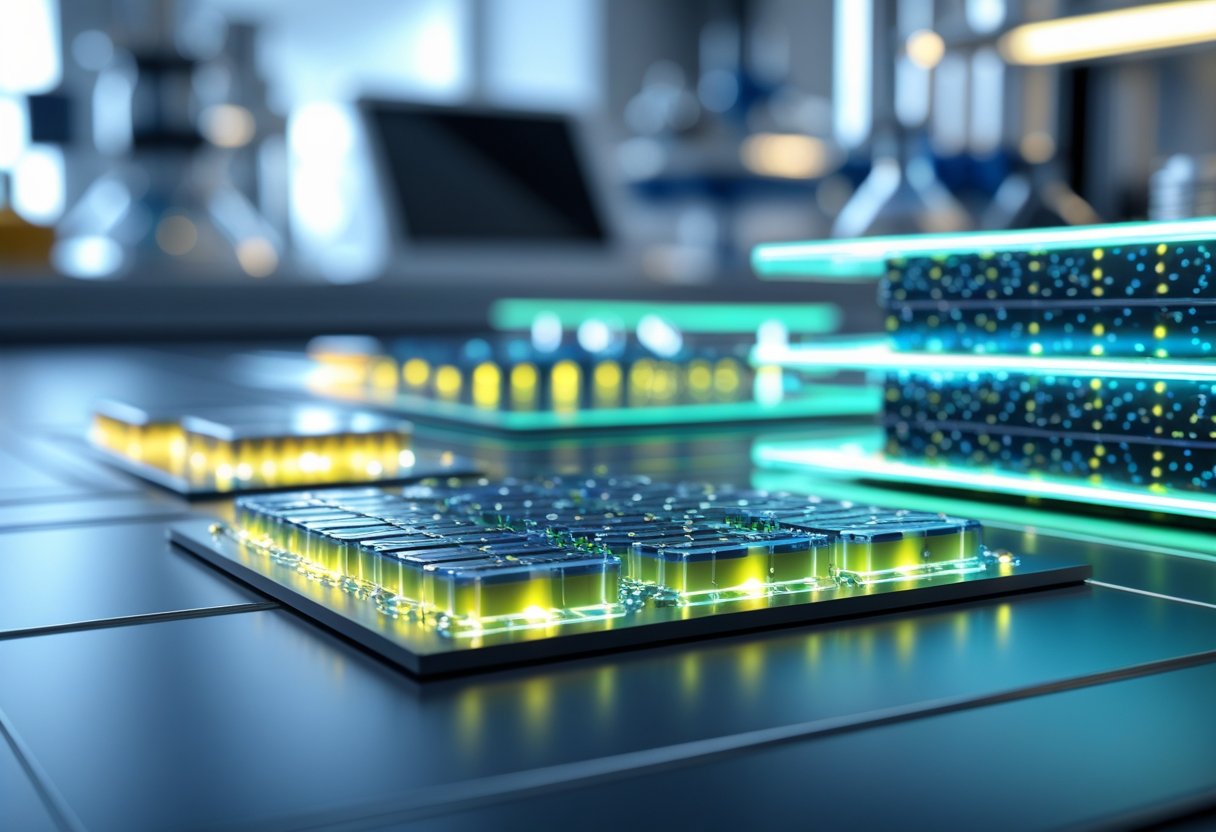
Advanced materials, such as nanoceramics and composite materials, transform how batteries store and deliver energy. Their properties directly impact capacity, safety, charging speed, and the usable lifetime of energy storage systems.
Role of Material Innovation in Battery Technology
Materials science drives battery performance and reliability. Researchers focus on producing new compounds and mixing different materials to address challenges, including faster charging, higher storage, and better safety features.
For example, nanoceramics consist of ceramic particles at the nanoscale, giving batteries improved strength, temperature stability, and ionic conductivity. This is crucial for batteries used in electric vehicles and portable electronics. Hybrid battery materials that mix ceramics with polymers create safer electrolytes and enable flexible battery designs.
Advanced ceramics also support the move to solid-state batteries, which can operate at higher voltages and reduce fire risks. Many of these materials are designed for specific needs, such as high energy density or performance in different temperatures.
Key Performance Metrics for Energy Storage Materials
When selecting materials for energy storage, several metrics are considered most important:
- Energy Density: Measures how much energy a battery can store for its size or weight. Higher energy density means longer device run times.
- Power Density: Indicates how quickly energy can be supplied or absorbed. High power density supports fast charging and quick bursts of energy.
- Cycle Life: The number of times a battery can be charged and discharged before its capacity drops below a set level.
- Safety: Materials must resist overheating, fires, or leaks.
- Cost and Availability: The expense of producing materials and how easy they are to obtain.
Advanced materials like nanoceramic fillers or ceramic-polymer electrolytes can increase mechanical strength, improve lifespan, and support safer operation.
Classification of Battery Material Types
Battery materials fall into several main categories:
| Material Type | Common Use | Properties |
| Lithium-based compounds | Li-ion, solid-state batteries | High energy density, long cycle life |
| Nanoceramics | Electrolytes, electrodes | Stability, ionic conductivity, safety |
| Polymer-ceramic composites | Flexible, solid-state batteries | Flexible, enhanced mechanical strength |
| Metal-organic frameworks | Novel electrodes, capacitors | Tunable structures, high surface area |
| Transition metal oxides | Cathodes, anodes | High capacity, improved charge-discharge rate |
Materials are chosen based on how they meet the needs for energy density, cycle life, and safety. Emerging trends point to the increased use of nanoceramics and hybrid materials in next-generation batteries for better performance and reliability.
Nanoceramics for High-Performance Batteries
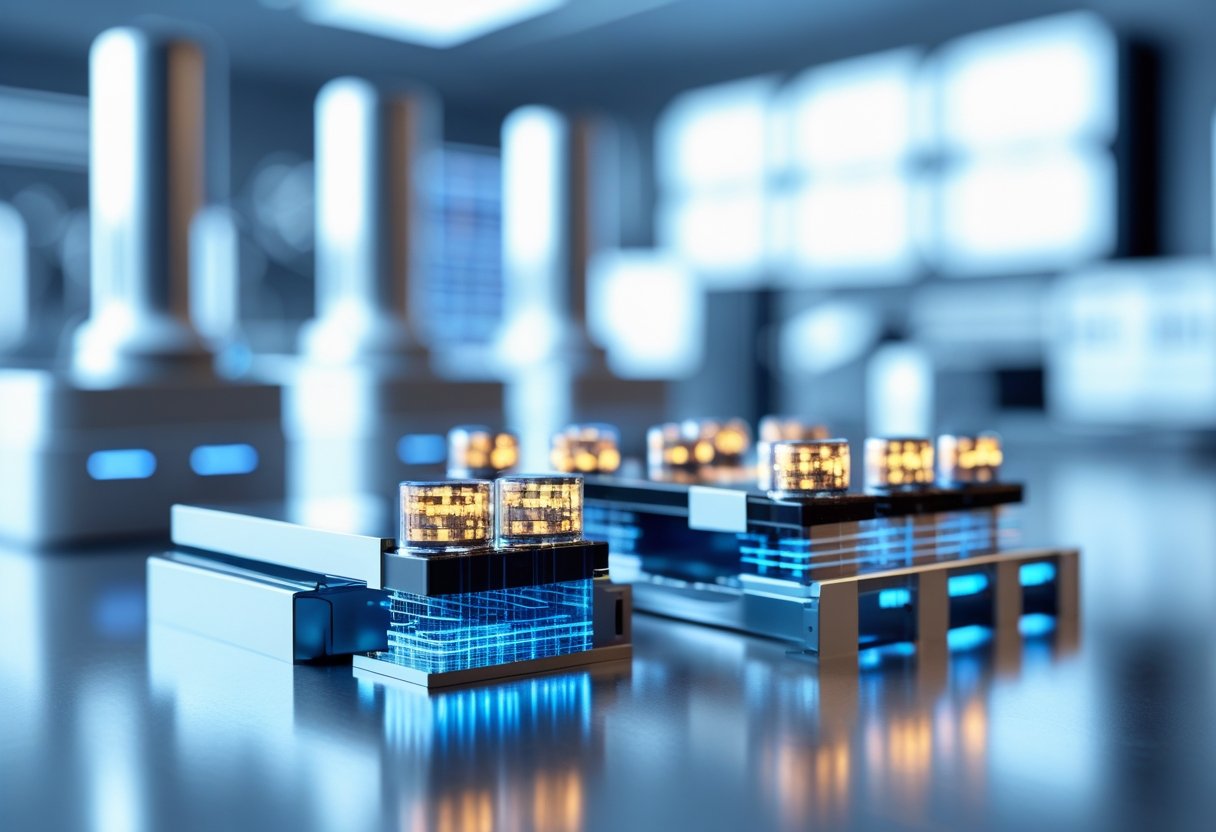
Nanoceramics are shaping the future of energy storage by improving battery life, boosting charge speeds, and providing safer performance. These materials allow batteries to work better at high and low temperatures and last longer after many charge cycles.
Synthesis Methods for Nanoceramics
Nanoceramics are made using several main techniques, each suited for different materials and uses. The sol-gel process is standard, letting scientists control particle size by adjusting solution chemistry. This method is valued for simplicity and the ability to create uniform nanoparticles.
Hydrothermal synthesis involves reacting materials under pressure and heat. This makes it easier to produce nanoceramics with unique shapes, like rods or spheres, which change their performance.
The solid-state route heats powders of different chemicals together, making sturdy nanoceramic particles. Some use spray pyrolysis, where a liquid is sprayed into a hot chamber and turns into tiny ceramic powders. Each method benefits cost, scale, and producing different properties in the final product.
Electrochemical Properties of Nanoceramics
Nanoceramics stand out for their high ionic conductivity and thermal stability. This allows batteries to charge faster and deliver more power without overheating. Many nanoceramic materials can block dendrite growth, which improves safety by preventing short circuits.
The large surface area of nanoceramic particles helps create more pathways for lithium or sodium ions to move within the battery. This supports greater energy storage and better cycling stability, so performance doesn’t drop quickly.
The table below shows some essential electrochemical properties:
| Property | Benefits for Batteries |
| High ionic conductivity | Faster charging/discharging |
| Thermal stability | Safer operation |
| Dendrite suppression | Longer life, fewer failures |
| Stable interfaces | Maintains performance |
Applications in Lithium-Ion and Solid-State Batteries
Lithium-ion batteries use nanoceramics as coatings or blends in the electrodes and separators. These ceramics help handle heat, limit side reactions, and increase the battery’s lifespan. They are also used as solid electrolytes, pushing the shift toward all-solid-state battery designs.
For solid-state batteries, nanoceramics replace liquid electrolytes, removing fire risks and letting batteries work in more demanding conditions. Nanoceramics can boost stability and performance in energy storage devices, making batteries safer and more reliable for electric cars and large-scale energy storage.
Nanoceramics, when mixed with polymers or other materials, also benefit hybrid batteries. This blend provides a good balance between flexibility, safety, and performance. Nanoceramic advances are key to more powerful and safer next-generation batteries.
Advanced Ceramics in Energy Technology
Advanced ceramics change energy storage by providing high stability, improved ion transport, and long-term durability. Their unique physical and chemical properties make them promising for efficient battery performance and safer operation.
Properties of Advanced Ceramics for Batteries
Advanced ceramics, such as oxide and sulfide-based materials, offer high ionic conductivity and thermal stability. These properties help batteries maintain performance even under high heat or stress.
Such ceramics are often corrosion-resistant, allowing them to last longer than conventional materials. Their low reactivity reduces unwanted side reactions, making batteries safer.
Main properties:
- High temperature stability
- Excellent mechanical strength
- Low electrical conductivity (as separators or electrolytes)
- Resistance to chemical degradation
Research continues to improve ceramics through nanostructuring and composite design, which can optimize their conductivity and strength. These advances make ceramics a strong choice as both solid electrolytes and protective coatings in next-generation batteries.
Implementation in Next-Generation Battery Devices
Ceramic materials are being used as solid electrolytes in solid-state batteries. This helps improve safety by removing flammable liquid electrolytes.
Nanoceramics are also being developed as part of composite electrodes. Their fine structure allows for better contact between materials, which increases battery capacity and charging speed. These nanomaterials have influenced the development of batteries and renewable energy devices.
Hybrid battery designs now use ceramics mixed with polymers, creating flexible and resilient systems for portable electronics and electric vehicles. As fabrication methods improve, more battery types will rely on advanced ceramics for stable and efficient energy storage.
Trends and Innovations in Energy Storage Materials
New energy storage materials are changing battery technology and increasing efficiency. Developers use advanced ceramics, nanomaterials, and composite materials to improve performance and make batteries last longer. Industry leaders like Custom Materials, Inc. are at the forefront of applying these material innovations, providing advanced insulation solutions for power generation that support the reliability and efficiency of modern energy systems.
Emerging Materials for Battery Applications
Researchers are developing nanoceramics and ceramic nanocomposites for lithium-ion, sodium-ion, and lithium-sulfur batteries. These advanced ceramics can boost conductivity and stability, making batteries safer and more durable. Nanoceramic materials also help resist heat and reduce the risk of short circuits.
Innovative hybrid materials blend ceramics with other materials like polymers or graphene. This can improve charge and discharge rates while preventing damage from repeated charging cycles. Ceramic-based electrodes lead to better batteries for grid-level storage, electric vehicles, and portable electronics. Current trends also focus on combining these materials for higher storage capacity and better cycling performance, as seen in developments like ceramic–ceramic nanocomposite materials.
Sustainability and Lifecycle Considerations
Energy storage materials are increasingly being designed with environmental impact in mind. Researchers are working to lower resource use by creating materials that use fewer rare or toxic metals. Many advanced ceramics require less mining than traditional metals, which helps reduce the carbon footprint.
Lifecycle planning now includes making batteries easier to recycle and reuse. New energy storage materials are being chosen for their ability to be reprocessed or broken down safely at the end of their life. Modern designs also focus on making batteries last longer, which reduces waste and supports a circular economy.
Frequently Asked Questions
New advancements in materials science are making battery systems faster, safer, and more reliable. Developments in nanoceramics, hybrid materials, composites, and advanced ceramics are changing how energy is stored and used.
What innovations in nanoceramics are impacting battery technology?
Nanoceramics are helping batteries store energy more efficiently and last longer. Tiny ceramic particles allow batteries to charge faster and reduce the risk of overheating. Their unique structures help improve safety and boost overall battery performance.
Recent breakthroughs in nanoceramics for batteries are used in lithium-ion batteries, solid-state batteries, and new experimental systems.
How do hybrid materials improve the performance of energy storage systems?
Hybrid materials combine different elements, such as ceramics and polymers. These combinations allow batteries to work at higher temperatures and resist damage better.
Some hybrid battery materials can store more energy and deliver power more smoothly, supporting higher performance and longer life for devices and electric vehicles.
What trends are defining the future of energy storage materials?
Researchers focus on materials that can store more power in smaller spaces and last through many charging cycles. Safety and lower costs are also primary goals. Many are exploring renewable or sustainable options to reduce environmental impact.
The future includes advances in ceramic nanocomposite materials, solid electrolytes, and new types of composite electrodes.
What roles do composite materials play in the development of advanced batteries?
Composite materials use a mix of two or more different substances to create batteries that perform better than those made from a single material. These composites can improve conductivity and mechanical strength.
They are common in modern batteries for energy storage applications, helping devices last longer and operate more safely.
How is advanced ceramic technology transforming energy storage solutions?
Advanced ceramics are used to build safer battery components that handle higher temperatures and prevent failures. They enable batteries to be used in demanding situations, such as electric cars and grid storage for renewable energy.
Ceramic membranes and electrodes offer greater stability and performance compared to older materials.
What are the advantages of using innovative battery materials in modern energy storage?
Using new battery materials can improve energy density, which means more power in smaller or lighter devices. These innovations also lead to faster charging, better safety, and lower costs.
Some of the most advanced battery materials are also more environmentally friendly, addressing concerns about the planet.