Modern electrical systems are more compact, powerful, and complex than ever—and that puts insulation under increasing pressure. Insulation failure is one of the dominant failure modes in rotating machines and power systems, contributing directly to unexpected shutdowns, safety risks, and costly downtime. Thermal aging and incompatible material combinations can quietly degrade insulation over time, compromising both performance and safety if they are not carefully engineered and tested as a system.
For engineers and technical buyers, the takeaway is clear: the right electrical insulator materials are not just a cost line—they are a critical reliability and safety decision. From aerospace electronics and industrial drives to consumer devices, well‑chosen insulation prevents arcing, protects components from heat and moisture, and supports long‑term uptime. This guide covers core insulation concepts, the properties that matter most, where insulators deliver the greatest impact, and why partnering with a specialized provider like Custom Materials can help reduce risk and enhance performance across your applications.
Custom Materials, Inc., is committed to providing innovative, high‑quality insulating materials that meet the demands of modern technology and global industries, combining material science, fabrication capabilities, and application expertise to keep systems protected and running reliably.
What Are Electrical Insulator Materials?
Electrical insulating materials are designed to resist the flow of electric current, preventing unintended paths that can cause short circuits, arcing, or equipment failure. They are used to separate conductive parts, shield sensitive components, and maintain safe clearances in everything from motors and transformers to circuit boards and cable assemblies.
Common categories include:
- Polymers and plastics: Lightweight materials such as polyimides and engineered thermoplastics that balance dielectric strength with mechanical flexibility.
- Composites and laminates: Layered materials (for example, fiberglass‑reinforced laminates) that combine structural strength with electrical and thermal resistance for demanding environments.
- Films and coatings: Thin, high‑dielectric layers used in windings, electronics, and compact assemblies where space is limited.
Regardless of the form, the purpose remains the same: create a stable, durable barrier that keeps electrical energy where it belongs while withstanding real‑world operating conditions.
Why Insulation Fails—and Why That Matters
A significant share of electrical equipment failures originates in insulation degradation, especially under thermal and electrical stress. In low‑voltage rotating machines, many failures are directly linked to stator‑winding insulation, underscoring the critical importance of insulation health to uptime. Even when individual materials are properly rated, combinations that are not validated as a system can age faster than expected, raising failure risks.
Key drivers of insulation failure include:
- Thermal aging: Elevated temperatures accelerate chemical and physical changes in insulation, reducing dielectric properties and mechanical strength.
- Electrical stress: Fast switching, high slew rates, and partial discharges can rapidly erode insulation in modern power‑electronic‑rich systems.
- Moisture and contamination: Humidity, oil, dust, and chemicals can alter surface resistance, promote tracking, or weaken interlayer bonds.
- Mechanical and environmental cycling: Vibration, expansion and contraction, and extreme temperature cycles create microcracks and interface damage that accumulate over time.
When these factors are not carefully considered during material selection and system design, insulation may appear adequate at first but degrade prematurely in the field, leading to unplanned maintenance, reduced efficiency, and safety concerns.
Properties That Define High‑Performance Insulators
Choosing an electrical insulator is not just about picking a material from a chart; it requires understanding the properties that govern real‑world performance. Several characteristics consistently determine whether an insulator will protect or fail under load:
- Dielectric strength: The ability to withstand electric fields without breakdown. Higher dielectric strength supports more compact designs and higher voltages safely.
- Thermal endurance: The capacity to maintain electrical and mechanical properties over time at the operating temperature, often evaluated through standardized thermal aging tests.
- Moisture and chemical resistance: Stability when exposed to humidity, oils, coolants, or solvents common in industrial and aerospace settings.
- Mechanical integrity: Resistance to cracking, delamination, or wear under vibration, shock, and thermal cycling.
- Surface and volume resistivity: The ability to prevent leakage currents along surfaces and through bulk material, reducing tracking and partial discharge risk.
Ignoring the interplay of these factors—such as combined thermal, electrical, and mechanical stresses—can lead to overly optimistic lifetime estimates. System‑level testing and careful material matching are therefore essential in safety‑critical applications.
Where Electrical Insulators Make the Most Impact
Electrical insulators underpin reliability in a wide range of sectors, often in ways that are invisible until something goes wrong.
- Aerospace and aviation: Lightweight, high‑temperature‑resistant composites and films protect avionics, power electronics, and wiring in extreme temperature and vibration environments. Insulation must maintain integrity under rapid altitude and thermal changes, with little margin for error.
- Automotive and EV systems: Insulators in batteries, inverters, and sensor harnesses must tolerate high voltages, thermal cycling, and road vibration while supporting compact packaging.
- Industrial machinery and drives: Motors, transformers, and power converters rely on robust insulation systems to withstand thermal loads, voltage surges, contamination, and long operating hours.
- Electronics and power supplies: Thin‑film dielectrics and rigid insulators guard against creepage and clearance issues on densely packed boards, especially under transient and surge conditions.
In applications such as wind turbines and rotating machines, insulation degradation can progress from initial defects to full failure within a very short time, making preventive design and monitoring essential. That reality drives the need for carefully engineered insulators that are tested, validated, and matched to the application—not just nominally rated.
How Studies Inform Better Insulator Choices
Research on insulation aging and failure offers practical guidance for engineers selecting materials and designing systems. Several recurring themes emerge:
- System‑level evaluation is critical: Testing complete insulation systems, rather than isolated materials, reveals interactions that can accelerate aging and change expected lifetime.
- Fast‑switching electronics intensify stress: Higher switching frequencies and slew rates in modern power electronics can dramatically accelerate insulation aging if not accounted for in design and material selection.
- Thermal degradation drives many failures: Long‑term exposure to elevated temperatures significantly alters electrical properties, reducing breakdown strength and overall reliability.
- Condition monitoring is increasingly important: Early-stage degradation often precedes catastrophic faults, creating an opportunity for predictive maintenance when materials and systems are selected and designed with monitoring in mind.
Together, these insights support a design philosophy that prioritizes robust, well‑characterized insulation materials, collaborative engineering, and partners who understand how real‑world stresses interact over time.
Why Engineers Choose Custom Materials for Insulator Solutions
The choice of material partner becomes a key strategic decision. Custom Materials, Inc. focuses on helping customers translate reliability requirements into practical, manufacturable insulation solutions that perform under field conditions. Several strengths stand out:
- Versatile forms to fit every application
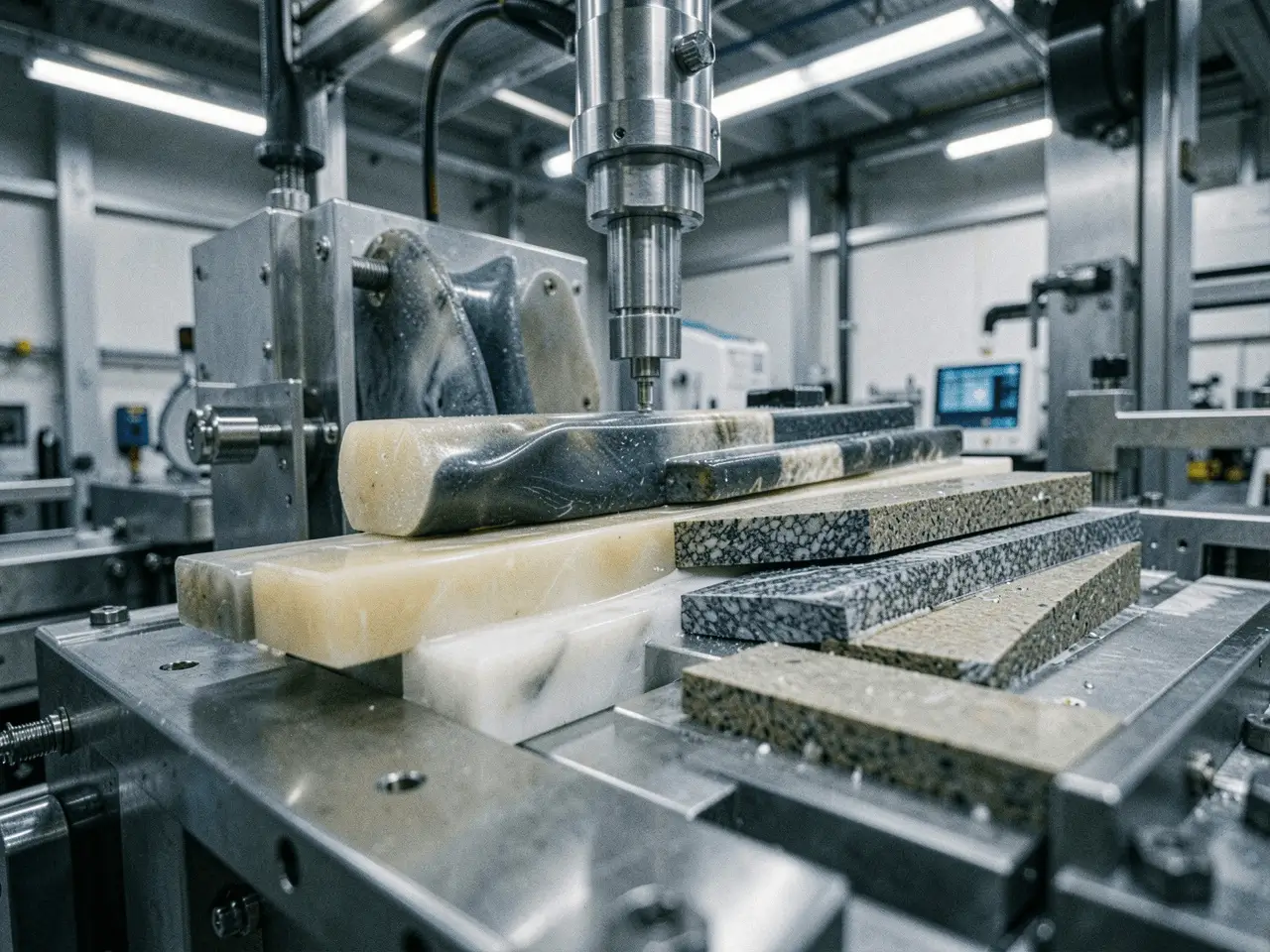
Custom Materials supplies electrical insulators in a variety of forms—sheets, rolls, precision‑cut parts, and complex shapes—making it easier to integrate the right material into your specific design. This versatility supports everything from aerospace and automotive systems to consumer electronics and industrial machinery, helping teams avoid compromises driven by form‑factor limitations. - Materials designed for extreme conditions
The company focuses on insulators that withstand extreme temperatures, moisture, and electrical loading over time. By prioritizing thermal endurance, dielectric strength, and environmental resistance, these solutions help reduce the risk of accelerated aging and unexpected failures in demanding environments. - Tailored solutions for unique requirements
Insulation performance depends heavily on the specific combination of materials and stresses, not just on an individual material’s datasheet rating. Custom Materials specializes in tailored solutions—adjusting shapes, thicknesses, and material combinations to match each project’s electrical, thermal, and mechanical profile. This customization improves fit, reduces redesigns, and makes lifetime behavior more predictable. - Global reach with personalized service
While clients operate worldwide, the company’s approach remains hands‑on, with close collaboration to ensure each solution is practical, cost‑effective, and delivered on time. For organizations balancing global supply chains and tight schedules, this blend of reach and responsiveness helps keep projects moving without sacrificing quality or engineering rigor.
Collaboration and Engineering Support at Custom Materials
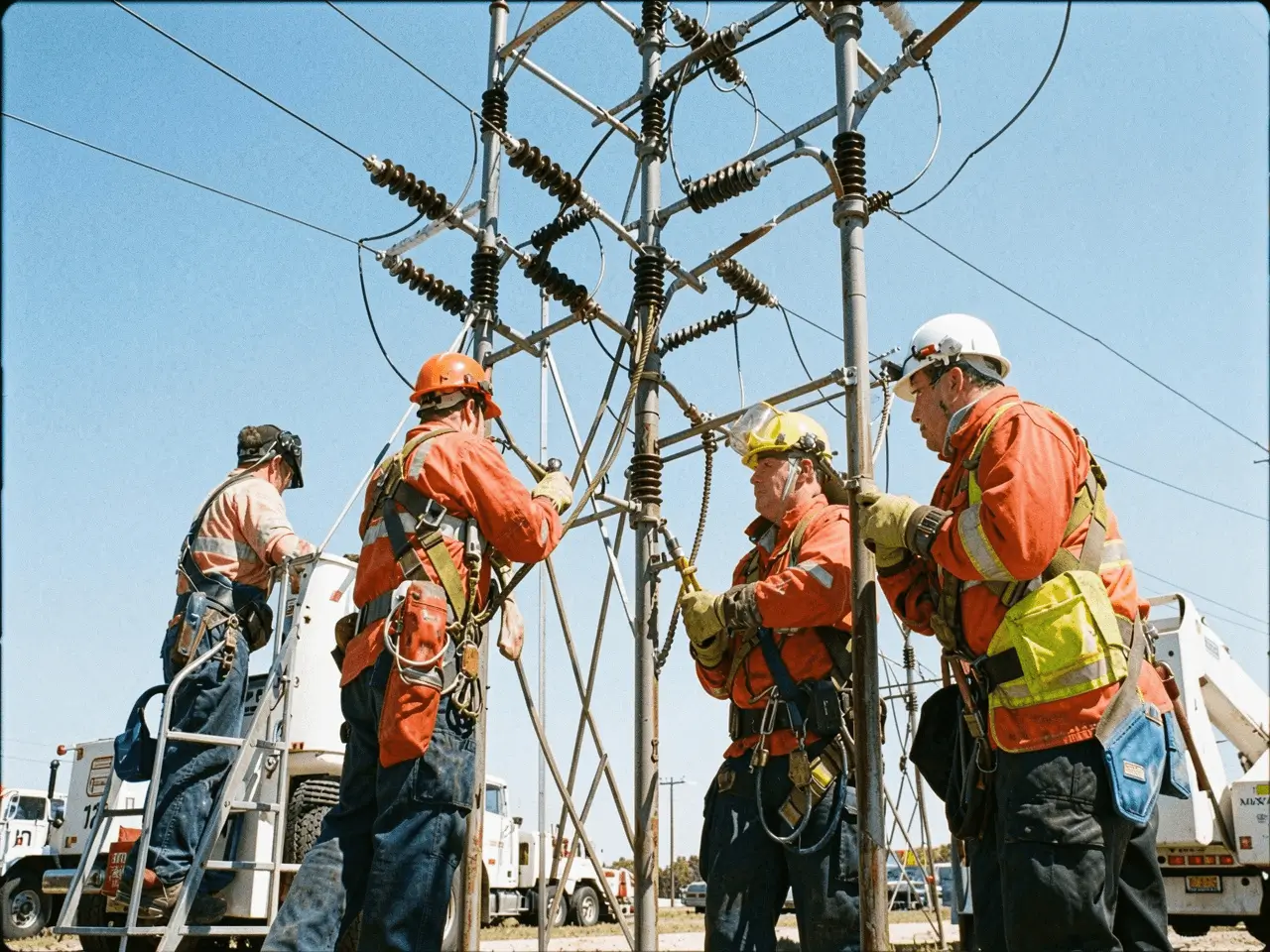
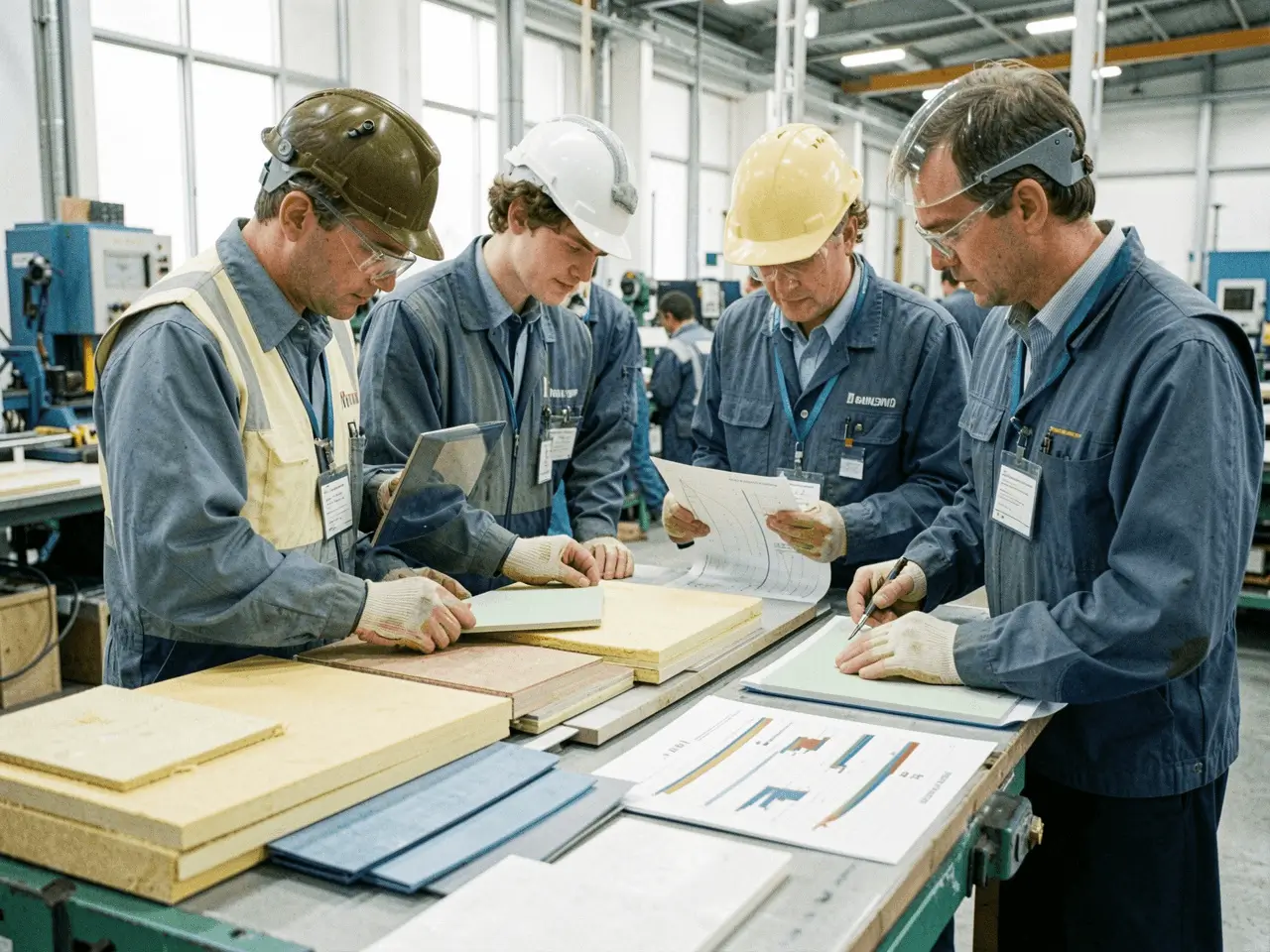
Because so many variables influence insulation performance, projects benefit from early and ongoing collaboration between design teams and material experts. Custom Materials builds this into its process:
- Design and requirement review: Aligning insulation choices with voltage levels, creepage and clearance needs, temperature ranges, and environmental conditions.
- Prototyping and iteration: Providing sample parts quickly so teams can validate fit, function, and performance before committing to large‑scale production.
- Testing and qualification support: Helping ensure that materials and configurations meet relevant standards and internal specifications, supporting audits, certifications, and long‑term reliability goals.
- Scaling to production: Transitioning smoothly from prototype quantities to full production runs, maintaining consistent quality and traceability.
This engineer‑guided approach reflects what insulation research has made clear: success is rarely about a single parameter; it is about the way materials, environments, and operating conditions intersect over time.
Partnering with Custom Materials for Reliable Insulation
Electrical insulating materials sit at the intersection of safety, uptime, and performance, and ongoing research continues to demonstrate their critical role in the reliability of modern systems. By focusing on proven materials, tailored designs, and engineering collaboration, Custom Materials, Inc. helps organizations translate complex requirements into practical solutions that withstand real‑world stresses.
For high‑quality electrical insulator materials backed by expertise and worldwide reliability, partner with Custom Materials, Inc. to support your next aerospace, automotive, electronics, or industrial project. Reach out to discuss your requirements and explore insulating solutions designed to protect your systems—and your reputation—for the long term.
Frequently Asked Questions About Electrical Insulator Materials
What materials are used for electrical insulators?
Electrical insulators are commonly made from materials such as ceramics (like porcelain), glass, polymers, composite laminates, and specialized plastics. Each material is selected for its high electrical resistance, mechanical strength, and ability to withstand heat, moisture, and environmental stress in specific applications.
What are electrical insulating materials?
Electrical insulating materials are substances that resist the flow of electric current and prevent unintended conduction paths. They are used to separate conductive parts, protect components from arcing and leakage, and maintain safe clearances in systems such as motors, transformers, cables, and circuit boards.
What are 5 electrical insulators?
Five widely used electrical insulators include porcelain, glass, rubber, plastic (such as PVC or polyimide), and air. These materials each have high resistivity and are used in applications ranging from overhead lines and substations to wire and cable insulation and electronic assemblies.
What is the best electrical insulator material?
There is no single “best” electrical insulator; the ideal material depends on the application. For example, ceramics and glass are excellent for high‑voltage outdoor environments. At the same time, advanced polymers and laminates are often preferred for compact electronics, aerospace systems, and industrial machinery, where weight, thermal performance, and mechanical strength are critical.
How does an insulator keep electrical currents at bay?
An electrical insulator prevents current by offering very high resistance to electron flow. Its molecular structure prevents charge from moving freely, keeping current confined to the intended conductive paths. This prevents short circuits, arcing, and leakage, helping electrical systems operate safely and reliably.