Some components face requirements that standard catalog materials cannot reliably meet. Chemical exposure, temperature, mechanical loads, electrical insulation, dimensional stability, and assembly conditions can all push a general-purpose material past its limits, and the effects often show up as poor fit, early wear, or inconsistent production.
For Custom Materials Inc. (CMI), the answer starts with the application. The company provides custom material solutions through material expertise, engineering support, prototype fabrication, and custom manufacturing, helping engineers identify the materials and fabrication approaches matched to how a component will actually be used. Engineering and design choices made early in the design process often decide whether a fabrication project runs smoothly.
Key Takeaways
- Standard materials may not meet strict chemical, thermal, mechanical, or electrical requirements.
- Custom material solutions match material properties and fabrication methods to the actual application.
- Material selection affects component performance, dimensional stability, assembly fit, and long-term reliability.
- Custom Materials Inc. supports custom material solutions through engineering review, material expertise, prototype fabrication, and custom manufacturing.
When Standard Materials Fall Short
Off-the-shelf materials are usually selected for general-purpose use, not for specialized operating conditions. In specialized applications, they may underperform in situations such as:
- Continuous heat or thermal cycling
- Chemical exposure
- High mechanical loads
- Electrical insulation requirements
- Tight dimensional tolerances
- Long-term wear or environmental exposure
Material selection affects both component performance and production consistency. A material that works in a catalog description may not hold up in the part, the assembly, or the environment. Modern fabrication gives engineers more options than ever, but those options only help when the material fits the job.
What Are Custom Material Solutions?
Custom material solutions are engineered material and fabrication approaches developed around a component’s actual operating requirements. Depending on the application, that can mean selecting an alternative material, modifying a fabrication method, combining materials, or developing a component around specific performance needs.
CMI works with engineered plastics, composites, electrical insulation materials, metals, and subassemblies. The goal is application-specific materials and engineered material solutions that match what the part has to do, rather than what is most readily available. Whether the work involves metal parts, metal components, or custom parts in other materials, customization starts with the requirements, not the catalog.
Key Requirements That Shape Material Selection
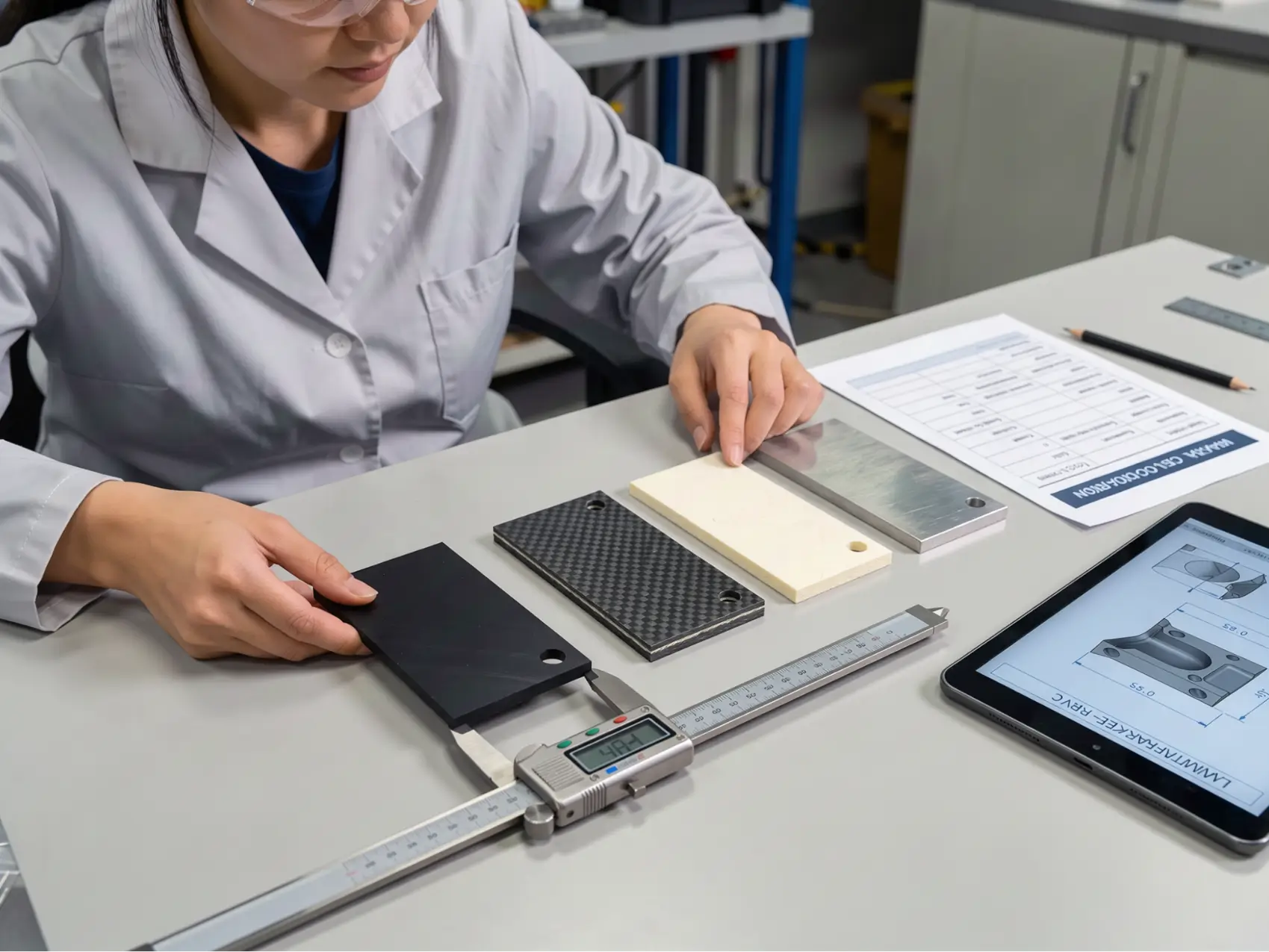
Every application has its own set of demands. Seven categories typically shape which material makes sense:
- Chemical resistance: Exposure to fuels, solvents, cleaning agents, moisture, or industrial chemicals.
- Thermal performance: Operating temperature, thermal cycling, heat deflection, and dimensional stability.
- Mechanical performance: Impact, compression, tension, fatigue, abrasion, and load-bearing requirements.
- Electrical requirements: Insulation, dielectric strength, tracking resistance, and electrical isolation.
- Dimensional requirements: Tolerances, fit, warpage, and stability over time.
- Environmental exposure: UV, humidity, salt, vibration, temperature extremes, and corrosion resistance.
- Fabrication requirements: Machinability, formability, bonding, assembly, and production volume.
No single material is ideal for every requirement. The goal is to balance performance, manufacturability, and cost for the specific application. Even among metals, different types of metal vary in corrosion resistance, durability, and structural integrity, which is why material selection comes before fabrication.
Steps in the Custom Fabrication Process: How CMI Selects Materials
CMI combines material expertise with engineering support and custom fabrication capabilities. The process is practical and follows five steps:
- Review the application. Understand the component’s function, environment, loads, and failure risks.
- Evaluate material options. Compare engineered plastics, composites, insulation materials, and metals against the requirements.
- Assess fabrication feasibility. Determine whether the material can be cut, machined, formed, molded, or assembled efficiently.
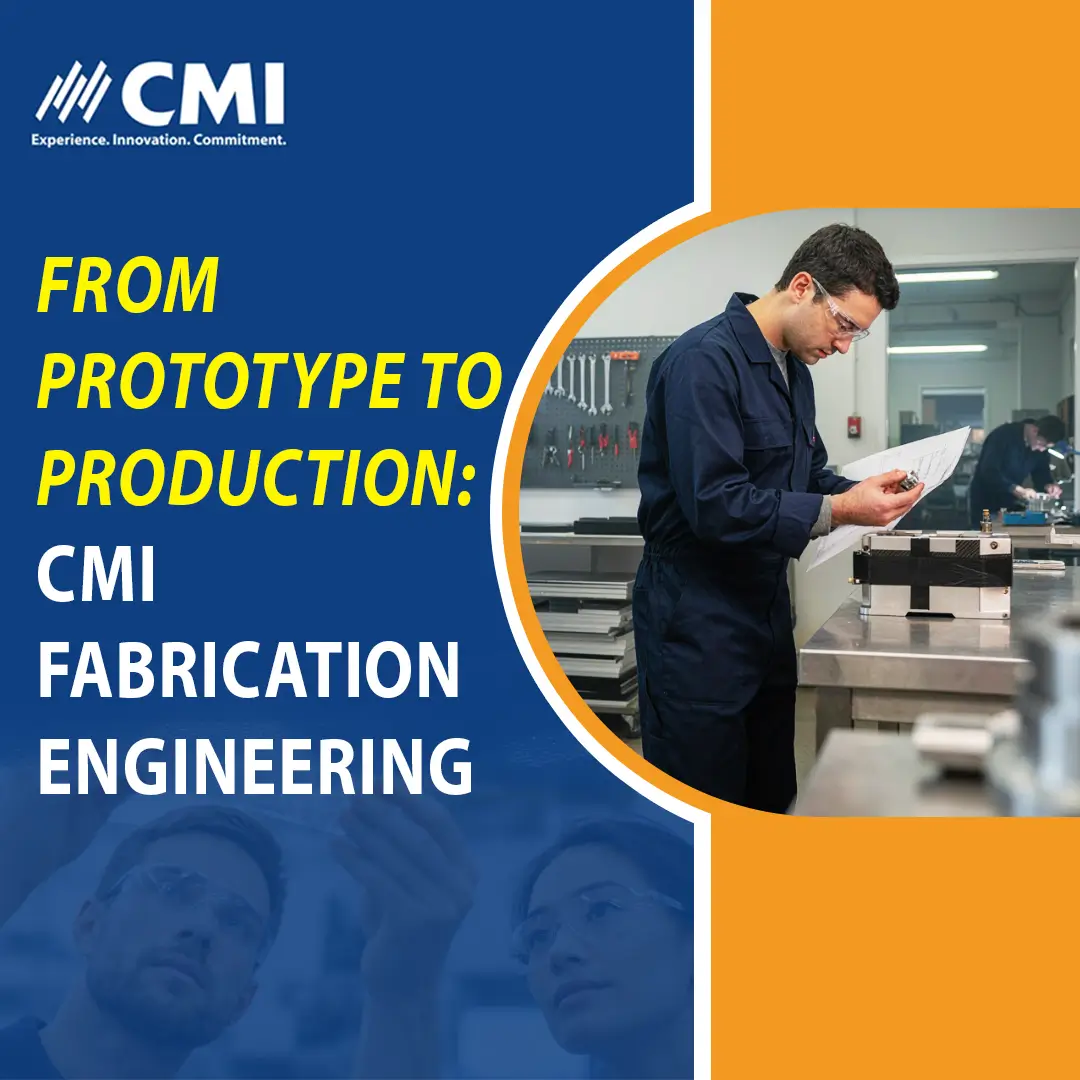
- Prototype and validate. Produce a sample or first article to evaluate fit, function, and performance.
- Refine and scale. Adjust the material or process before moving into production.
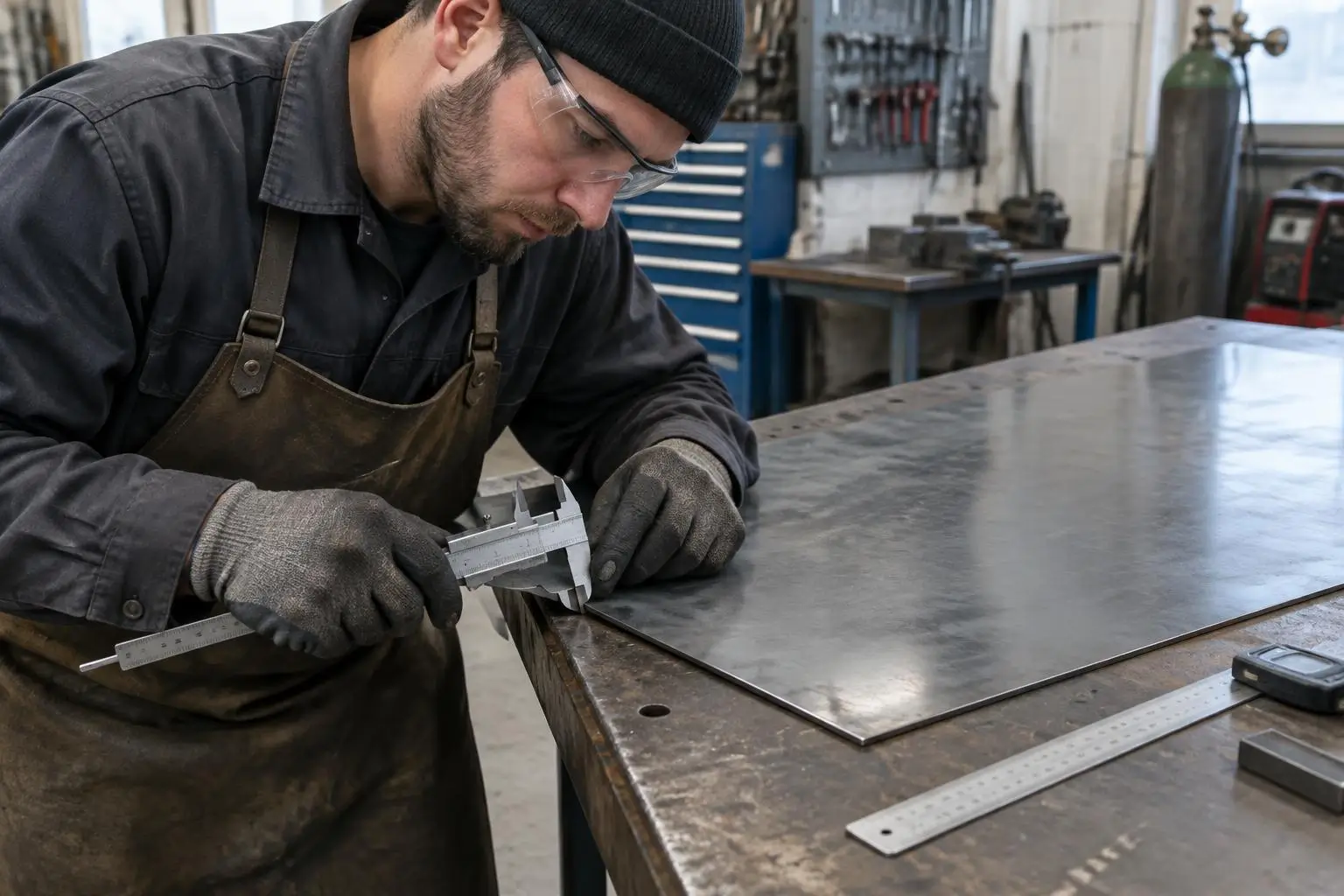
Drawings, computer-aided design (CAD) files, or a 3D model of the part help the team review the application faster and confirm tolerance and the desired shape before any fabrication techniques are chosen. The same steps apply whether a project follows a metal fabrication process or works with plastics and composites, from raw material to finished product.
Examples of Custom Material Solutions
The right material depends on the application. A few examples show how requirements differ:
- Electrical insulation components: Materials selected for dielectric performance, tracking resistance, and dimensional stability.
- Medical equipment components: Plastics or composites selected for cleanliness, dimensional control, and mechanical reliability.
- Energy system components: Insulation, supports, spacers, and structural components exposed to electrical and environmental demands.
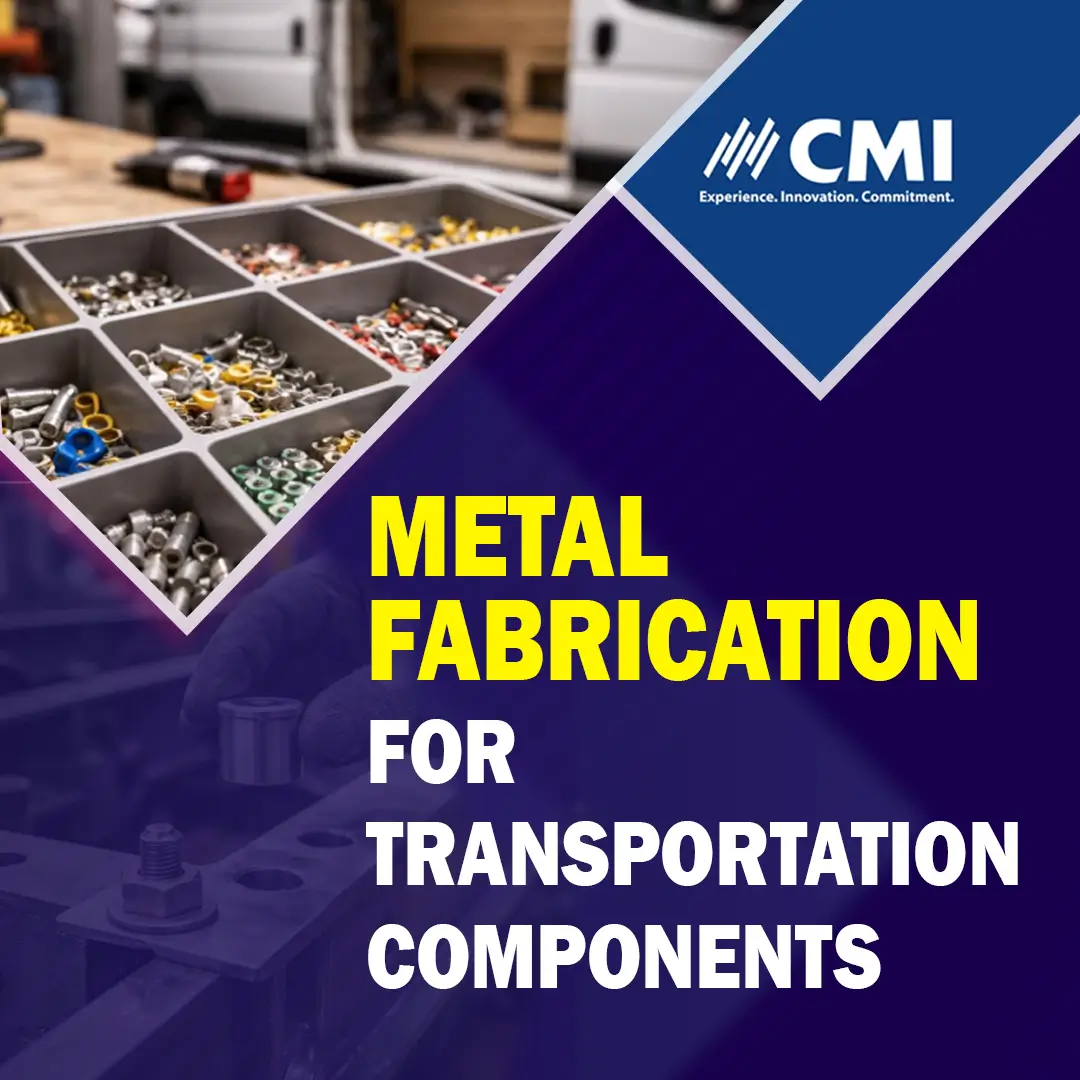
- Transportation components: Lightweight, durable materials for vibration, temperature, and mechanical stress.
- Industrial equipment components: Wear-resistant, chemical-resistant, or high-strength materials for harsh service conditions.
Custom Fabrication Capabilities Beyond Material Selection
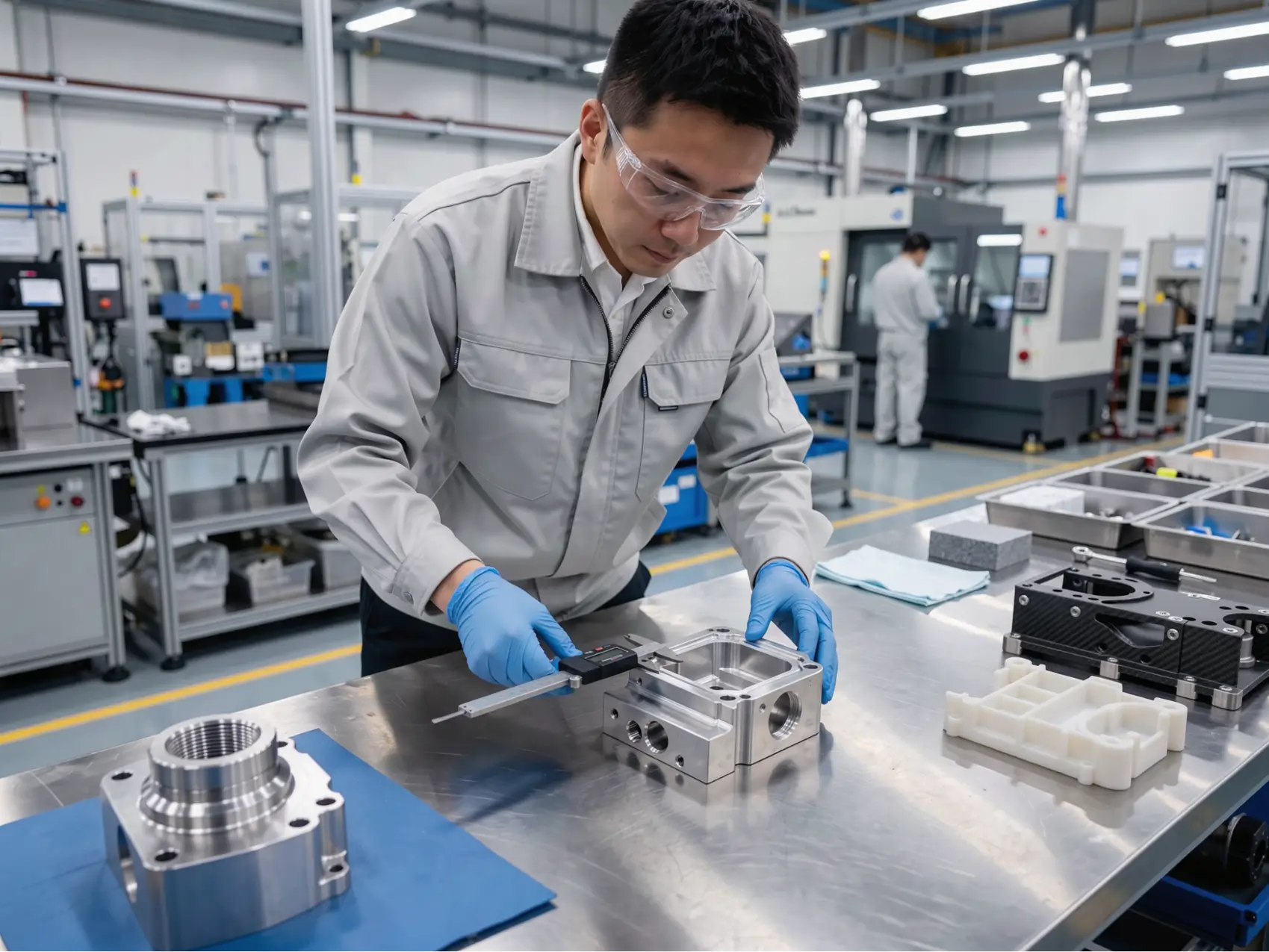
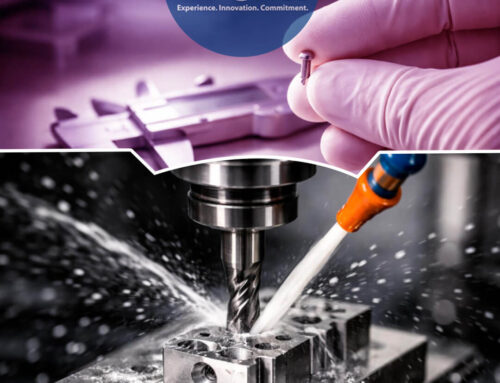
Selecting the right material is only part of the solution. CMI also considers how the material will be cut, machined, formed, bonded, coated, or assembled, supported by capabilities such as CNC machining (computer numerical control), precision cutting, die-cutting, plastic fabrication, composite fabrication, metal fabrication, and assembly support.
What Is Custom Fabrication?
Custom fabrication creates specialized components for specific applications, built around the part’s requirements rather than a catalog default.
Custom Materials Inc. provides custom fabrication services in Chagrin Falls, Ohio, creating specialized components for specific applications. Precision work helps ensure quality that meets specifications, and professional fabrication supports solutions for complex projects. Its metal fabrication services and custom metal fabrication work sit alongside plastic and composite fabrication, with high-quality components built to exact specifications.
Why Collaboration Matters in Custom Fabrication
Early collaboration helps prevent fit issues, rework, and production delays. On metal fabrication projects and plastic or composite work alike, early input helps keep schedules and costs predictable.
Ready to Work With the Right Custom Fabrication Partner?
The right material can improve performance, reliability, and production consistency. CMI works with engineering teams to evaluate requirements, identify material options, fabricate prototypes, and support production. A fabricator that understands both the material and the part helps protect the final product from avoidable rework.
To commission custom fabrication or discuss a custom material solution with our team in Chagrin Falls, Ohio, contact Custom Materials Inc.
Frequently Asked Questions
What are custom material solutions?
Custom material solutions are engineered material and fabrication approaches developed to meet the specific chemical, thermal, mechanical, electrical, and dimensional requirements of an application.
Why might a standard material not work for a custom component?
A standard material may not provide adequate chemical resistance, temperature performance, mechanical strength, electrical insulation, dimensional stability, or fabrication characteristics for a specialized application.
What materials can Custom Materials Inc. work with?
Custom Materials Inc. works with engineered plastics, composites, electrical insulation materials, metals, and subassemblies for specialized industrial applications.
Does Custom Materials Inc. support prototypes and production runs?
Yes. Custom Materials Inc. can support material evaluation, prototype fabrication, production planning, and repeat production based on the component and application requirements.
Where does Custom Materials Inc. provide custom fabrication?
Custom Materials Inc. provides custom fabrication services in Chagrin Falls, Ohio, creating specialized components for specific applications and complex projects.