Standard components rarely meet the demands of aerospace assemblies, electronics enclosures, medical devices, or industrial equipment operating under stress. Tight tolerances, chemical exposure, vibration loads, and regulatory constraints require parts engineered to exact performance specifications.
Custom fabrication services address these variables at the material and process level.
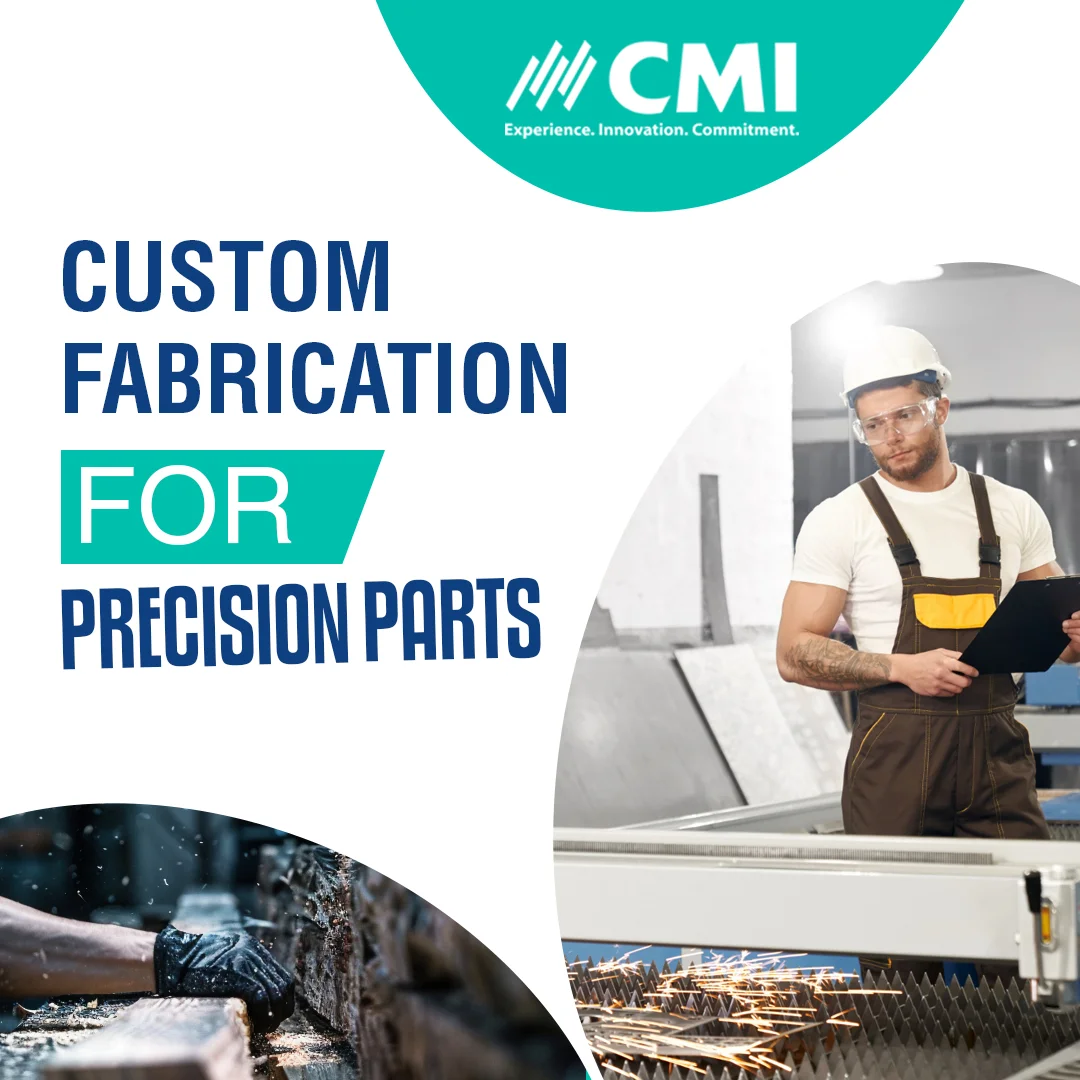
Through controlled die cutting, laser cutting, and CNC fabrication services, Custom Materials Inc. (CMI) manufactures precision custom fabrication solutions using engineered foams, plastics, films, and elastomeric materials designed to match application-specific requirements.
From concept development to scaled production, CMI’s Ohio custom fabrication team collaborates with engineers to minimize risk, optimize material selection, and ensure dimensional consistency.
Clients across aerospace, medical, electronics, and industrial markets rely on CMI not simply for parts, but for custom parts manufacturing that integrates into performance-critical systems.
What Is Precision Custom Fabrication?
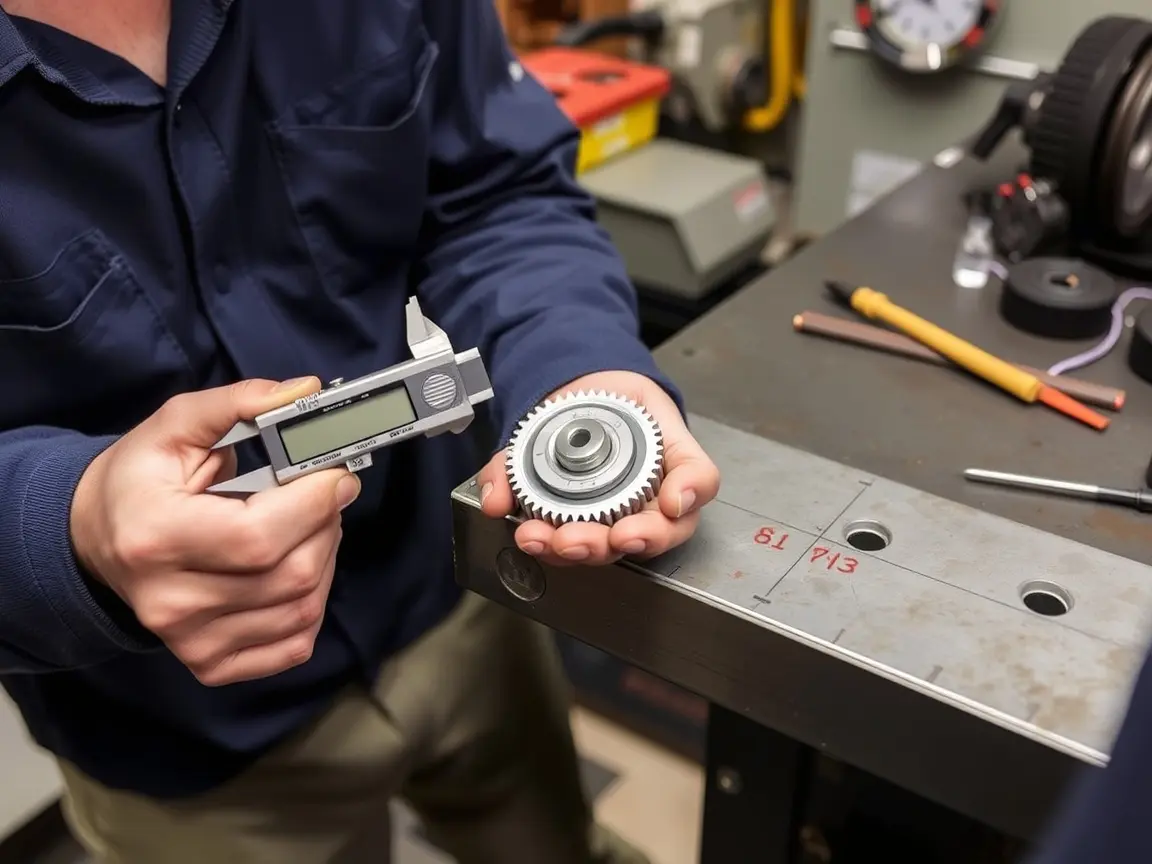
Precision custom fabrication is the controlled conversion of engineered materials into application-specific components that meet defined mechanical, thermal, electrical, or chemical performance requirements.
Unlike generic cutting or trimming, precision fabrication involves:
- Material performance evaluation
- Process selection based on tolerance demands
- Controlled dimensional repeatability
- Validation through prototype and production testing
Material selection plays a foundational role. Performance differences between engineered polymers, elastomers, and foams are well documented in technical materials literature.
In high-performance applications, even minor dimensional deviations can influence sealing pressure, vibration damping, insulation capacity, or structural load distribution.
CMI applies three primary fabrication processes depending on performance requirements:
Die Cutting
CMI produces die-cut custom components for high-volume foam, gasket, and sealing applications requiring consistent edge quality and repeatable tolerances. This process is widely used in vibration isolation systems and environmental sealing assemblies where compression control affects performance.
Laser Cutting
Laser-cut custom parts support intricate geometries, tight corner radii, and adhesive-backed films used in electronics, medical, and aerospace applications. The non-contact nature of laser cutting minimizes mechanical stress on delicate substrates.
CNC Fabrication Services
CNC fabrication services are used for thicker plastics, rigid substrates, and three-dimensional components requiring strict tolerance control. This process is frequently applied in aerospace custom parts, structural mounting systems, and high-load industrial guards.
How Custom Fabrication Improves Part Performance
Performance gaps in assemblies often originate from material mismatch or dimensional inconsistency.
Custom fabrication reduces these risks through:
1. Material Matching
Foams and engineered plastics are selected based on:
- Compression set resistance
- Thermal stability
- Chemical compatibility
- Flame or regulatory classification
Polymer behavior under stress and temperature variation. Correct material pairing improves durability and long-term stability in aerospace, industrial, and medical systems.
2. Design Collaboration
CMI integrates engineering input during design review. Early-stage feedback reduces rework cycles, improves manufacturability, and enhances long-term reliability.
This collaborative approach strengthens precision custom fabrication outcomes before production begins.
3. Controlled Production Scaling
Prototypes are typically developed within days. Production scaling can begin within weeks, depending on complexity and material lead times.
Consistency in custom parts manufacturing ensures repeatability across high-volume runs without dimensional drift.
Custom Parts for Aerospace and Industrial Rigor
Aerospace Custom Parts
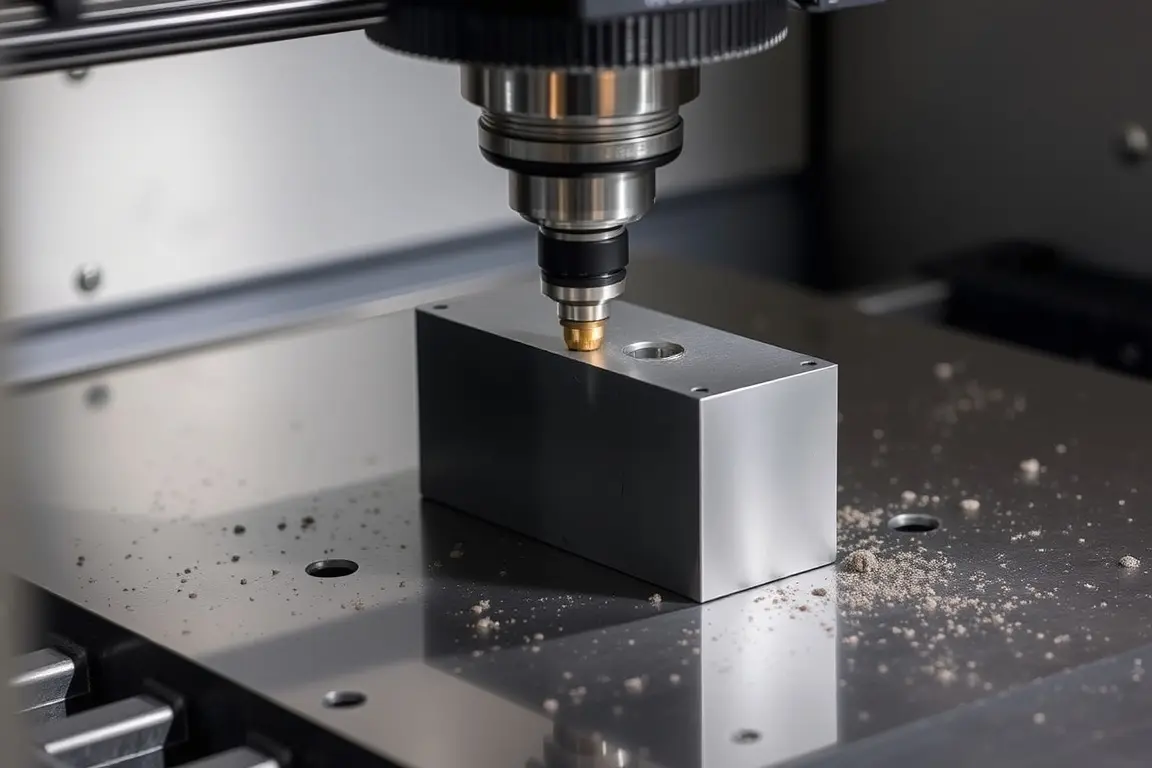
Aerospace assemblies demand strict adherence to vibration tolerance, weight constraints, and thermal management.
Applications include:
- Laser-cut foam for vibration attenuation
- CNC-routed plastics for structural reinforcement
- Die-cut custom components for sealing and environmental protection
Precision fabrication supports repeatability and compliance in regulated environments.
Industrial Fabrication
Industrial environments introduce:
- Chemical exposure
- Abrasion
- Continuous mechanical cycling
Custom foam fabrication supports shock absorption. Plastic fabrication services create guards, insulators, and wear-resistant barriers.
By tailoring material selection and fabrication method, CMI supports operational uptime and extended service intervals.
Can Custom Fabrication Elevate Electronics and Medical Systems?
Miniaturization and regulatory compliance define electronics and medical device manufacturing.
Electronics Applications
Laser-cut custom parts improve:
- PCB airflow pathways
- EMI shielding alignment
- Adhesive-backed insulation placement
Medical Device Fabrication
Medical device fabrication demands:
- Biocompatible materials
- Clean edge profiles
- Sterilization resistance
Precision fabrication ensures dimensional stability in sterile packaging, cushioning inserts, and insulation layers.
Engineer-Guided Precision Custom Fabrication at CMI
At Custom Materials Inc., fabrication is engineer-guided and application-driven.
Each project begins with:
- Specification review
- Environmental analysis
- Tolerance evaluation
- Prototype validation
From facilities serving Chagrin Falls, CMI integrates into client workflows through:
- Foam and plastic optimization
- CNC precision routing
- Die-cut custom components for volume production
- Laser cut custom parts for complex geometries
This structured process reduces design mismatch risk and supports scalable production.
Custom Fabrication as a Strategic Performance Advantage
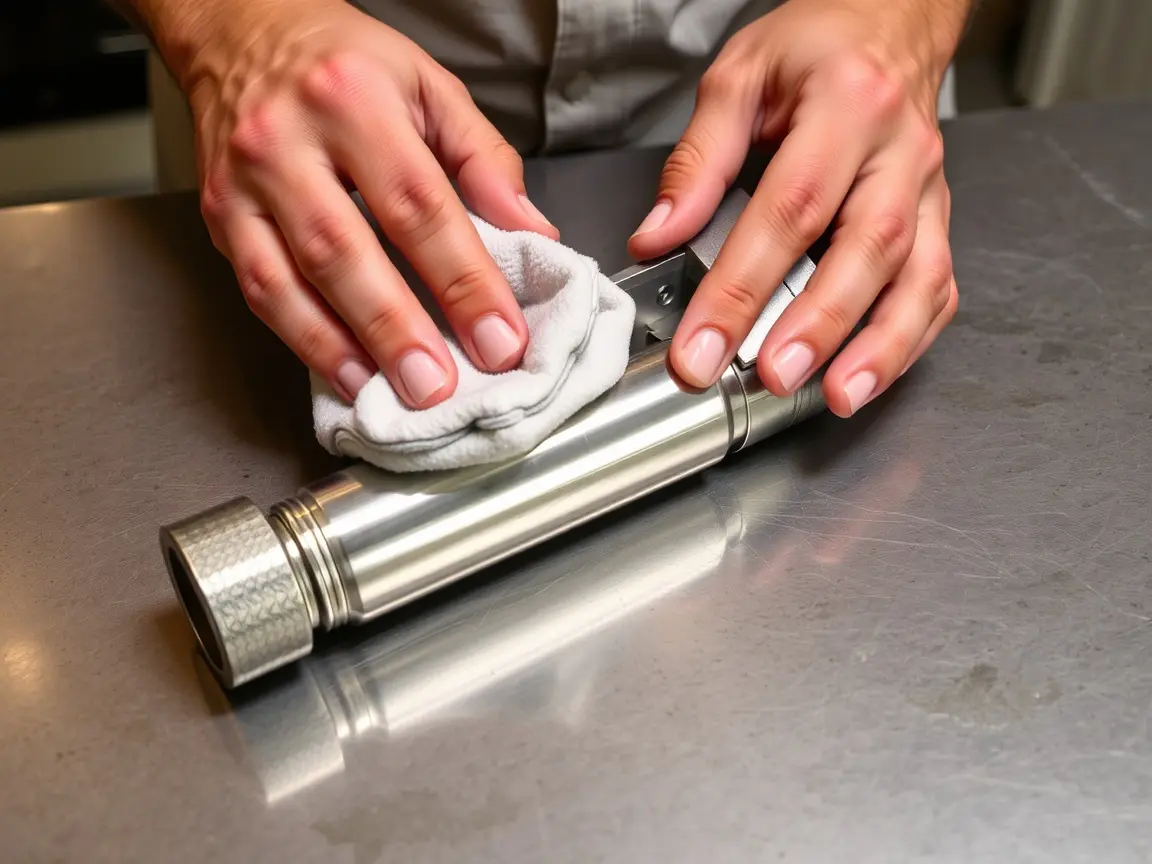
Custom fabrication services deliver measurable operational advantages:
- Alignment to exact specifications: Foams/plastics match thermal/chemical/vibration needs in aerospace, electronics, medical, and industrial.
- Controlled repeatability across production runs: Die/laser/CNC ensures consistency from prototype to scale.
- Material-driven performance optimization: Versatile options boost durability where generics fail.
- Engineer-supported validation before scale: Design input and QC testing confirm reliability upfront.
- Precision custom fabrication strengthens performance in aerospace, electronics, medical, and industrial systems.
Teams seeking targeted solutions for aerospace mounts, electronics PCBs, medical devices, or industrial guards can request a project quote to explore engineer-guided custom fabrication from our Ohio team in Chagrin Falls.
Frequently Asked Questions
What are custom fabrication services?
Custom fabrication services convert engineered materials into application-specific parts using controlled processes such as die cutting, laser cutting, and CNC routing.
What are die-cut custom components used for?
Die-cut custom components are used in sealing systems, vibration isolation assemblies, and gasket applications where consistent compression and repeatable tolerances are required.
When are CNC fabrication services preferred?
CNC fabrication services are preferred for thicker plastics, rigid substrates, and structural components requiring strict dimensional accuracy.
Is custom fabrication suitable for aerospace and medical applications?
Yes. Aerospace custom parts and medical device fabrication benefit from engineered materials, controlled tolerances, and regulatory alignment.
How long does custom fabrication take?
Prototypes are often developed within days. Production scaling typically ranges from 2 to 6 weeks, depending on material availability and complexity.