Electrical systems today are expected to operate with greater efficiency, tighter design tolerances, and longer service life than ever before. Across energy infrastructure, transportation systems, medical equipment, and industrial applications, even small inconsistencies in insulation can impact overall system performance.
In these environments, insulation is no longer treated as a passive material choice. It functions as an engineered component that directly affects safety, reliability, and operational stability. Studies on electrical equipment reliability consistently highlight insulation performance as a critical factor in preventing system failure, particularly in high-voltage and high-stress applications.
Custom Materials Inc. (CMI) supports these requirements by fabricating custom electrical insulation components designed to meet precise electrical, thermal, and mechanical specifications. Rather than relying on generic materials, CMI focuses on engineered components that integrate into the system and perform consistently under real-world conditions.
What Are Custom Electrical Insulation Components?
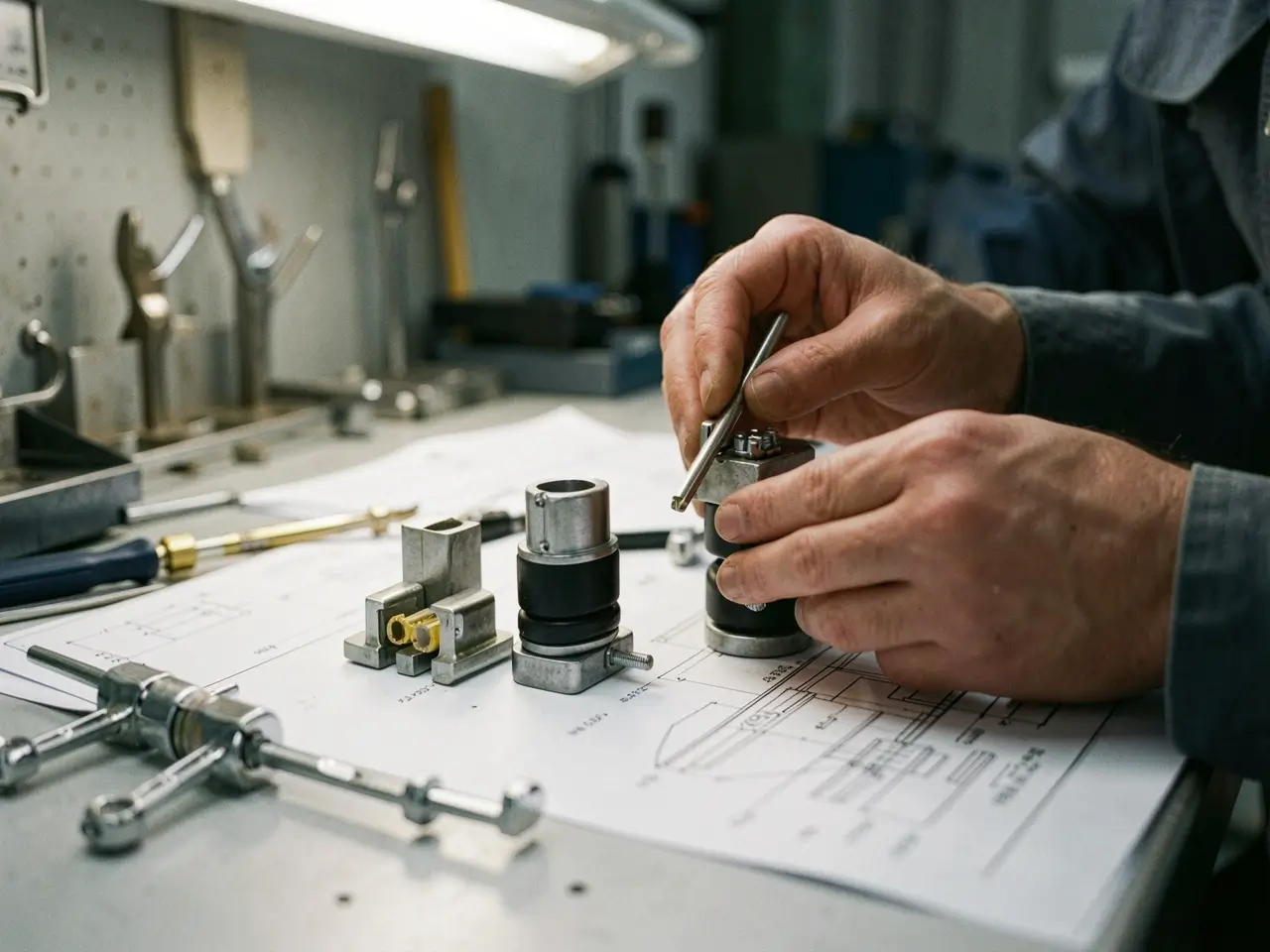
Custom electrical insulation components are precision-fabricated parts made from insulating materials that are designed to maintain electrical separation, structural alignment, and thermal stability within a system. These are fabricated parts that prevent electrical current flow, maintain spacing between conductive elements, and support system reliability in engineered assemblies.
These components are not simply cut-to-size materials. They are engineered to meet specific application requirements, ensuring proper fit, durability, and consistent performance over time.
Common types of insulation components include:
- Electrical insulation barriers
- Gaskets and sealing components
- Spacers and alignment supports
- Liners and insulating inserts
- Custom die-cut insulation parts
Each of these plays a specific role in maintaining system integrity. In electrical assemblies, even minor deviations in component fit can lead to inefficiencies or failure. Custom fabrication helps eliminate those risks by ensuring each part is designed for its exact application.
Why Fabrication Matters in Electrical Insulation Performance
In engineered systems, performance is not determined by the material alone. The way a component is fabricated plays a direct role in how it behaves under electrical, thermal, and mechanical stress.
Fabrication impacts insulation performance by controlling tolerances, edge quality, compression behavior, and consistency across production.
Dimensional accuracy and tolerance control
Electrical insulation components often function within tight clearances. Precise fabrication ensures that the spacing between conductive elements is maintained as designed. Even small deviations can introduce risks such as arcing or unwanted electrical interaction.
Load, pressure, and thermal stability
Many insulation components operate under continuous stress. They may be exposed to vibration, compression, or elevated temperatures. Fabrication influences whether a component retains its shape and function over time or deforms under load.
Edge quality and material integrity
The edges of a component can influence its durability. Poor cutting processes can create stress points or weak areas that may degrade under thermal or mechanical conditions. Clean, controlled fabrication methods help maintain structural integrity.
Repeatability in production
Engineers and OEMs require consistency across production runs. A component that performs well once is not sufficient—every unit must meet the same standards. Precision fabrication ensures repeatability, reducing variability and improving system predictability.
In practice, this means fabrication is not just a manufacturing step—it is a critical part of system design.
Die Cutting for Electrical Insulation Components
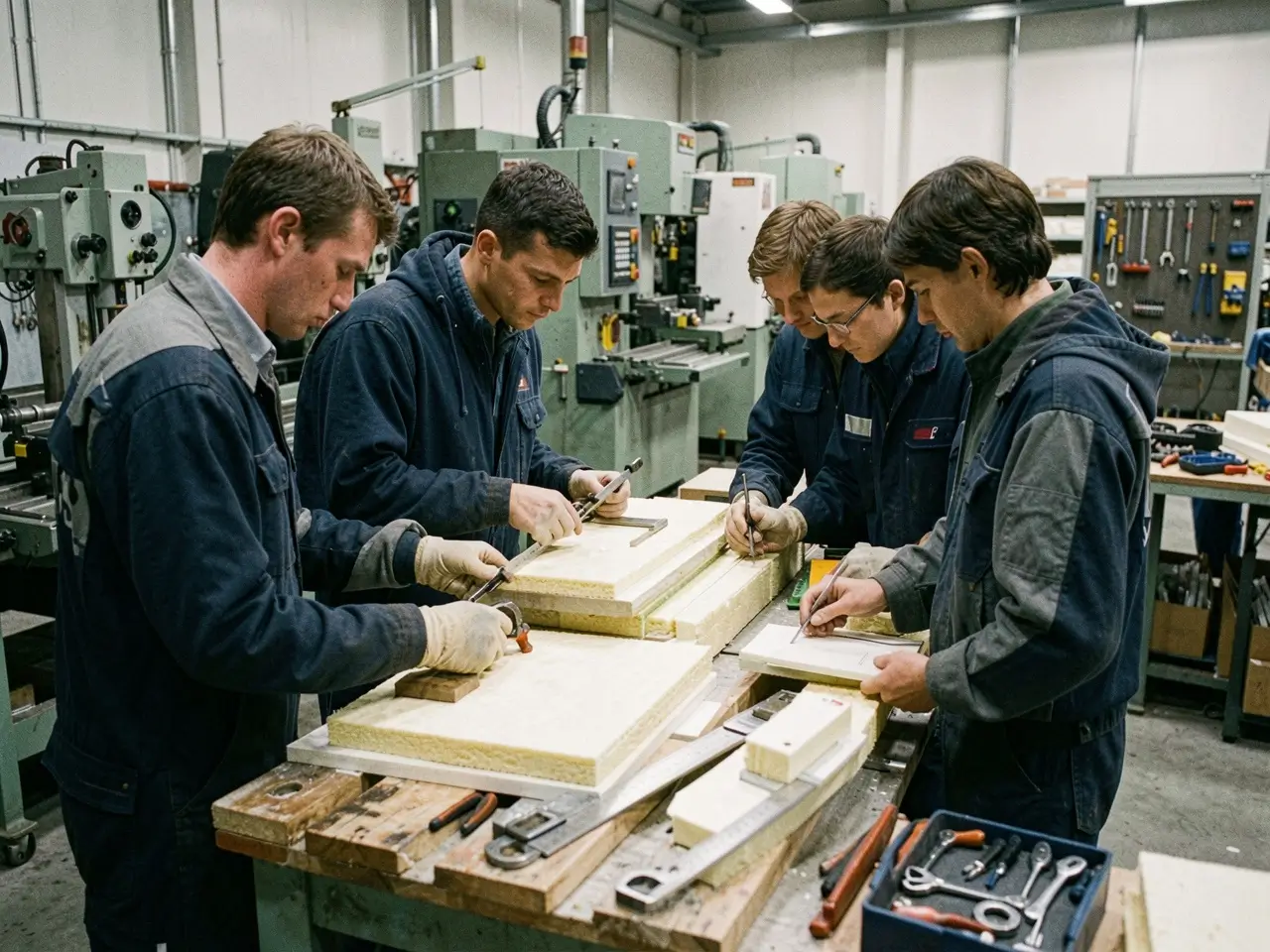
One of the most widely used fabrication methods for insulation components is die cutting. This process is ideal for producing high volumes of parts with consistent geometry and clean edges.
Die Cutting is commonly used in insulation fabrication because it balances efficiency with repeatability.
Why is die cutting used:
- Produces consistent shapes across large volumes
- Maintains clean, controlled edges
- Supports tight tolerances
- Scales efficiently for production
Typical applications include:
- Electrical gaskets and seals
- Foam insulation components
- Transformer insulation parts
- Vibration and shock isolation elements
In many cases, die cutting is selected when both precision and volume are required, making it a practical solution for OEM production environments.
Where Custom Insulation Components Are Used
Custom insulation components are essential in systems where electrical reliability, thermal stability, and mechanical performance must be maintained over time.
Energy and power systems
Power transformers, switchgear, and distribution systems rely heavily on insulation components to maintain electrical isolation and structural stability.
Transformer insulation components help maintain electrical separation, mechanical support, and long-term performance in high-voltage systems.
CMI’s experience in transformer-related applications includes components such as:
- Oil-filled transformer insulation parts
- Dry-type insulation components
- Pressboard and structural supports
- Custom-fabricated insulation elements
These components must withstand high voltage, thermal cycling, and mechanical stress while maintaining consistent performance over long service periods.
Transportation and electrification
Modern transportation systems, including rail and electrified infrastructure, require compact and durable insulation solutions. Components must perform reliably in environments exposed to vibration, temperature changes, and continuous operation.
Precision insulation components help ensure stable electrical performance while supporting system safety and durability.
Medical equipment
Medical systems depend on consistency and reliability. Insulation components used in diagnostic equipment, imaging systems, and power units must meet strict performance expectations.
In medical equipment, insulation components help maintain electrical safety, reduce interference, and support consistent system operation.
These applications require precise fabrication and strict material control to ensure compliance with operational and safety requirements.
Industrial systems
Motors, drives, and control systems operate under continuous electrical and mechanical load. Insulation components in these systems help maintain performance and reduce downtime.
By controlling electrical separation and supporting structural alignment, insulation components contribute to system efficiency and reliability.
Engineering Considerations Before Fabrication
Before insulation components are fabricated, engineering teams evaluate multiple factors to ensure the final part performs as intended.
Key considerations include:
- Voltage and dielectric requirements
- Thermal exposure and operating temperature
- Mechanical stress and load conditions
- Environmental factors such as moisture or chemicals
- Material compatibility with the system
- Appropriate fabrication method
Effective insulation design requires matching material properties and fabrication methods to system voltage, temperature, and environmental conditions.
Early-stage engineering review helps prevent redesigns, reduces risk, and ensures that the final component aligns with system requirements.
Custom Materials Inc. Fabrication Capabilities
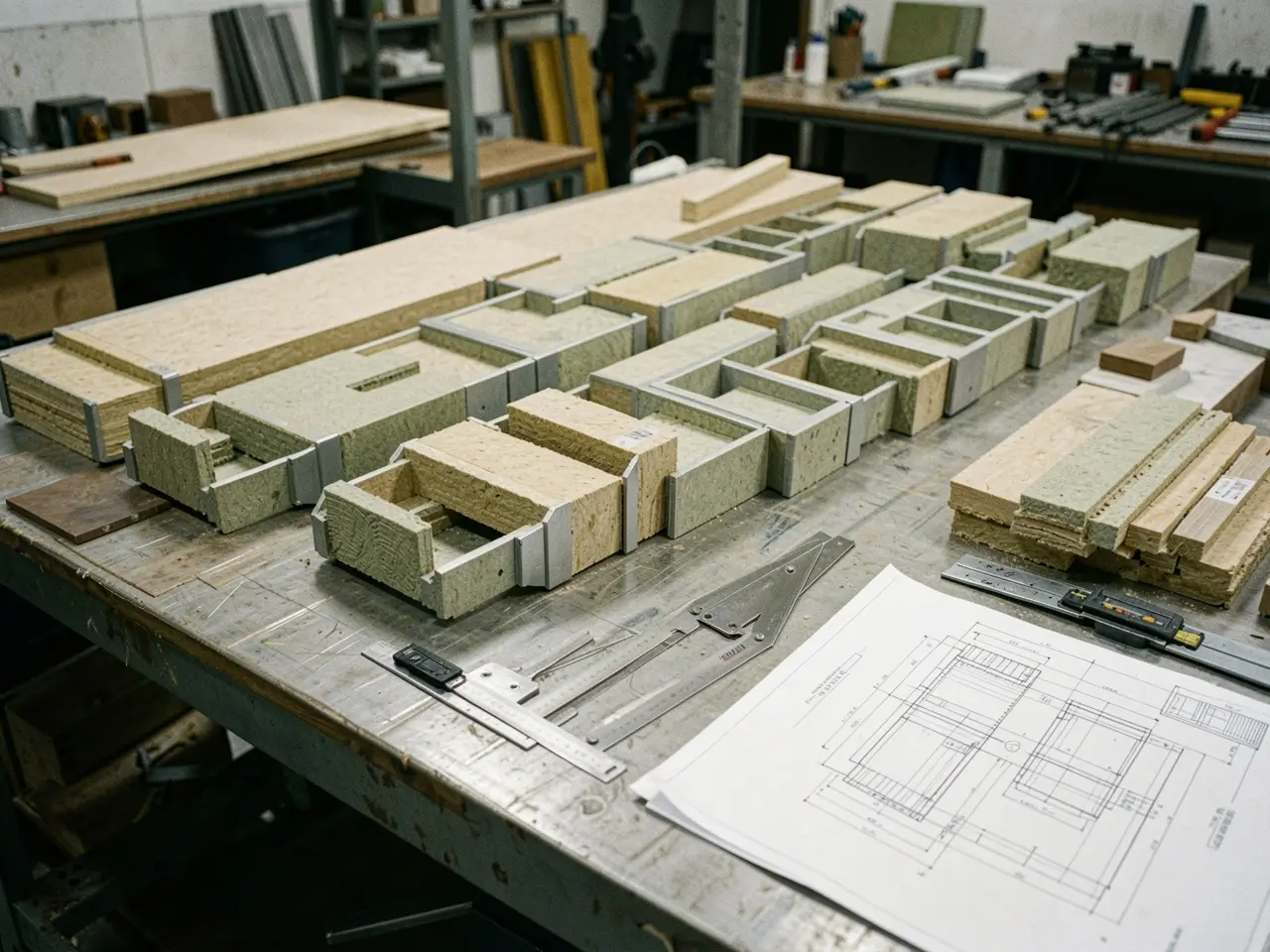
Custom Materials Inc. provides precision fabrication services for electrical insulation components used across energy, transportation, medical, and industrial applications.
CMI’s approach focuses on engineered solutions rather than standard materials. Each component is fabricated to meet specific requirements, ensuring consistency and performance within the system.
Core fabrication capabilities:
- Die cutting
- Laser cutting
- CNC fabrication
- Foam fabrication
- Plastic fabrication
These capabilities support the production of a wide range of components, including:
- Transformer insulation parts
- Switchgear insulation components
- Motor and drive insulation elements
- Custom structural insulation supports
CMI emphasizes precision, repeatability, and application-specific fabrication, ensuring each component integrates effectively into the final system.
Engineering Collaboration and Support
Successful insulation solutions often begin with collaboration between engineering teams and fabrication partners.Engineering collaboration improves insulation performance by aligning design, material selection, and fabrication with system requirements.
At CMI, this process includes:
- Design and application review
- Prototype development and testing
- Scalable production support
- Performance validation
This approach allows engineers to move from concept to production with greater confidence, reducing risk while improving overall system performance.
Key Takeaway
Custom electrical insulation components play a critical role in system reliability, particularly in demanding applications across energy, transportation, and medical environments.
If you are evaluating insulation solutions for your application, early engineering input can help ensure proper material selection and fabrication alignment.
Contact CMI’s engineering team to review your fabrication requirements.
Frequently Asked Questions
What are custom electrical insulation components?
They are fabricated parts designed to maintain electrical separation, structural stability, and thermal protection within a system.
Why is fabrication important for insulation performance?
Fabrication controls tolerance, edge quality, and repeatability, which directly affect how the component performs in real-world conditions.
What is die cutting used for?
Die cutting is used to produce high-volume insulation components with consistent shapes and clean edges.
Where are insulation components used?
They are used in transformers, medical equipment, transportation systems, and industrial applications.
Does CMI provide custom fabrication?
Yes. CMI provides engineered fabrication services tailored to specific application requirements.