
The global transition toward cleaner energy is pushing electrical infrastructure to its limits. Many systems, including transformers that have long surpassed their expected lifespan, are struggling to keep up with the variability and demand of renewable power. The shift toward smart grids and renewable integration underscores how traditional grid designs were never intended for two-way energy flow, creating inefficiencies and reliability challenges. To build a stronger, more resilient network, industries are turning to advanced composite materials that enhance transformer durability, reduce grid losses, and prolong the life of critical components.
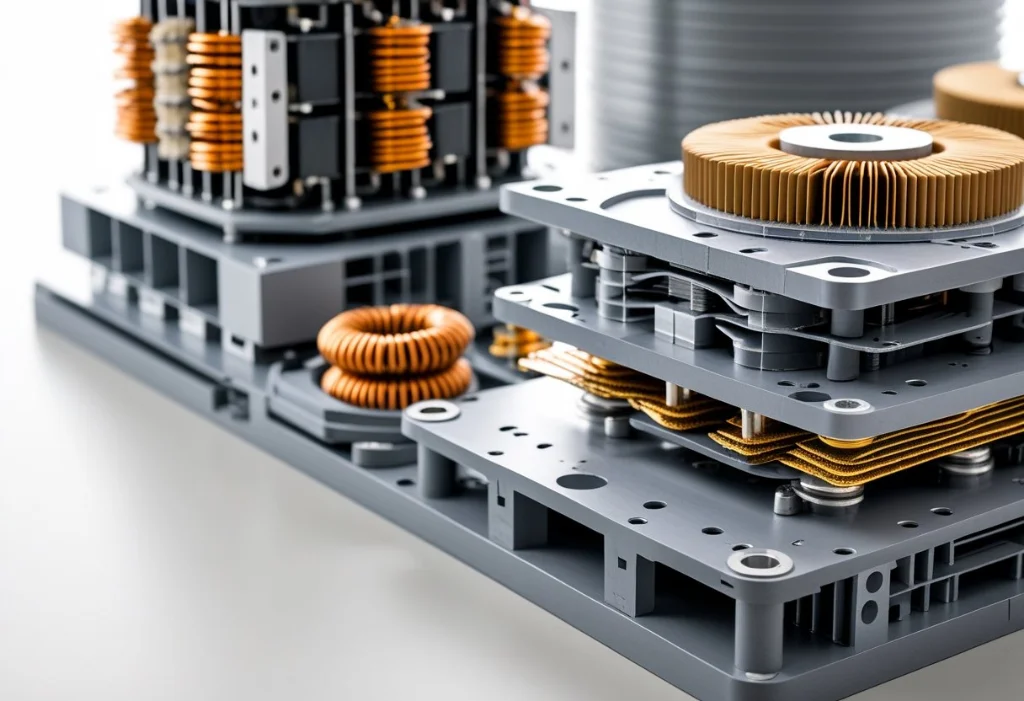
Transformer composite materials provide high-performance insulation, structural support, and thermal management, enabling more efficient electrical systems that reduce energy losses and carbon emissions. These specialized materials have evolved from basic paper insulation to sophisticated engineered systems that use epoxy-glass laminates, thermoset composites, and fiber-composite insulation, which withstand extreme electrical stress and temperatures.
Every percentage point of efficiency improvement in transformers results in significant energy savings and carbon reductions over decades of operation. Manufacturing these high-performance electrical composites requires specialized fabrication expertise and deep material knowledge. The combination of advanced composite materials for transformer components with precision engineering enables grid modernization, which is essential for integrating renewable energy and achieving decarbonization goals.
Key Takeaways
- Advanced composite materials replace aging transformer components to improve electrical grid efficiency and reduce carbon emissions
- Modern composites like epoxy glass laminates and thermoset materials provide superior insulation and durability compared to traditional paper-based systems
- Specialized fabrication expertise is essential for manufacturing high-performance electrical composites that meet strict safety and efficiency standards
Advanced Composites Transforming Power Infrastructure
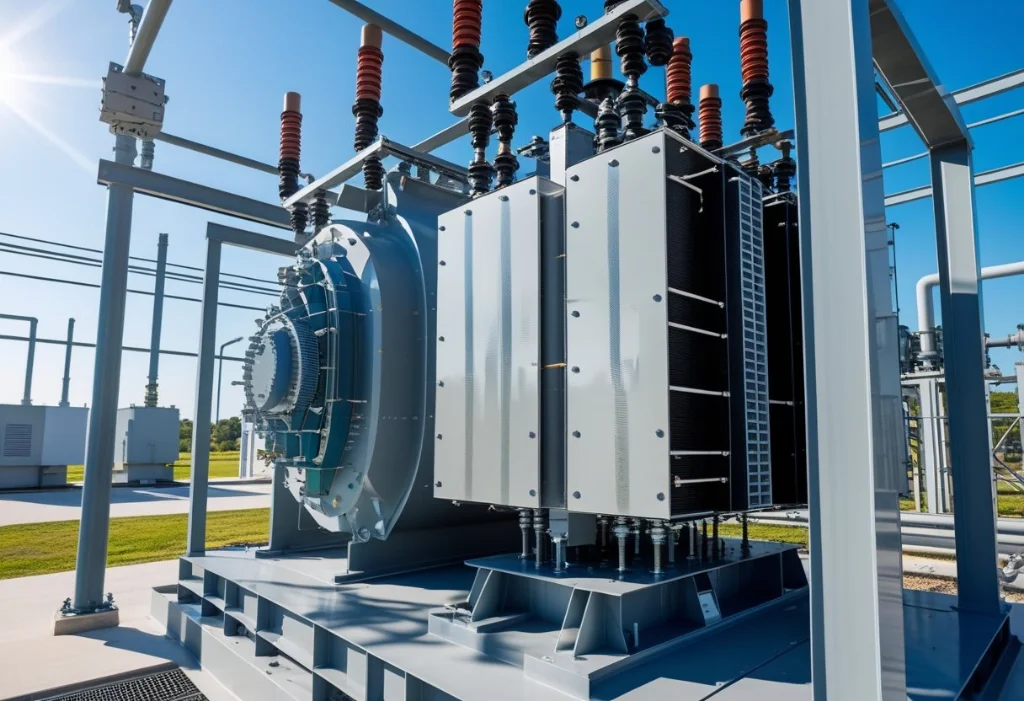
Power systems worldwide are changing rapidly due to advances in composite materials. These materials replace old steel and paper parts in transformers. They offer better performance and last longer than traditional options.
High-density pressboard innovation has replaced basic paper systems in many transformers. These new materials handle heat and electricity much better. They also resist breakdown over time.
Glass epoxy systems work well in extreme conditions. They can withstand high voltages and very high temperatures. Engineers use these materials when regular parts would fail.
Modern transformer insulation materials use advanced chemistry. Bis-A epoxy formulation creates strong barriers against electrical problems. These electrical insulation composites protect transformers from damage.
Custom epoxy formulations address specific issues for various transformer types. Oil-filled transformer components require materials that can withstand the presence of oil for many years. Dry-type transformer materials must work without oil cooling.
The benefits of these electrical-grade composites are clear:
- Stronger electricity blocking – handles higher voltage in smaller spaces
- Better heat resistance – extends life by 20-30%
- Lighter weight – reduces total transformer size
- Oil compatibility – maintains performance for decades
Sustainable transformer materials support environmental goals. They last 40+ years compared to 25-30 years for old designs. This reduces waste and replacement needs.
Advanced insulation systems also use less energy for cooling. Better dielectric materials mean transformers need fewer resources while working better. These improvements help utilities build more efficient power grids.
Power companies now prefer composite solutions for electrical power transmission because they outperform steel and paper alternatives.
Driving Sustainability Through Efficiency Innovation: Reducing Grid Losses
A single large power transformer operating at 99.5% efficiency, rather than 99.7%, wastes enough energy annually to power 50+ homes. Multiply this across thousands of transformers, and the carbon impact is staggering—making efficiency innovation a sustainability imperative.
Innovative Composite Solutions Transform Loss Reduction
Transformer efficiency innovations now focus on advanced flux containment devices. Flux shunts and yoke shunts reduce stray flux losses by 15-25% through precise magnetic field management.
Tank wall shielding made from composite materials provides superior electromagnetic properties. These components withstand higher magnetic field intensities while maintaining thermal performance.
Glass fiber pressure rings deliver a 3-4 times higher strength-to-weight ratio than traditional materials. Filament-wound composites enable optimized fiber orientation for maximum performance efficiency.
Quantified Carbon Impact
Efficiency Improvement: 1% in 50 MVA transformer
Energy Savings (30 years): 4,380 MWh
CO2 Reduction: ~2,000 metric tons
Cost Savings: $350,000+
Hot spot reduction through composite innovations extends insulation life and improves reliability. Energy-loss-reduction technologies deliver compound benefits over the lifespan of a transformer.
Lighter composite components reduce shipping emissions and installation complexity. Design flexibility allows engineers to optimize transformer configurations for maximum grid efficiency.
Long-term Investment Value
With lifespans of 30-40 years, even marginal improvements compound dramatically. Initial material investment is recovered within 2-3 years through loss reduction alone.
Utilities multiply these savings across entire fleets, achieving GWh-scale energy savings and substantial carbon reductions through the use of sustainable transformer components.
Precision Fabrication of Sustainable Electrical Components
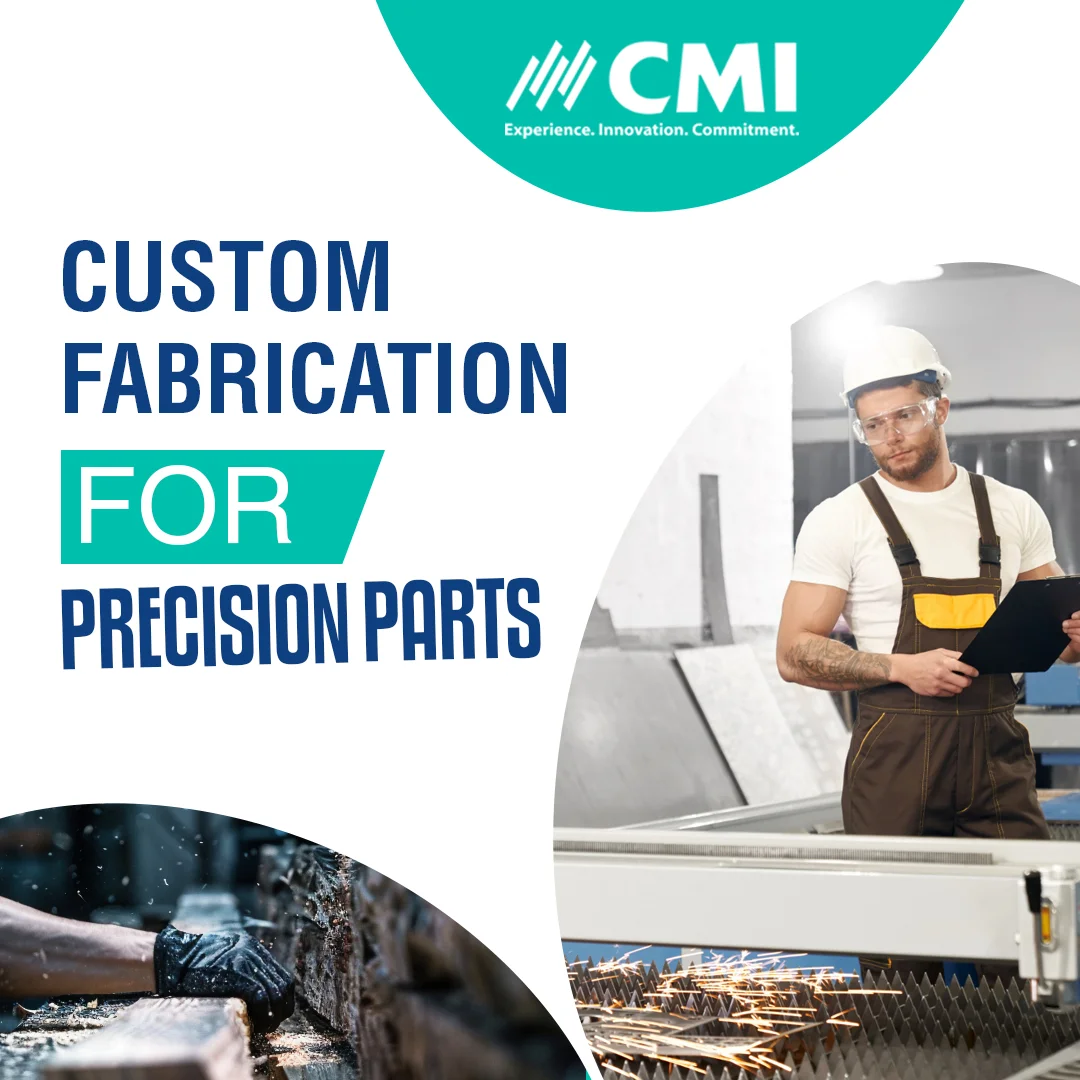
Modern composite manufacturing combines advanced precision techniques with environmental responsibility to create high-performance components. These processes achieve tight dimensional tolerances while minimizing waste and improving long-term reliability across transmission and distribution infrastructure.
Comprehensive Fabrication Capabilities
Advanced die-cutting operations achieve tolerances of ±0.005 inches for power transformer components that require exact specifications. Computer-controlled routing systems eliminate material waste while creating complex geometries needed for modern electrical applications.
Precision Manufacturing Methods:
- CNC routing and drilling for custom component shapes
- Filament winding with controlled fiber placement
- Epoxy casting for void-free electrical parts
- Advanced die-cutting for high-density pressboard spacers
These specialized composite materials are subject to strict contamination control protocols. Surface finish specifications prevent partial discharge failures that compromise transformer performance.
Material utilization optimization reduces manufacturing waste by 30-40% compared to traditional methods. In-house tooling design enables rapid production changes without generating external waste.
Complete Component Manufacturing includes:
- Oil ducting systems and winding kits
- Glass epoxy pressure rings with optimized architecture
- Low-voltage bushings in 150+ configurations
- Vertical spacers and winding combs
Secondary operations use low-VOC materials and environmentally responsible coatings. This composite innovation approach reduces field failures through precise manufacturing that meets exact assembly requirements for transmission infrastructure.
Role of Composite Materials in Grid Modernization and Decarbonization
Composite materials drive improvements in the electrical grid through enhanced conductor performance and reduced environmental impact. Thermoset composite laminates support grid modernization, enabling utilities to meet their sustainability goals.
Contribution to Electrical Grid Modernization
Carbon fiber composite conductor cores increase transmission capacity while reducing power losses. These cores enable utilities to carry more electricity through existing power lines without the need to build new towers.
Key Performance Benefits:
- Higher current capacity at lower temperatures
- Reduced line sag during peak demand periods
- Extended transmission distances with fewer substations
- Lower maintenance requirements over 40-year lifespans
Composite insulators play a critical role in smart grid infrastructure. They resist pollution buildup and weathering better than ceramic alternatives. This reliability becomes essential as grids integrate more renewable energy sources.
Utilities use reconductoring projects to quickly upgrade aging infrastructure. The process replaces old aluminum conductors with composite-core alternatives on existing towers. This approach costs 50-70% less than building new transmission lines.
Grid operators benefit from real-time monitoring capabilities built into composite systems. Sensors embedded in composite materials track temperature, load, and structural stress. This data helps prevent outages and optimize power flow across networks.
Enhancing Grid Sustainability and Decarbonization
Fiber-reinforced polymer composites help industries meet decarbonization targets. These materials enable more efficient power transmission, reducing energy waste during long-distance transport.
Environmental Advantages:
- 15-20% reduction in transmission losses
- Lower carbon footprint during manufacturing
- Recyclable materials at the end of service life
- Reduced land use for new transmission corridors
Composite materials support the integration of renewable energy by better handling variable power loads. Wind and solar farms produce fluctuating electricity output, which stresses traditional power grids. Composite cores maintain stable performance under these changing conditions.
Grid decarbonization requires moving clean energy from remote generation sites to population centers. Composite conductor technology enables this long-distance transport with minimal power losses. Each percentage point of loss reduction equals thousands of tons of avoided carbon emissions annually.
Manufacturing processes for sustainable composites continue improving. Companies now produce composite materials using bio-based resins and recycled carbon fibers. These innovations reduce the environmental impact of grid infrastructure while maintaining electrical performance standards.
Smart grid applications rely on composite materials for underground cable systems. These installations protect power lines from weather events while reducing visual impact. Composite cable conduits resist corrosion and provide service lives of 50 years or more in harsh underground environments.
Future of Sustainable Grid Materials and Smart Infrastructure Innovation
Sustainable composites and environmental impact drive grid modernization while emerging technologies and research directions accelerate the development of next-generation materials. These advances position composites as central components in renewable energy infrastructure and grid interconnection systems. By enabling more efficient, durable, and adaptable designs, these materials help utilities and manufacturers build a cleaner, more resilient, and future-ready energy network.
Sustainable Composites and Environmental Impact
Modern grid infrastructure demands materials that reduce environmental footprints while maintaining performance standards. Bio-based electrical materials now replace traditional petroleum-derived components in transformer applications.
Environmental Benefits of Next-Generation Composites:
- Carbon Reduction: Bio-based composites cut embodied carbon by 40-60% compared to conventional materials
- Lifecycle Impact: Nano-composites extend transformer service life from 30 to 50 years
- Recyclability: Advanced electrical materials achieve 85% end-of-life recovery rates
Distribution grid expansion requires sustainable grid innovation at unprecedented scales. Renewable energy infrastructure projects require over 50,000 new transformers annually through 2035.
EV charging infrastructure adds pressure to select environmentally conscious materials. High-efficiency grid components using sustainable composites reduce both operational emissions and manufacturing impacts.
Innovative materials for transformer development focus on low losses and high thermal endurance. These materials support infrastructure modernization while meeting strict environmental standards.
Emerging Technologies and Research Directions
Smart grid materials integrate sensing capabilities directly into composite structures. Future transformers incorporate embedded monitoring systems for real-time performance tracking.
Key Innovation Areas:
- Smart Monitoring: IoT-enabled composites provide continuous temperature and vibration data
- Self-Healing Materials: Advanced polymers repair micro-damage automatically
- Nano-Enhancement: Nano-composites improve dielectric performance by 20-30%
Machine learning accelerates material development for customized features. This technology reduces development time from years to months.
Transformer monitoring systems require sensor-compatible composite materials that maintain electrical properties. These materials enable predictive maintenance and extend equipment life.
Grid interconnection projects drive demand for higher-temperature composites. These materials handle renewable energy variability and overload conditions more effectively than traditional options.
Research institutions develop bio-based alternatives to petroleum-derived components. These materials match performance while reducing environmental impact across the supply chain.
Partner with a 50-Year Innovation Leader
For over fifty years, Custom Materials has driven composite manufacturing innovation in electrical infrastructure as a leading transformer component supplier and trusted T&D innovation partner. It delivers custom transformer components that enhance grid efficiency, reliability, and sustainability, including high-density pressboard spacers, epoxy-cast bushings, and custom flux containment devices. Utilities and manufacturers rely on its expertise to support both new transformer production and service life extension, ensuring performance that lasts.
Recognized as a full-spectrum electrical insulation manufacturer and distribution transformer supplier, it provides sustainable electrical solutions that strengthen modern grids and advance sustainable grid infrastructure. Utilizing decades of expertise in power transformers, it combines precision fabrication with innovative materials technology to meet the industry’s evolving needs.
Frequently Asked Questions
What are the commonly used materials for insulating transformer windings?
Transformer windings use several key insulation materials to prevent electrical failures. Paper-based materials form the primary insulation layer around copper or aluminum conductors.
Oil-impregnated paper provides excellent dielectric strength and thermal conductivity. This combination allows heat to transfer away from the windings while maintaining electrical separation.
Pressboard offers mechanical support and additional insulation thickness. Manufacturers shape pressboard into barriers, spacers, and structural components within the transformer tank.
Epoxy resin systems create solid insulation for dry-type transformers. These materials form complex, durable barriers that resist moisture and chemical damage.
How do composite materials enhance the performance of power transformers?
Composite materials for transformers combine different substances to create superior electrical and mechanical properties. These materials outperform single-component alternatives in multiple ways.
Etronit composites use paper fibers with resin binders for oil-filled transformers. The paper component absorbs transformer oil, resulting in improved thermal management and dielectric performance.
G-Etronax combines glass fibers with epoxy resins for dry-type applications. This composite offers high chemical resistance and maintains insulation properties at elevated temperatures.
Temperature stability improves significantly with composite construction. Materials maintain their insulating properties over a wider temperature range than traditional options.
What are the types of insulation paper employed in transformer construction?
Kraft paper is the most common transformer insulation material. Manufacturers produce this paper from wood pulp using the kraft process, which creates strong, uniform fibers.
Thermally upgraded kraft paper undergoes special treatment to handle higher operating temperatures. This paper can operate at temperatures up to 120°C compared to 105°C for standard kraft paper.
Crepe paper features a wrinkled surface that improves oil circulation and cooling. The textured surface increases contact area with transformer oil, enhancing heat transfer.
Diamond-dotted paper features small perforations that allow oil flow while maintaining insulation integrity. These holes help remove air bubbles and improve oil penetration.
Which insulation materials are typically supplied for transformer production?
Cellulose-based materials dominate the supply chains. For transformer insulation, these include kraft paper, pressboard, and crepe paper in various thicknesses and grades.
Synthetic materials complement natural cellulose products. Polyester films, aramid papers, and glass fiber materials provide enhanced thermal and chemical resistance.
Liquid insulation materials include mineral oil, synthetic esters, and natural esters. Each liquid type offers different environmental and performance characteristics.
Solid composite materials combine organic and inorganic components. These products deliver specific electrical, thermal, and mechanical properties for specialized applications.
What advances have been made in the electrical application of composite materials for transformers?
Nanocrystalline materials represent cutting-edge core technology characterized by extremely fine microstructures. These materials exhibit high permeability and low energy loss.
High-temperature composite systems now operate reliably above 180°C. These materials enable smaller transformer designs and higher-power density applications.
Biodegradable composite options reduce environmental impact. New formulations use natural fibers and bio-based resins while maintaining electrical performance standards.
Smart composite materials include embedded sensors for condition monitoring. These systems detect moisture, temperature changes, and electrical stress in real-time operation.